


Beijing’s Game: Xi’s Rare North Korea Trip Averts Western Scrutiny, Balances Regional Power
POLICY WIRE — Pyongyang, Democratic Peoples Republic of Korea — Forget the fireworks, the grand parades. When Chinas paramount leader Xi Jinping dropped into Pyongyang, it wasnt for spectacle. It was...

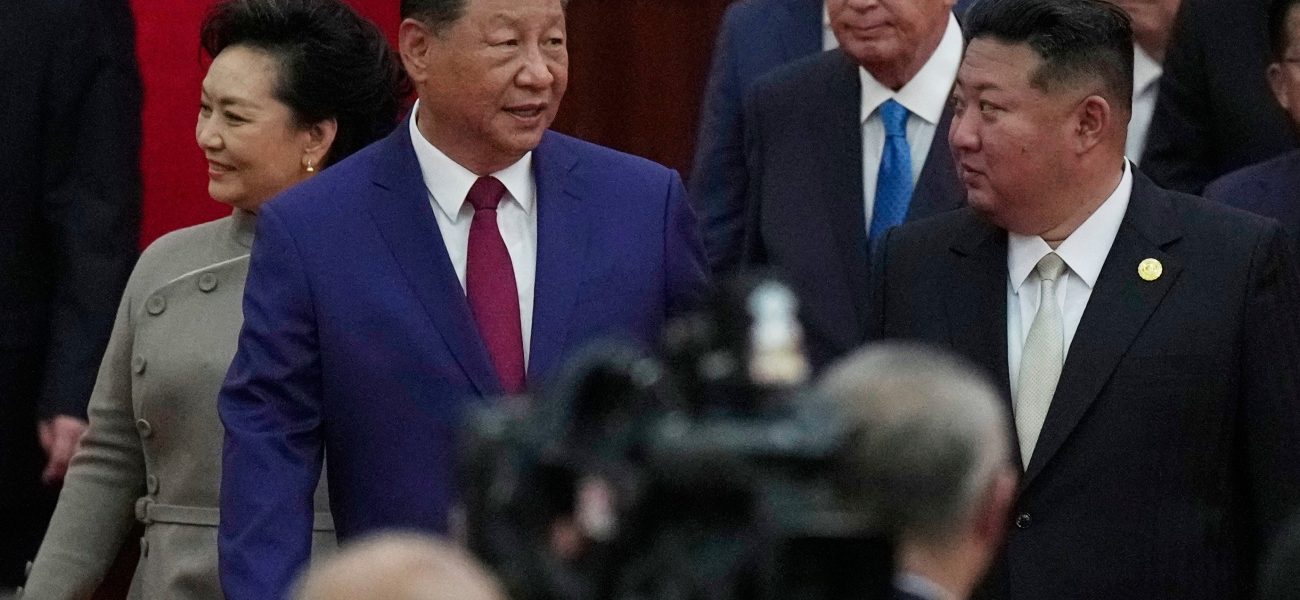
POLICY WIRE — Pyongyang, Democratic Peoples Republic of Korea — Forget the fireworks, the grand parades. When Chinas paramount leader Xi Jinping dropped into Pyongyang, it wasnt for spectacle. It was a strategic maneuver—a quietly orchestrated affair designed less for headline grabbing and more for subtle, enduring geopolitical engineering.
It was a brief stop, barely two days on the ground, yet its implications ripple far beyond the immediate Sino-Korean alliance. You see, the US is still grappling with Russias continuing conflict in Ukraine, the ongoing tumult in the Middle East, and their own domestic political headaches. And, right in the thick of it, Washington often pushes for Beijing to rein in its unruly neighbor. This visit signals Beijing has its own playbook, doesnt it? Xi and North Koreas Kim Jong Un werent just exchanging pleasantries—they were reinforcing a boundary, one that helps shore up both their positions against a world often eager to paint them into a corner.
But lets be honest. Its not some sudden blossoming bromance. The timing—just weeks before critical international discussions that China cares deeply about—speaks volumes. Beijing wants to ensure a measure of predictability on the peninsula, minimizing any potential for the kind of flare-ups that draw unwelcome international attention, especially from an already wary White House. Chinas interest in a stable North Korea, regardless of what the country does, youve got to admit, makes pragmatic sense given its massive, porous border. A collapsing neighbor would create a humanitarian catastrophe Chinas economic engine cant afford to inherit.
This trip—only Xis second, remember, in his entire time as supreme leader—marks a deliberate recalibration. Its less about endorsing Kim Jong Uns bombastic missile antics and more about reasserting Chinas indispensable role as the region¹s elder statesman, the one whos still got a hotline to Pyongyang when nobody else really does. We arent talking about ideological comrades hip anymore, not really. Its cold, hard strategy. The Korean Central News Agency, usually so vocal, published a rather terse report about the visit, simply stating both leaders reaffirmed their friendship. They added a commitment to further developing their traditional friendly — and cooperative ties [QUOTE_PLACEHOLDER]. One suspects the full contents of their discussions were far less anodyne.
The financial lifeline Beijing throws to Pyongyang is hardly insignificant, though quantifying it’s always a guessing game. Still, estimates from agencies like the Council on Foreign Relations peg China as accounting for more than 90 percent of North Koreas external trade. Thats not just influence; that’s economic dependence. This economic lever lets Beijing exert a quiet, continuous pressure—a far cry from the aggressive condemnations often emanating from Western capitals. And because Chinas been in this game for a long, long time, it understands that bluster often hides deep anxieties within isolated regimes.
📄 POLICY WIRE WHITEPAPER PUBLISHED: PAKISTAN'S NATIONAL SECURITY POLICY PRIORITIES
👉 READ BY CLICKING HEREThis isnt some naive goodwill mission. Chinas got its own skin in the game. Look at the Strait of Taiwan. Look at the South China Sea. Beijing cant afford instability on its northeastern flank. The visit likely touched upon these wider geopolitical currents. Its a delicate dance, isnt it? Keep Kim happy enough not to go totally rogue, but not so empowered he becomes an even bigger liability. That’s, admittedly, easier said than done. But Chinas always been the chess player, calculating moves far in advance, looking to keep Washington on its toes without overtly antagonizing them.
And whats this mean for, say, Pakistan or other South Asian nations that have their own intricate relationships with both China and the West? Well, this maneuver from Beijing serves as a kind of masterclass in strategic ambiguity. Countries like Pakistan—which consistently balances its relationships with both China and the US, all while navigating its own complex regional dynamics—can observe Chinas approach here: prioritize national stability above rhetorical purity, engage even unpopular partners when it suits broader strategic aims. It’s a nuanced playbook. The Muslim world, grappling with issues of sovereignty and external influence, certainly watches Beijing’s steady, unyielding pursuit of its interests, even when it involves managing problematic allies, for any applicable lessons in realpolitik.
What This Means
The visits primary implication is clear: Beijing is keen to preempt any major North Korean provocations that might empower US efforts to tighten its grip on regional security architecture. The looming G20 summit and other multilateral forums are where China expects to face increased scrutiny over its foreign policy. A tranquil, if tightly controlled, Korean Peninsula removes a key talking point for Washington. Economically, while it reinforces Pyongyangs reliance on Beijing, it doesnt signal a major expansion of trade, given global sanctions. Politically, its about sending a message to Washington—and the world—that Beijing calls some of its own shots, thank you very much. The idea that Washington alone can dictate terms in East Asia is an antiquated notion, isnt it? This wasnt just Xi visiting Kim; it was China subtly drawing a line in the sand, redefining its regional prerogatives without firing a single missile or issuing a bellicose threat.