


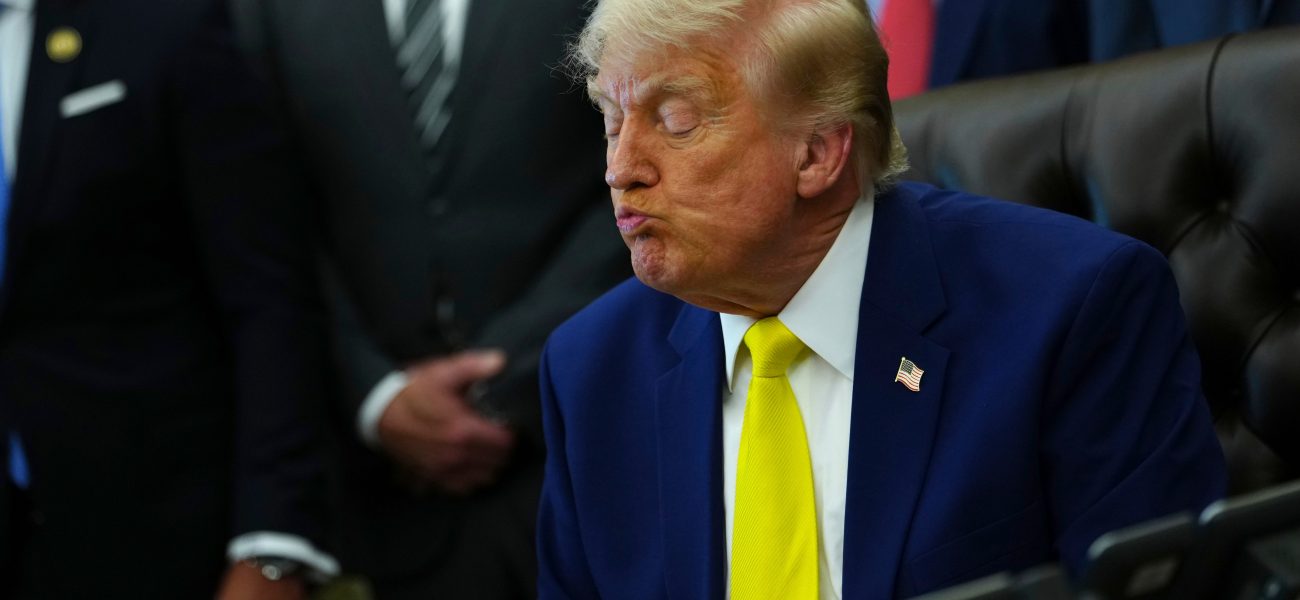
Europe’s Unease: When US Strategic Whims Leave Soldiers — And Budgets — Hanging
POLICY WIRE — Washington, D.C. — For Specialist Anya Sharma, stationed outside Stuttgart, the geopolitical grand chess match felt less like strategy and more like a series of eviction notices. She’d...

POLICY WIRE — Washington, D.C. — For Specialist Anya Sharma, stationed outside Stuttgart, the geopolitical grand chess match felt less like strategy and more like a series of eviction notices. She’d spent three years cultivating a community, enrolling her kids in local schools, even getting pretty good at ordering coffee in German. Then, almost overnight, her family—and tens of thousands like them—found themselves squarely in the path of a policy pendulum swing, one that sent tremors far beyond the Rhine.
It wasn’t just the troops uprooted from their established lives, their future deployments suddenly nebulous. It was also the money—and we’re talking about substantial sums here. Military brass, bless their hearts, aren’t shy about the bottom line, even when they’re talking about colossal bureaucratic headaches. They’ll tell you quite plainly that previous administration’s decisions to reconfigure American military posture in Europe had financial consequences akin to throwing millions into a bonfire.
Moving a single soldier, much less an entire brigade — and their families, ain’t cheap. It’s an astronomical undertaking. One analysis by the Congressional Research Service, for instance, put the average cost to relocate a single military family, including housing and travel, upwards of $40,000. Now multiply that by tens of thousands, and you start seeing the truly eye-watering figures involved—we’re talking about initial estimates pushing into the hundreds of millions for proposed shifts. But the fiscal bleed wasn’t confined to movement logistics. There’s the maintenance of facilities rendered unnecessary, the scramble to find new bases or upgrade existing ones, and the inevitable cost of contractual obligations simply nullified. It’s a mess.
But the real price wasn’t just tallied in spreadsheets; it showed up on the faces of people like Sharma, their lives in an unwelcome holding pattern. Officials have often painted a picture of widespread confusion among service members and their spouses, unsure whether they were coming or going, whether their kids would finish the school year in the same country they started it. And the constant shifts created genuine personnel challenges, stretching resources and personnel thin at the worst possible times. It’s hard to keep up morale when every morning feels like a game of musical chairs.
Across the diplomatic circuit, America’s long-standing allies were, shall we say, less than thrilled. Many in Brussels, Berlin, and Paris watched with a kind of resigned horror as decades of careful alliance-building appeared to be casually unraveling. Their worry wasn’t just about the troop numbers, mind you, but about the reliability. Was America still the steady hand? Was its word truly its bond? These aren’t minor queries. These are foundational questions for geopolitical stability. It didn’t just affect Europe; countries like Pakistan, perpetually navigating a volatile neighborhood and often reliant on the broader perception of Western commitment, don’t exactly see such unpredictable strategic vacillations as a confidence booster. Quite the opposite, in fact. They watch these plays unfold with an unnerving interest, contemplating what these policy earthquakes might mean for their own strategic alignment, their relationships with rivals like India, or their engagements with the likes of China. It’s a whole domino effect.
And what about those decisions, those reversals, that seemingly materialized from the ether? The general understanding among the chattering classes here in the Beltway was that these directives often lacked the careful, painstaking analysis usually accompanying such monumental military realignments. They didn’t feel like the output of careful strategic review, but rather [QUOTE_PLACEHOLDER]. It left career diplomats — and generals alike scratching their heads, or at least that’s the public perception. You’ve gotta wonder, who’s making these calls, — and on what basis? The silence was, and still is, deafening on specifics.
📄 POLICY WIRE WHITEPAPER PUBLISHED: PAKISTAN'S NATIONAL SECURITY POLICY PRIORITIES
👉 READ BY CLICKING HEREWe’re talking about commitments forged in the fires of World War II — and through the chill of the Cold War. The United States has had boots on the ground in Germany for — what, almost eighty years? That’s not a temporary deployment; it’s an institution. And changing that, even partially, demands a coherent, thoroughly vetted strategy, not merely an off-the-cuff declaration. But, well, here we’re. Policy on a whim often comes with a steep price, both financially — and in terms of international trust.
What This Means
The strategic turbulence surrounding Trump-era troop deployments wasn’t merely a fleeting bureaucratic hiccup; it was a deeply consequential disruption that continues to reverberate. Economically, these capricious policy shifts acted like a siphon on the Pentagon’s budget, diverting hundreds of millions that could’ve funded other pressing defense priorities—or, dare I say, infrastructure projects back home. It was money spent not on enhancing capabilities, but on correcting for decisions seemingly made with little regard for the logistics, or for the individuals whose lives they impacted. And it’s not like Uncle Sam has an endless piggy bank, right?
Politically, the damage to alliance solidarity was arguably even more significant. European partners were left questioning America’s steadfastness, fostering an environment where some began to consider their own self-reliance more seriously. For nations in volatile regions, such as those in South Asia—like Pakistan, as mentioned earlier—it reinforced anxieties about Washington’s long-term commitments. When a major power displays such internal policy schizophrenia, it complicates everything, making allies hesitant to rely too heavily and adversaries eager to exploit any perceived cracks. It’s an expensive lesson in how the perception of American stability, or lack thereof, ripples globally. You can’t just move pieces on a chessboard without considering the board itself might tilt, threatening pieces elsewhere. It makes any grand strategy—even one about global competition or counterterrorism—a much harder sell. Or a more confusing one, anyway. It’s not a healthy precedent for future US administrations trying to rebuild global trust. Trust, after all, once lost, isn’t easily recovered. Sometimes it’s never recovered. That’s a heavy thought for the strategists — and the ordinary soldiers alike. Check out our previous thoughts on geopolitical tensions and their global impacts for more perspective.