


New Mexico’s Childcare Crunch: Bureaucracy Gets an Override in the Quest for Daycare
POLICY WIRE — ALBUQUERQUE, N.M. — The scent of brewing hops mingled with whispers of legislative change last Saturday in a sun-drenched microbrewery, an unlikely venue for what might be New Mexico’s...

POLICY WIRE — ALBUQUERQUE, N.M. — The scent of brewing hops mingled with whispers of legislative change last Saturday in a sun-drenched microbrewery, an unlikely venue for what might be New Mexico’s quiet revolution in family economics. Working parents here—and let’s be honest, often it’s working mothers—have been staring down an empty calendar for ages. But a recent shift in state policy, cutting through some local zoning red tape, offers a gulp of hope for a sector that’s been stretched thin as a desert highway.
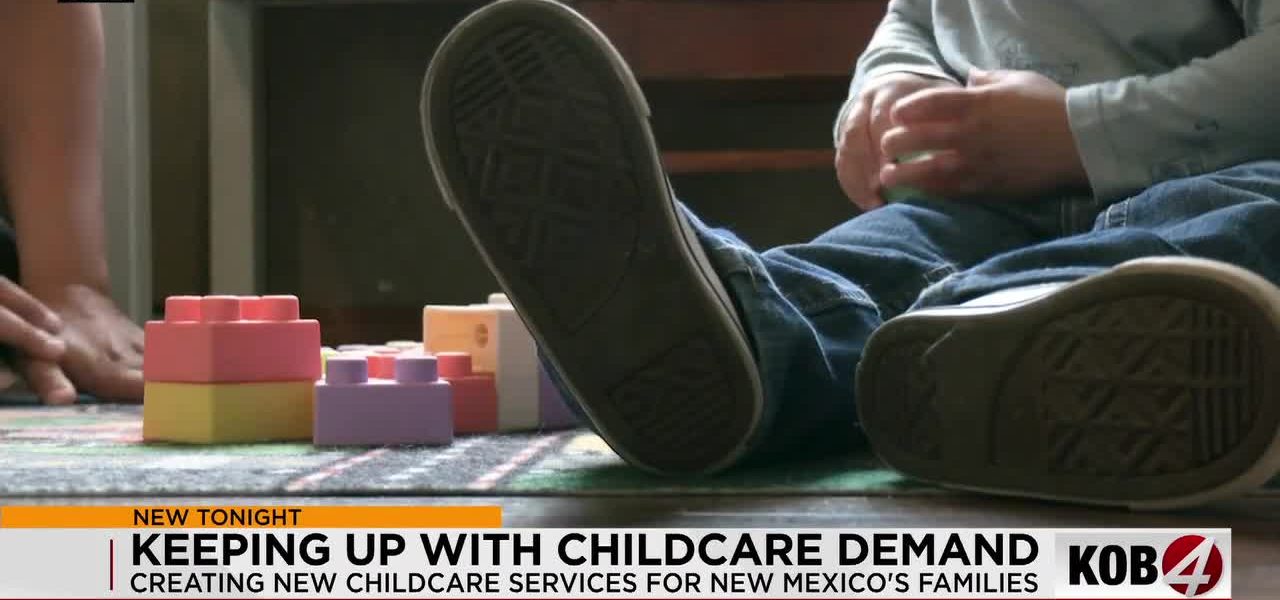
It isn’t glamorous, this business of caring for tiny humans. It’s hard work, demanding work, — and for too long, it’s been a logistical nightmare for folks trying to make ends meet. Universal free child care, launched just last November, was a godsend on one front. But it didn’t conjure providers out of thin air. In fact, while nearly 300 new faces have popped up in the care ecosystem since then, the state still needs roughly 12,000 more childcare spots, according to recent state agency estimates. That’s a staggering gap—a yawning chasm for anyone attempting to re-enter the workforce, especially after a pandemic that forced millions of women out of it.
Kate Noble, who heads up Growing Up New Mexico, found herself articulating this complex problem amidst the clinking of glasses. “Look, this isn’t just about babysitting. Not by a long shot,” she told the small crowd, leaning into the microphone, a serious expression belying the casual setting. “This policy, this simplification of bureaucracy, it’s literally about empowering families to thrive. It’s about freeing up a parent—often a mom—to take that job, get that promotion, or finish that degree. And that’s a direct shot in the arm for our entire economy.” She’s right; you can’t have a booming economy if half the potential workforce is stuck at home, unpaid, doing the state’s most important (and least valued) work.
This whole universal care thing? New Mexico didn’t just walk; it practically sprinted into it, becoming the first state in the nation to throw down such a comprehensive challenge to the childcare crisis. But even pioneers hit bumps. Lots of families, especially outside the glinting lights of Albuquerque or Santa Fe, live in what are effectively ‘child care deserts.’ There simply aren’t enough spots, formal or otherwise. Zoning rules—those often-quaint, sometimes-pernicious regulations dictating what you can (or can’t) do in your own backyard—have long been a silent killer of budding in-home daycare operations.
Enter state lawmakers. They passed a bill earlier this year, effective July 1st, that basically tells those restrictive zoning requirements for in-home providers to take a long walk off a short pier. But it’s not just a legislative flick of the wrist. It’s a recognition that grand, centralized solutions don’t always trickle down effectively to the dusty corners of a sprawling state. It’s got a particular resonance for those tucked away from city centers.
Senator Heather Berghmans, a Democrat from New Mexico, spelled it out plainly. “Trying to set up a brand-new, purpose-built childcare center in, say, Roswell or Raton? Good luck, honey. It’s an exercise in permit-chasing, capital-raising futility for most small entrepreneurs,” Berghmans quipped recently during a committee hearing, her dry tone cutting through legislative jargon. “But letting someone convert a spare room, follow safety regs, — and serve a handful of neighborhood kids? That’s not just practical; it’s a community lifeline for places that desperately need their kids looked after while parents bring home the bacon.”
📄 POLICY WIRE WHITEPAPER PUBLISHED: PAKISTAN'S NATIONAL SECURITY POLICY PRIORITIES
👉 READ BY CLICKING HEREAnd she’s got a point. Many regions across the globe, from the sun-baked plains of Punjab to the bustling markets of Lahore, still rely heavily on extended family and informal networks for childcare—a pragmatic response to economic realities that formal systems often fail to meet. While New Mexico’s policy isn’t recreating that ancient familial web, it is bending rules to enable a more flexible, localized, and arguably more human-scaled approach, bypassing the sometimes-daunting overhead of commercial facilities. It’s a modern American adaptation of an old, essential truth: parents need support, and communities thrive when children are well-cared for.
Growing Up New Mexico isn’t resting on legislative laurels. They’re taking this message on the road, barnstorming across the state, working to convince more folks that opening an in-home daycare isn’t just possible, but now, a bit easier. Because even with all the state’s good intentions and money, if there isn’t a warm, safe spot for a child when their parents are at work, all those policy dreams remain just that—dreams.
What This Means
This isn’t just some administrative tweak; it’s a political gambit — and an economic necessity rolled into one. Politically, Governor Lujan Grisham’s administration is positioning itself as family-friendly, particularly for the working class, potentially securing a potent voting bloc for future elections. The move also sidesteps the long, expensive, — and often bureaucratic process of building new, large-scale centers. By empowering individuals to offer care from their homes, the state is trying to crowd-source a solution to a problem that’s plagued economies far and wide. It’s smart. It’s decentralized. But it also raises questions about oversight—who’s making sure these in-home setups are top-notch without overly burdening new providers?
Economically, this could be a real game-changer. Think of the knock-on effects: more parents, particularly mothers, returning to or entering the labor force means higher household incomes, increased tax revenues, and a broader consumer base. It means local businesses, perhaps struggling to find employees, might finally get a boost. The ripple effect, if successful, could reshape parts of New Mexico’s economic landscape. For communities often left behind, like those in rural New Mexico, this localized approach could actually help stem the outflow of young families and talent. It also sets an interesting precedent nationally—could other states facing similar challenges look to New Mexico’s flexible, somewhat unconventional, path? It’s not quite the same kind of high-stakes gamble on urban development seen elsewhere, but it’s a bet on the power of the smallest economic unit: the family, and their ability to work. But don’t expect this to solve everything; deep-seated societal issues, like those debated in discussions about women’s roles in broader society, are always lingering.