


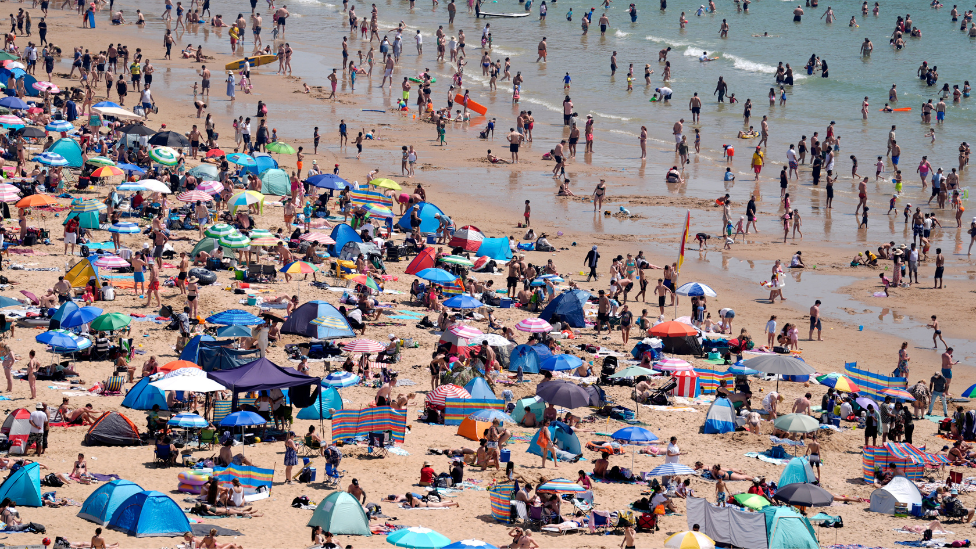
The Scrimmage of Pennies: Resort Towns Bet on Tourist Tax for an Endless Summer
POLICY WIRE — Brighton, UK — Forget the predictable groan about another August Bank Holiday washout or the inevitable post-Labor Day ghost town vibe. Because local councils, it seems, are...

POLICY WIRE — Brighton, UK — Forget the predictable groan about another August Bank Holiday washout or the inevitable post-Labor Day ghost town vibe. Because local councils, it seems, are increasingly looking beyond mere weather patterns for financial stability, dreaming instead of perpetually buzzing promenades and year-round economic heft. They’re pinning their hopes—and arguably, their next budget—on what many see as the brass ring of resort sustainability: a modest tourist tax.
It’s a move that’s been debated endlessly, a sort of financial siren song for locales caught in the feast-or-famine rhythm of seasonal visitors. But what started as chatter among town planners after one too many bleak off-seasons is fast congealing into serious policy proposals across the continent. Councils, battered by austerity and eager to keep their streetlights on (and maybe even a few new attractions sparkling), aren’t just thinking about filling coffers. They’re talking ‘transformation,’ a grand metamorphosis from sleepy seaside village to dynamic 365-day destination. That’s a bold claim for a few extra quid on a hotel bill, don’t you think?
This isn’t just about topping up municipal funds, though that’s certainly part of the appeal. It’s about vision. About creating what proponents frequently term a [QUOTE_PLACEHOLDER] for these sun-starved (or often, rain-drenched) economies. The idea’s simple enough: a small levy on overnight stays, meant to fund improvements that lure visitors even when the main attractions (like the sun) are in hibernation. Things like indoor cultural venues, upgraded infrastructure, or perhaps even—and this is key for sustainability—more robust local transport to shuttle visitors around a broader array of experiences beyond the traditional beach and arcade. It’s an investment, they say, in an ‘always-on’ tourism model. But, honestly, most travelers aren’t lining up to fund civic expansion projects in their holiday spots.
Opponents, predictably, aren’t so convinced. Hoteliers fret about competitiveness, especially when a mere handful of pounds might push a budget-conscious family holiday over the brink. It’s a common refrain: will visitors simply choose a neighboring, tax-free town? Because let’s be real, a quick Google search reveals the prices difference in microseconds now. This isn’t the good old days of travel agents dictating choices; today’s tourists are digital natives with price comparison sites at their fingertips. The British Hospitality Association (BHA), for example, maintains that any additional tax could [QUOTE_PLACEHOLDER] rather than stimulating it, making already tight margins even thinner for accommodation providers. They estimate a decrease of 0.5% in international visits for every 1% increase in tourism costs.
The push for such taxes, though, often comes from a place of necessity. Many resort areas struggle mightily to diversify their economies beyond summer crowds — and fish and chip shops. The seasonal peaks are intense, leading to short-term, often low-wage employment, followed by prolonged troughs that hollow out communities. A stable, year-round revenue stream could theoretically support better-paying jobs, more comprehensive training programs, and infrastructure that serves locals and tourists alike, improving overall quality of life—or so the theory goes. But theories — and real-world cash registers sometimes tell different stories. It’s tough getting someone to spend another tenner on a holiday when they’ve already budgeted down to the last penny for souvenirs.
And it’s not a uniquely Western problem, mind you. Think about the bustling markets of Lahore or the coastal allure of Karachi, places that, despite their inherent charm, wrestle with infrastructure deficits and the challenge of turning transient visits into sustained economic engines. While they don’t face the ‘summer-or-nothing’ dilemma in the same way, the pursuit of diversified revenue streams to buttress cultural heritage and urban development echoes across vast geographies. Pakistani tourism bodies, for instance, have debated similar charges at heritage sites, understanding that a nominal fee can safeguard history while also building better amenities for both locals and travelers from Faisalabad to Frankfurt. They know a few rupees collected thoughtfully can fund vital restoration projects, just as a few pounds might secure a new indoor aquatic center in Scarborough.
📄 POLICY WIRE WHITEPAPER PUBLISHED: PAKISTAN'S NATIONAL SECURITY POLICY PRIORITIES
👉 READ BY CLICKING HEREBut implementing these charges isn’t always smooth sailing. Barcelona’s tourist tax, lauded as a success by some, faced initial resistance and years of tweaks before it became accepted. Bali recently introduced a 150,000 Indonesian Rupiah (about $10 USD) tourist levy specifically to fund environmental and cultural preservation, acknowledging the strain of mass tourism. Its initial collection efforts weren’t seamless, but the principle remained: direct tourist contribution to sustainable upkeep. And you’ve gotta admire the audacity. They’re basically saying, ‘Hey, you love our paradise? Help us keep it that way.’
What This Means
This nascent surge in interest around local tourist taxes isn’t just about filling budget gaps; it reflects a broader policy recalibration towards local self-sufficiency. Governments at the regional level, often feeling increasingly cut off from central funding lifelines, are forced to be more entrepreneurial. Economically, this could mean more stable local economies in tourist-heavy zones, potentially leading to better public services and infrastructure that benefits permanent residents as much as it does vacationers. But there’s a clear risk here: pushing too hard could deter visitors and undermine the very industry councils aim to support.
Politically, the introduction of a tourist tax can be a minefield. It’s an easy target for opposition parties or local business groups claiming it will [QUOTE_PLACEHOLDER] local businesses. The careful balancing act involves robust public relations campaigns, transparent allocation of funds, and—frankly—getting lucky with how the public reacts. From an international perspective, it represents a global trend of cities and regions attempting to gain greater control over the financial implications of their tourism sector. It forces a fundamental re-evaluation of tourism’s purpose beyond simple visitation: is it an industry to be solely consumed, or one that must contribute actively to the communities it impacts? That’s the billion-dollar question these towns are betting on, hoping a few pennies will buy them a whole new future. And often, these discussions occur without any real, deep dialogue from the tourism industry players themselves.
It’s not just a debate over pounds — and pence; it’s about reshaping the very identity of these places. It’s about a resort no longer simply existing for half the year, a mere memory the other half. It’s a bold bid to say: [QUOTE_PLACEHOLDER]. It’s a grand strategy—and probably an audacious gamble—to maintain relevance in good times and bad.