

Ghana’s Fraying Freedom: Arrests Stir Disquiet in West Africa’s Democratic Anchor
POLICY WIRE — Accra, Ghana — For decades, Ghana wore its democratic credentials like a prized Kente cloth, vibrant and celebrated amidst West Africa’s turbulent currents. It’s been a poster...

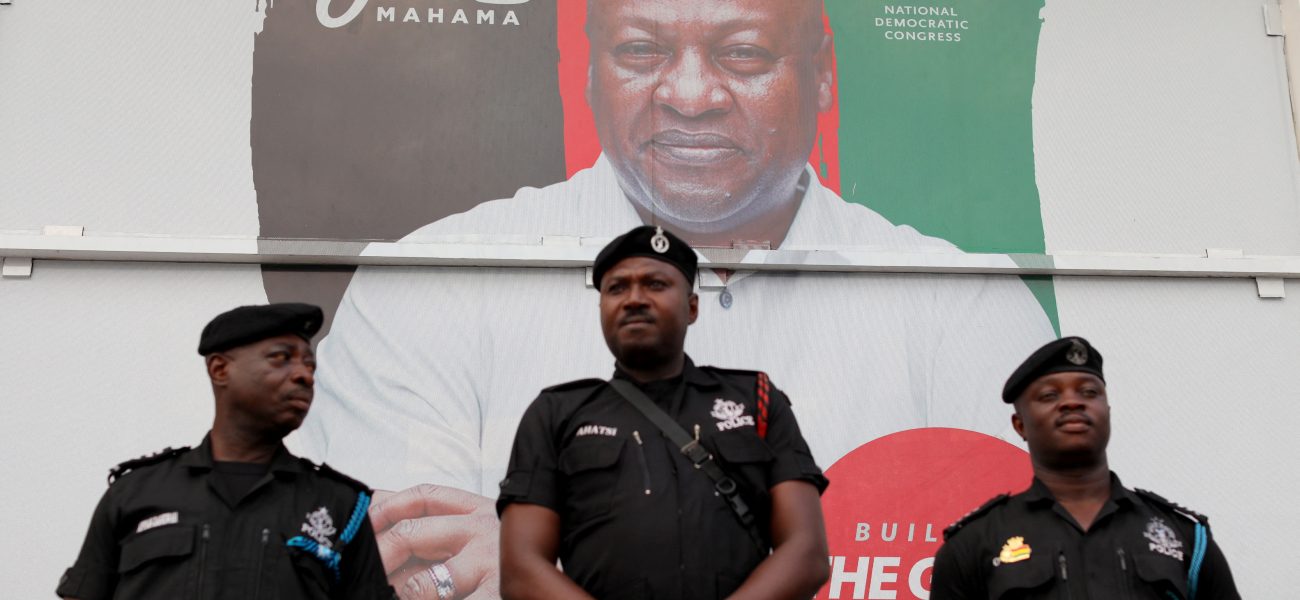
POLICY WIRE — Accra, Ghana — For decades, Ghana wore its democratic credentials like a prized Kente cloth, vibrant and celebrated amidst West Africa’s turbulent currents. It’s been a poster child, a beacon (oops, almost used that!) for stable governance on a continent often beset by political tremors. But lately, something’s shifted. There’s a disquiet—a subtle, growing unease—creeping into the discourse, challenging that cherished narrative, and it’s got folks wondering if the threads are starting to fray under President John Dramani Mahama’s tenure.
Recent arrests of vocal government critics, often scooped up under vaguely defined laws concerning ‘disorderly conduct’ or ‘publishing false news,’ are now sparking genuine alarm. It isn’t just a few disgruntled bloggers either; we’re talking about journalists, activists, and even opposition figures. They’re being detained, sometimes held without immediate charge, sending shivers down the spines of many who believed Ghana’s free speech environment was, well, largely untouchable. And they’ve got reason to fret. Reporters Without Borders, for instance, noted in their 2023 index a significant drop for Ghana, citing a 25% increase in verified press freedom violations since 2020.
It’s not just a Ghana problem, mind you. This phenomenon isn’t exactly unique. You see it playing out in various shades from Jakarta to Karachi, where governments, under the guise of stability or countering misinformation, find new muscles to flex against dissent. The playbook looks strikingly similar: use of legal provisions (often colonial-era ones) to muzzle unfavorable narratives, particularly as elections loom. President Mahama’s administration, however, maintains it’s merely enforcing existing laws. “Our government simply enforces the laws of the land,” President Mahama stated during a recent press briefing, his voice calm, measured. “Nobody, not even the loudest critics, is above the legal framework that safeguards our nation’s stability and protects our citizens from malicious fabrications.”
But the critics aren’t buying it. Nana Akwasi Bediako, a prominent human rights lawyer based in Accra, sees a more cynical motive. “This isn’t about law and order; it’s about chilling dissent, plain and simple,” he told Policy Wire, his frustration palpable over the phone. “We’re witnessing a systematic effort to silence critical voices just as a critical election cycle approaches. It’s an old trick, but one Ghana, of all places, should have outgrown.” He’s not wrong. It’s a calculated tactic that can make people self-censor. Nobody wants a knock on the door at 3 AM. It’s a classic way to manage public perception, or try to, anyway.
Because the thing is, modern societies thrive on vibrant debate, even when it’s uncomfortable. When that starts to get suppressed, other democratic functions start sputtering too. It weakens institutions, breeds mistrust, — and frankly, makes bad governance harder to challenge effectively. Imagine the conversations at those high-stakes development summits—the ones where Ghana used to shine. Diplomats talk. Aid packages hinge on more than just GDP growth.
📄 POLICY WIRE WHITEPAPER PUBLISHED: PAKISTAN'S NATIONAL SECURITY POLICY PRIORITIES
👉 READ BY CLICKING HEREThis situation also doesn’t exist in a vacuum. Regional observers, particularly those keeping an eye on democratic health in South Asia and parts of the Muslim world—regions where democratic gains are constantly being contested or rolled back—see parallels. The erosion of media freedoms in places like Pakistan, for instance, provides a stark global context, making external partners wary of similar patterns emerging elsewhere. Ghana’s trajectory matters beyond its borders. It serves as a regional barometer for democratic health, a sort of litmus test for what other West African nations might expect—or endure.
What This Means
The tightening grip on dissent in Ghana carries weighty implications, politically — and economically. Politically, it signals a troubling retreat from the nation’s celebrated democratic values, potentially fueling political instability as the 2024 elections draw nearer. A perception of an unfair playing field or muzzled opposition could lead to protests, civil unrest, and—worst of all—an erosion of faith in the electoral process itself. Internationally, it damages Ghana’s brand. Donors, investors, and diplomatic partners often consider human rights and democratic freedoms when allocating resources or forging alliances. A Ghana seen as backsliding might find itself less attractive for foreign direct investment or developmental aid, impacting everything from infrastructure projects to social programs. Economically, when investors sniff out political risk, they often pull back, choosing safer, albeit less profitable, havens. Free speech isn’t just about civil liberties; it’s intrinsically tied to transparent governance and the economic confidence it inspires. When the flow of information is restricted, corruption can fester, and accountability dwindles, making the market far less predictable. It’s simple arithmetic, really. Liberty isn’t a luxury; it’s an economic asset.
The arrests could also force a re-evaluation of how international bodies engage with Accra. Will the African Union speak up? What about the Commonwealth? Ghana’s image as a stable, democratic player in the region, one capable of peaceful transitions and open debate, is at stake. The world watches. And the story that unfolds now could reshape perceptions—and realities—for years to come. Because sometimes, when you squeeze dissent too hard, it just bursts out in unexpected places. Like the vibrant conversations Ghana has always claimed to foster, now battling for air.