


Lottery Fever and the Lingering Echoes of Economic Desperation
POLICY WIRE — Washington, D.C. — The American dream, once built on hard work and incremental success, increasingly wears a sequined, gaudy uniform—the lottery ticket. And that, friends, is precisely...

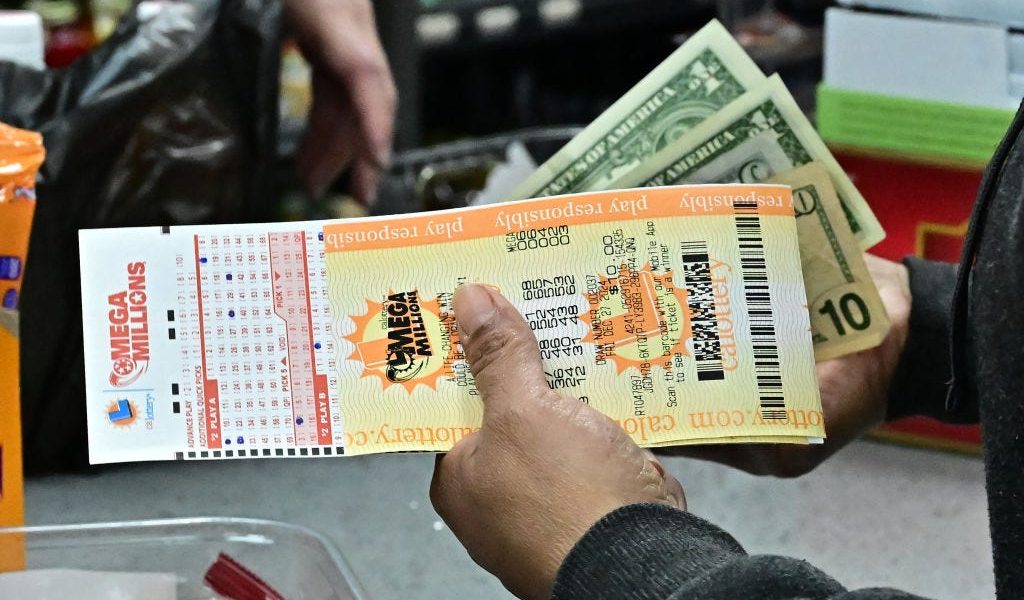
POLICY WIRE — Washington, D.C. — The American dream, once built on hard work and incremental success, increasingly wears a sequined, gaudy uniform—the lottery ticket. And that, friends, is precisely the unsettling thing. Because when a jackpot crests like the $368 million Mega Millions prize announced just yesterday (June 5), it isn’t just about winning. It’s about a collective gasp for air, a nationwide whisper of maybe, just maybe, that exposes far more than anyone wants to admit about a system buckling under its own weight.
It’s a peculiar national ritual, isn’t it? Millions pony up their hard-earned dollars, feeding a governmental cash cow that simultaneously dangles the tantalizing bait of instant, unimaginable wealth. This isn’t a new phenomenon, naturally, but it feels different now. More urgent. It’s got that jittery energy of someone betting their last tenner on a long shot, because what else is there, really? [QUOTE_PLACEHOLDER]
The numbers—the actual ones drawn—are a mere footnote to the main event. It’s the prospect itself, the sheer possibility that permeates conversations, coffee breaks, — and online forums. Folks aren’t just playing; they’re buying a fantasy, an immediate out from rent hikes, medical bills, or simply the gnawing feeling of running on a hamster wheel that seems to speed up annually.
Consider, for a moment, the juxtaposition: here in the world’s supposed economic engine, a significant portion of the population is collectively funneling billions into a game of chance, hoping against astronomical odds for deliverance. This isn’t speculative investment; it’s desperate optimism. You don’t see this kind of widespread, almost spiritual devotion to a pure luck game in robust, equitable economies. It’s often a tell, a social fever breaking the surface.
And yet, this reliance on lottery revenue, often earmarked for education or other state programs, paints a rather cynical picture. States depend on this self-imposed tax on hope, especially from those segments of society arguably most in need of genuine economic opportunity rather than a lottery ticket. It’s an efficient, if morally ambiguous, fundraising mechanism. The average American spends approximately $86 on lottery tickets annually, according to LottoReport.com figures—a figure that probably tickles state treasurers but might give a development economist a bit of a shiver.
Across the globe, in places like Pakistan, you see a different, albeit related, dance with desperation — and aspiration. Where lotteries might be less pervasive due to cultural or religious sensibilities, the quest for quick economic relief manifests in other ways—from aggressive investment in speculative digital currencies to the enduring phenomenon of hawala transfers, where overseas earnings are pooled and sent home to uplift entire families, essentially a lottery for collective survival. It’s all about navigating scarcity, just with different instruments of perceived deliverance.
📄 POLICY WIRE WHITEPAPER PUBLISHED: PAKISTAN'S NATIONAL SECURITY POLICY PRIORITIES
👉 READ BY CLICKING HEREBut it’s not just the money; it’s the cultural psychology of it. We’ve got more billionaires than ever, alongside escalating poverty rates. It’s this wild, almost absurd gap that fuels the lottery fire. One side boasts unfathomable wealth, the other dreams of merely paying off debt. It’s a national Rorschach test, — and it screams disequilibrium.
You can’t blame individuals for chasing the dream—they’re reacting to a system that feels increasingly rigged, especially when real economic mobility seems to be more mythical than mundane. So, they shell out a few bucks for a ticket, hoping for that golden number, for the ‘winning numbers for June 5’ to change their lives forever. Because, let’s be honest, for many, it’s about the only path they can envision for breaking free from the grind. They’ve heard enough about climbing the ladder, — and it’s worn out their boots.
What This Means
This recurrent lottery craze isn’t merely a headline-grabber; it’s a political bellwether. The continued expansion of state-sponsored lotteries, even with significant jackpots, indicates a deep-seated acceptance of leveraging public aspirations for government revenue, implicitly acknowledging—perhaps even encouraging—the ‘Hail Mary’ economic strategy for its citizens. It implies a lack of bolder, systemic solutions for economic mobility. For political operatives, the appeal of a booming lottery means easier funding for pet projects without directly raising taxes, a politically safer, though ethically complex, maneuver.
Economically, it funnels substantial capital from lower- and middle-income brackets into government coffers, often from communities that can least afford to gamble. This revenue stream, while substantial, doesn’t address the underlying issues of wealth disparity or income stagnation; it rather distracts from them. And in a global context, nations observing the West might find this lottery phenomenon to be both a bizarre spectacle of wealth and a stark indicator of internal economic strain—a cautionary tale for economies trying to build genuinely robust, equitable systems. It’s a pretty flimsy foundation, betting on sheer dumb luck. Maybe we should look closer at why so many are buying in.