


Bernalillo County Bets on Correctional Health Veteran for Top Medical Post Amid Systemic Woes
POLICY WIRE — ALBUQUERQUE, N.M. — The silent hum of medical crises in the shadows of institutional walls — in jails, in detention centers, where populations are often forgotten — that’s the starting...

POLICY WIRE — ALBUQUERQUE, N.M. — The silent hum of medical crises in the shadows of institutional walls — in jails, in detention centers, where populations are often forgotten — that’s the starting line. It’s a reality many public health systems globally grapple with, from New Mexico’s sun-baked landscapes to the dense, often beleaguered facilities across South Asia. In this challenging landscape, Bernalillo County has just done something rather telling. They’ve gone ahead and tapped a medical veteran with a gritty resume steeped in exactly that kind of work to be their very first chief medical officer.
It’s not just a promotion, see. This isn’t your garden-variety municipal hire. Bernalillo County appointed its first ever chief medical officer as they look to strengthen health care leadership across their systems. That’s a quote from the original announcement. And what a task that’s. [QUOTE_PLACEHOLDER]
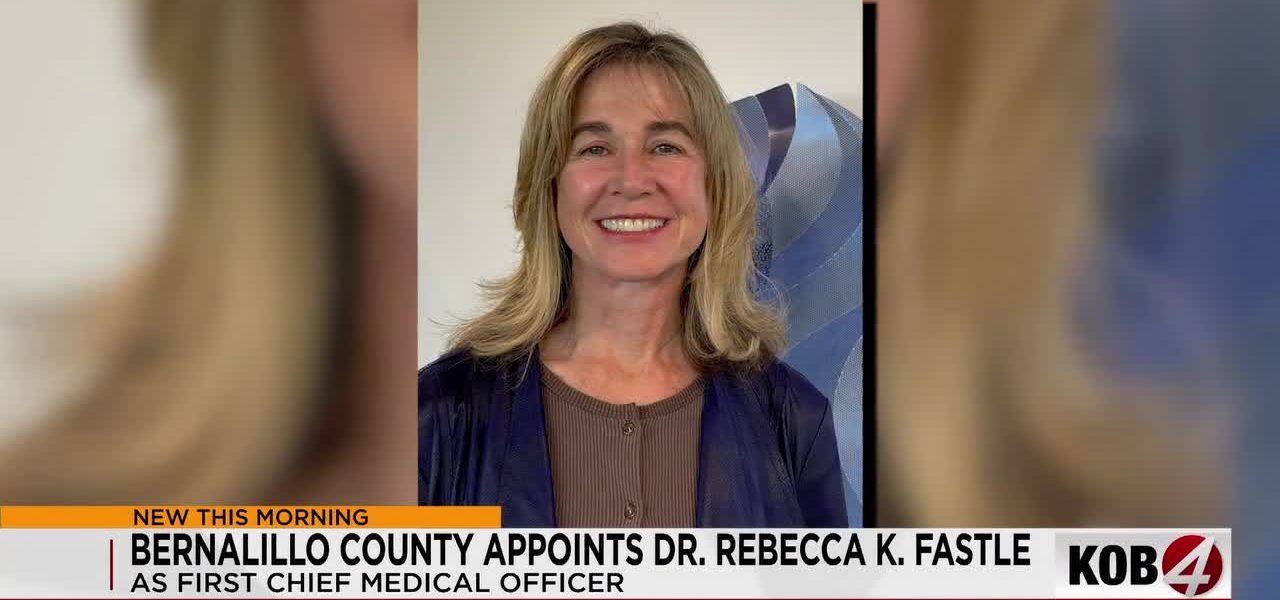
The individual at the heart of this unexpected, yet pointed, move is Dr. Rebecca K. Fastle. Don’t let the ‘Doctor’ title fool you into thinking she’s fresh from a sterile clinic. Nope. She brings more than two decades of clinical experience, along with a deep dive into public-sector system transformation, executive hospital leadership, and — crucially — experience in correctional health care. That last bit? It’s huge. Massive. Because that’s where the real rubber meets the road for county services, where neglect can, and does, turn into outright catastrophe.
She’s a local, too. Earned her Doctor of Medicine right there from the University of New Mexico. She’s a board-certified doctor for pediatrics — and pediatric emergency medicine. Pretty serious credentials, eh? But what makes her particularly suited for Bernalillo’s messy, complicated health ecosystem isn’t just the alphabet soup of certifications. It’s her time in the trenches. Fastle served as the associate chief medical officer for special projects at UNM Hospital. But, critically, she also served as a physician leader within the Metropolitan Detention Center Health Authority. You read that right. Metropolitan Detention Center. And she’s a certified correctional health care provider to boot. This isn’t some armchair quarterback appointment.
Her role, we’re told, means she’ll be dishing out leadership and consultation for areas such as the Bernalillo County jail and the Youth Services Center. Started her new gig on June 1. That’s where the rubber will truly hit the road. Think about it: a physician leading the charge in environments notoriously opaque — and often overlooked.
For context, consider that incarceration rates globally, including in places like Pakistan, present unique and often dire public health challenges. Overcrowding, poor sanitation, and limited access to care mean that diseases like tuberculosis and hepatitis often flourish, posing not just internal threats but also broader community health risks upon release. The United Nations Office on Drugs and Crime (UNODC) reported in 2021 that prison populations globally are often disproportionately affected by communicable diseases, with HIV prevalence in prisons often being 2 to 10 times higher than in the general population. While the specific numbers might vary for Bernalillo County’s facilities, the underlying issues of containment and contagion are universal. It’s a sobering thought, but one Dr. Fastle’s background suggests she understands intimately. That’s why Tehran’s bluff or bad hand, or Minnesota’s high-stakes gamble on health talent, resonate globally.
📄 POLICY WIRE WHITEPAPER PUBLISHED: PAKISTAN'S NATIONAL SECURITY POLICY PRIORITIES
👉 READ BY CLICKING HEREWhat This Means
This appointment? It’s not just a feel-good story. Not by a long shot. It’s Bernalillo County putting its chips on specialized expertise to tackle deeply ingrained, structurally challenging problems. Politically, it signals a recognition, finally, that healthcare for the incarcerated and detained youth isn’t an afterthought but an integral part of the county’s public health mandate. They’ve decided to put their money where their mouth is, rather than just pay lip service to systemic reform.
Economically, better healthcare in detention centers can actually be a cost-saver in the long run. Chronic conditions, mental health crises, and infectious disease outbreaks — left untreated — spiral into far more expensive emergency interventions, legal challenges, and higher recidivism rates. It’s an investment, albeit one with a grim backdrop. And it sends a strong message to both inmates and correctional staff: the county takes your well-being, or lack thereof, seriously enough to dedicate a high-level position to it.
It’s also an implicit admission that the existing system, whatever it was before Fastle, probably wasn’t cutting it. It rarely does in these specific environments, let’s be honest. And sometimes, you need someone who understands the very unique pressures, the tight budgets, the privacy concerns, and the inherent vulnerability of these populations to really make a dent. Dr. Fastle isn’t just a leader; she’s an architect for navigating a complex web of ethical dilemmas and practical hurdles, all under the harsh, unforgiving spotlight of public accountability. Her appointment is, without hyperbole, a high-stakes play in Bernalillo’s continuous, often frustrating, pursuit of equitable public services.