


The Diamond’s Geopolitics: Ole Miss, Auburn, and the Business of Bragging Rights
POLICY WIRE — Washington, D.C. — For the casual observer, a box score from a National Collegiate Athletic Association baseball championship might just represent the final tally of an afternoon’s...

POLICY WIRE — Washington, D.C. — For the casual observer, a box score from a National Collegiate Athletic Association baseball championship might just represent the final tally of an afternoon’s sporting diversion. Pitches, hits, runs, errors—simple metrics, right? But to understand the true impact, the sheer gravitas behind institutions like Ole Miss and Auburn clashing on the diamond, one must look beyond the green expanse. What seems like mere sport is, in fact, a deeply entrenched economic and cultural battle, a miniature proxy war played out not with missiles, but with carefully cultivated athletic talent and alumni dollars. And let me tell ya, the stakes are always higher than the score sheet suggests.
It’s a high-octane blend of regional pride — and big business, all under the thinly veiled guise of amateur athletics. You’ve got entire state economies buzzing, boosters writing checks that could fund small municipalities, and local narratives tied tighter than a drum to the success or failure of these collegiate programs. You might see a shortstop’s batting average; I see a recruitment tool, a potential brand ambassador, an investment whose ROI is calculated in fan engagement and subsequent donation upticks. The whole operation is, frankly, pretty fascinating—and expensive. [QUOTE_PLACEHOLDER]
So, when you see headlines scream Ole Miss vs. Auburn baseball box score: Live stats from NCAA Baseball Championship Game, remember that it’s less about the game and more about what the game represents. These aren’t just student-athletes, bless ’em. They’re often commodities in a sprawling enterprise, their triumphs and struggles scrutinized with a fervor that would make many a politician blush. The Auburn Tigers baseball team is two wins away from a trip to Omaha. And honestly, for a lot of folks in Alabama, that means an economic shot in the arm as much as bragging rights.
They’ve got to get through SEC foe the Ole Miss Rebels, naturally. This isn’t just about a win; it’s about validating the investment. Think of the intense geopolitical rivalries in South Asia, perhaps the cricket showdowns between Pakistan — and India. It’s not just a match; it’s an extension of national identity, a contest for psychological advantage. Similarly, these college sports aren’t just pastimes; they’re cultural touchstones, defining elements of regional identity that galvanize communities and funnel immense wealth into their respective institutions.
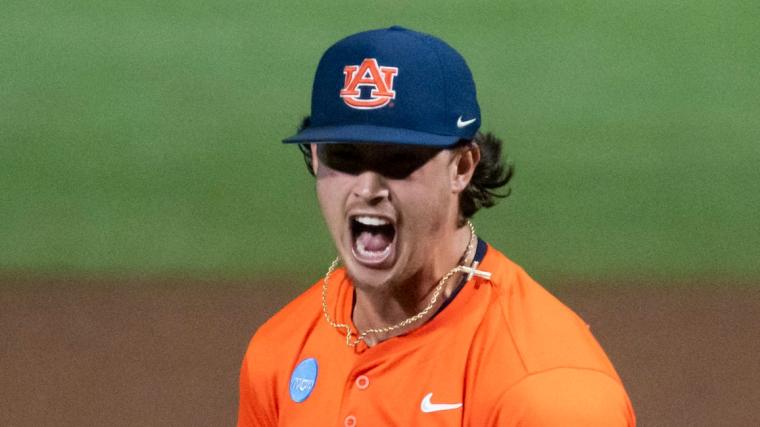
Consider the raw data. Andreas Alvarez, a pitcher for the Auburn Tigers, clocks in with an earned run average (ERA) of 3.8. That number isn’t just a pitching statistic; it’s a component of his market value, his draft stock, his potential for future endorsements, and his overall utility in drawing revenue for his institution. For coaches and athletic directors, these numbers aren’t just academic; they’re the language of risk assessment, investment potential, and sustained economic viability. That ERA, courtesy of The Sporting News, informs decisions with millions on the line.
The Rebels, who recently went 3-0 in the Lincoln regional, including two wins over Arizona State (both, tellingly, in extra innings), were clearly feeling the pressure of reputation. You see, the deeper you go in these tournaments, the more exposure the schools get, the more potent their marketing becomes. It’s a cyclical beast, fueling itself on wins — and perceived excellence. And that, dear reader, isn’t lost on any development officer or university president in the Gulf South.
📄 POLICY WIRE WHITEPAPER PUBLISHED: PAKISTAN'S NATIONAL SECURITY POLICY PRIORITIES
👉 READ BY CLICKING HEREBut because these narratives get so intensely local, so bound up in regional pride, we sometimes miss the forest for the trees. The mechanisms are actually quite similar across borders. From the funding models of state universities that funnel resources into their athletic departments, to the zealous support of a fan base in Karachi for its national team, the undercurrent of identity and belonging remains remarkably consistent. The 8 p.m. ET coverage on ESPN2 isn’t just a broadcast; it’s a global stage for these microcosmic contests, reflecting a larger human tendency to attach grander significance to group competitions.
In Pakistan, for instance, a successful national cricket campaign can galvanize political unity, even temporarily deflecting attention from economic hardship. Similarly, a deep run in the NCAA playoffs can mask internal institutional problems or distract from policy debates, unifying disparate alumni groups under a single banner of collective athletic triumph. It’s an effective, if often unintended, political tool, plain — and simple.
What This Means
This match-up, far from being just a game, operates as a potent microcosm of regional economic competition and social capital investment in the American South. The massive budgets, sophisticated scouting networks, and multi-million-dollar coaching salaries reflect a serious economic footprint. A victory for Ole Miss, for instance, translates into increased applications, boosted alumni donations (always key, those checks!), and enhanced marketing reach that extends far beyond college sports pages. Think about how success translates into state — and federal funding lobbying power down the line. It’s all connected. The universities aren’t just selling education; they’re selling an experience, a lifestyle, a belonging—and successful sports teams are a crucial part of that package.
the fierce rivalries themselves represent cultural markers. These contests reinforce regional identities and narratives, drawing hard lines in an otherwise fluid national landscape. In a polarized era, collegiate sports offers a rare communal outlet, even if that communal feeling is rooted in intense competition against one’s immediate neighbors. This social cohesion, however temporary, possesses its own political value, providing local leadership with common ground to rally around, perhaps glossing over less appealing policy debates in the process. It’s PR, sure, but effective PR with tangible returns, not just for the athletic department but for the broader institutional brand. And who doesn’t like good PR?