

The €150 Million Shadow: Global Capital’s Grip on Madrid’s Royal Game
POLICY WIRE — Madrid, Spain — Another summer, another king’s ransom whispered across European football’s opulent landscape. It’s not about statecraft or geopolitical maneuvering this time—not...

POLICY WIRE — Madrid, Spain — Another summer, another king’s ransom whispered across European football’s opulent landscape. It’s not about statecraft or geopolitical maneuvering this time—not directly, anyway—but the pursuit of a single footballer, an athletic commodity valued at a dizzying €150 million. One has to wonder: in a world grappling with uneven development and persistent economic anxieties, just what does such a figure truly represent?
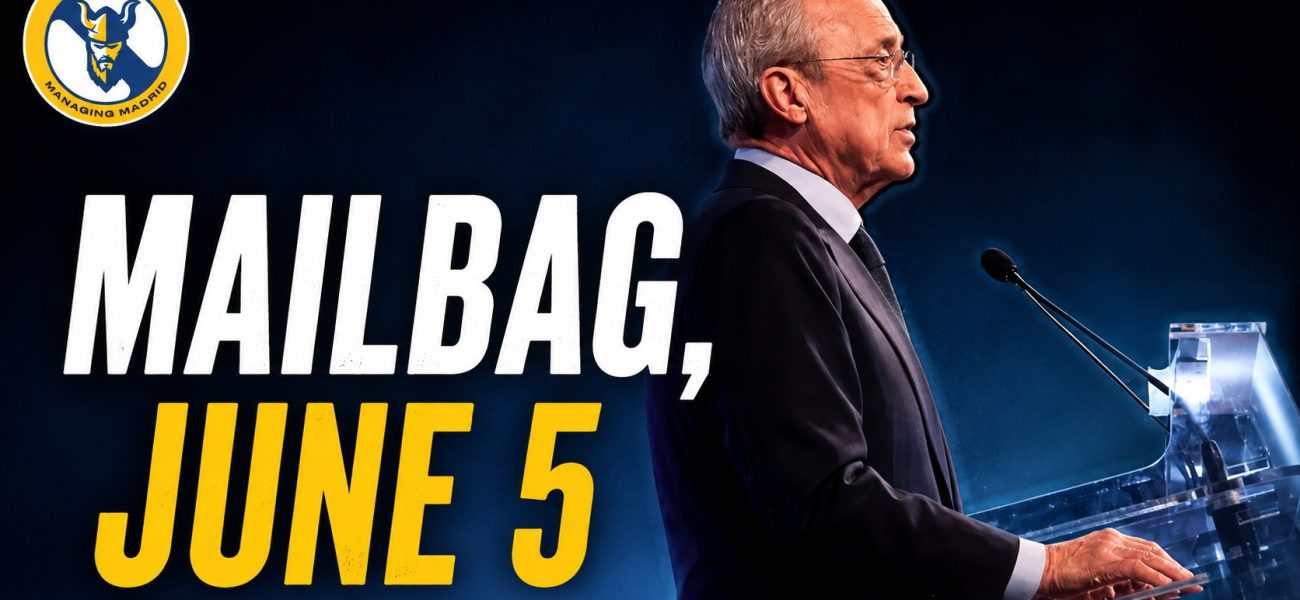
It’s a price tag that far exceeds the annual health budgets of numerous smaller nations, yet it’s treated as a mere opening bid in the relentless global bazaar that’s elite sports. This week, as fans across the globe tuned into the cacophony of speculation surrounding Real Madrid’s transfer market machinations, veteran commentators Kiyan Sobhani and Lucas Navarrete dove headfirst into the monetary maelstrom. [QUOTE_PLACEHOLDER]
The duo’s candid discussion, exclusively for Members of a particular podcast, wasn’t just about tactical formations or goal-scoring prowess. No, it quickly peeled back layers, touching upon the uncomfortable economic underbelly of modern football. They deliberated on the inquiry: Who is Florentino Perez’s 150m offer for? It’s not just a query about a name; it’s an interrogation of capital flow itself, a look into the kind of power one man or one club wields in the market.
Because, let’s be honest, few organizations outside state-owned enterprises or sovereign wealth funds can casually toss around sums like that. According to Deloitte’s Football Money League, Real Madrid generated an income of €831.4 million in the 2022/23 season, making them the highest-earning football club in the world. But that gargantuan revenue is a two-edged sword, attracting both adoration — and scrutiny.
The podcast hosts wrestled with complex questions—like Will PSG / Bayern sell?—which aren’t simple managerial decisions; they’re reflections of deep pockets and economic strategies, often influenced by petro-states or national branding ambitions. They assessed if particular prospects, like Olise, were a good tactical fit, but in the stratosphere of €150 million transfers, ‘fit’ often bends to financial expediency and star power over pure sporting synergy.
And then there’s the inconvenient necessity of shedding ballast: Which players will be sold? These aren’t just roster adjustments; they’re human assets, traded, devalued, or offloaded to balance the books, a harsh reality glossed over by the glamour of incoming talent. It’s a ruthless game, even for those not on the pitch.
📄 POLICY WIRE WHITEPAPER PUBLISHED: PAKISTAN'S NATIONAL SECURITY POLICY PRIORITIES
👉 READ BY CLICKING HEREEven the club’s infrastructure wasn’t spared. The debate swirled around the perceived legitimacy of complaints, probing: Is it fair to blame Florentino for the stadium renovations / pitch issues? When billions are in play, even the grass underfoot becomes a political statement, a symbol of stewardship (or misstewardship) of vast communal assets.
Football’s magnetic pull isn’t confined to European stadia. Across South Asia and the broader Muslim world, particularly in nations like Pakistan, European football leagues command immense viewership. The colossal sums exchanged for players and broadcast rights — a phenomenon detailed sometimes in articles like Pakistan’s Strategic Reality in a Hostile Region when considering national investments — speak volumes about the global reach of these sporting empires. Millions in Karachi or Lahore spend sleepless nights following El Clásico, yet the economic models that drive these leagues rarely offer reciprocal investment beyond cultural consumption. They simply absorb attention, diverting it from, perhaps, more local or regional concerns. It’s a passive engagement that underscores a particular economic hierarchy.
What This Means
This endless churn of €150 million rumors isn’t just football chat; it’s a proxy war fought with balance sheets and endorsements. The astronomical sums reflect the hyper-globalized, financially engineered state of elite sports, where clubs aren’t just teams but multinational entertainment corporations, often leveraging considerable geopolitical influence (or being leveraged by it). They’re operating on a scale that makes nation-states look quaint, often bypassing traditional economic cycles through innovative, sometimes opaque, funding mechanisms.
The debate around player valuations and stadium maintenance— mundane topics on the surface—becomes a microcosm for larger societal debates on wealth distribution, national identity, and the commercialization of cultural touchstones. Who *does* benefit from these massive expenditures? Beyond the instant gratification of a new star, the economic ripple effects are usually contained within a tiny, rarefied ecosystem of agents, super-clubs, and sponsors. It certainly doesn’t trickle down to, say, local infrastructure projects in remote regions. The ongoing monetization of collective passion, a process highlighted by discussions like that in the Managing Madrid Podcast, showcases how private capital can shape public emotion and loyalty on a staggering international scale. And what a ride it’s.