


Chromed Resilience: Albuquerque’s Youth Craft a Counter-Narrative with Lowrider Art
POLICY WIRE — Albuquerque, New Mexico — It wasn’t a flashy press conference unveiling some new tech initiative or a groundbreaking economic forecast that quietly shifted the narrative in New Mexico’s...

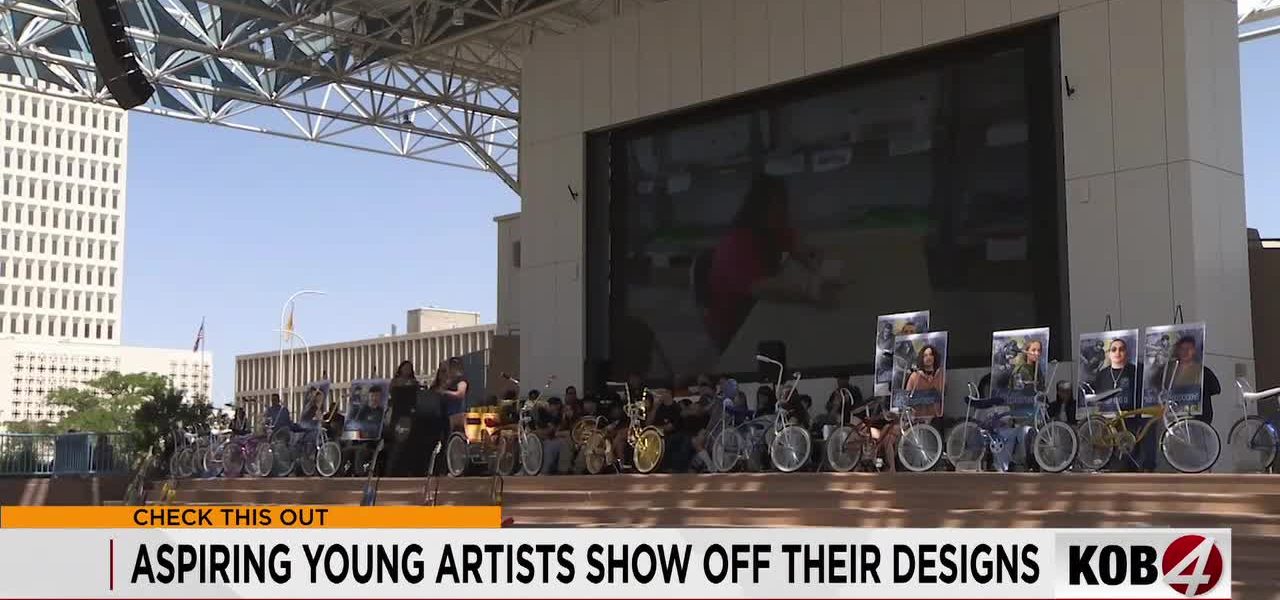
POLICY WIRE — Albuquerque, New Mexico — It wasn’t a flashy press conference unveiling some new tech initiative or a groundbreaking economic forecast that quietly shifted the narrative in New Mexico’s largest city. Nope. Instead, it was the gleam of polished chrome — and the rumble of perfectly tuned bicycle chains. Just days ago, Albuquerque quietly celebrated more than 65 local students who hadn’t discovered a cure for cancer but had, arguably, accomplished something just as profound: they built custom lowrider bikes, guitars, and skateboards.
It sounds almost absurd, doesn’t it? A city department, specifically the Department of Youth — and Family Services, funneling resources into… art on wheels. But the true story isn’t about the shiny objects. It’s about what happens when marginalized youth find a legitimate, respected avenue for expressing identity, learning craft, and connecting with a living culture that’s deeply ingrained in this region. This isn’t just about fun; it’s about social alchemy, turning idle hands into skilled ones, and quiet frustration into demonstrable pride.
For months, these young artisans—students drawn from diverse backgrounds—spent their after-school hours and weekends hunched over frames, meticulously sanding, painting, and assembling. Their mentors? The stalwarts of Albuquerque’s storied lowrider community, local artists whose hands carry generations of tradition, and, perhaps most surprisingly, law enforcement partners. It’s an unusual triad, a testament to the program’s pragmatic understanding that community engagement often thrives in unexpected alliances.
“These aren’t just bikes and boards; they’re blueprints for futures, meticulously crafted by young hands finding purpose,” said Mayor Tim Keller, a visible supporter at the Civic Center Plaza ceremony, his voice imbued with genuine appreciation. “We’re investing in identity, in pride, in the very fabric of our community’s future. It’s a subtle strength that compounds over time.”
And that compounding effect is measurable. Research compiled by the Office of Juvenile Justice and Delinquency Prevention, for instance, has repeatedly shown that consistent participation in structured, pro-social youth programs can reduce involvement in delinquent behavior by as much as 40 percent. That’s not a soft number; it’s hard data. What began as a pilot program with just ten students has ballooned, demonstrating an undeniable, almost voracious appetite among young people for this kind of creative, hands-on engagement. They’ve gone from asking, ‘What do I do?’ to asserting, ‘Look what I did.’
“It’s easy to dismiss lowrider culture, but ignore it at our peril,” observed State Representative Andrea Romero, a proponent of arts and education funding, during the awards. “It’s a vibrant, living history, and seeing our youth engage with it—to build with such discipline and passion—that’s how we keep communities resilient, not just in New Mexico but anywhere young people struggle for identity, be it here or halfway across the globe. You can’t put a price on that feeling of accomplishment, of belonging.”
📄 POLICY WIRE WHITEPAPER PUBLISHED: PAKISTAN'S NATIONAL SECURITY POLICY PRIORITIES
👉 READ BY CLICKING HEREThat observation, in fact, isn’t lost on observers who’ve watched youth movements across the globe. The profound human need for cultural expression and a sense of belonging isn’t exclusive to the barrios of the Southwest. Think of youth in Pakistan, for example, grappling with evolving national identity, global influences, and regional complexities. The way indigenous crafts and community-driven arts — whether pottery in Multan or vibrant truck art — provide a grounding, a connection to heritage that gives a counterweight to other narratives. It’s that deep-seated pride in a uniquely personalized expression that transcends borders, speaks to the soul, and frankly, makes you feel like you belong.
Organizers are now scrambling, trying to figure out how to expand. They’ve got their sights set on a larger facility, dreaming big because the demand isn’t just steady, it’s escalating. The program’s success doesn’t just show how to reduce youth crime; it shows how to cultivate human potential, how to take the raw materials of metal, wood, and restless energy, and turn them into something beautiful, purposeful, and, dare I say, policy-relevant.
What This Means
This Albuquerque initiative, superficially a story about customized contraptions, carries far heavier political and economic implications than its humble presentation suggests. For one, it offers a tangible, low-cost (relatively speaking) model for youth engagement in an era when many cities grapple with soaring rates of juvenile delinquency and disengagement. Instead of expensive, top-down bureaucratic interventions, this program leverages existing community capital: the cultural knowledge of lowriders and the practical skills of local artists. Economically, this investment isn’t merely social welfare; it’s an early-stage workforce development play, nurturing mechanical skills, design aesthetics, project management, and, perhaps most crucially, persistence. The city’s investment here creates a virtuous cycle. Engaged youth are less likely to burden social services or the justice system, and more likely to contribute productively to the local economy later. But beyond mere economics, it strengthens the social fabric, rebuilding trust between often-antagonistic groups, particularly between law enforcement and urban youth. It’s a grassroots diplomacy of sorts, proving that shared cultural passion can, in fact, pave roads where policy pronouncements often hit dead ends. Because when kids build bikes together, they build connections too, and that’s an infrastructure investment that truly lasts.