

Putin’s Sober Assessment: Russian Economy Hits Brakes Amid Geopolitical Pivot
POLICY WIRE — St. Petersburg, Russia — The polished rhetoric, the strategic handshakes, the grand pronouncements of a resilient future—they all seemed a touch more muted this year. You know, just a...

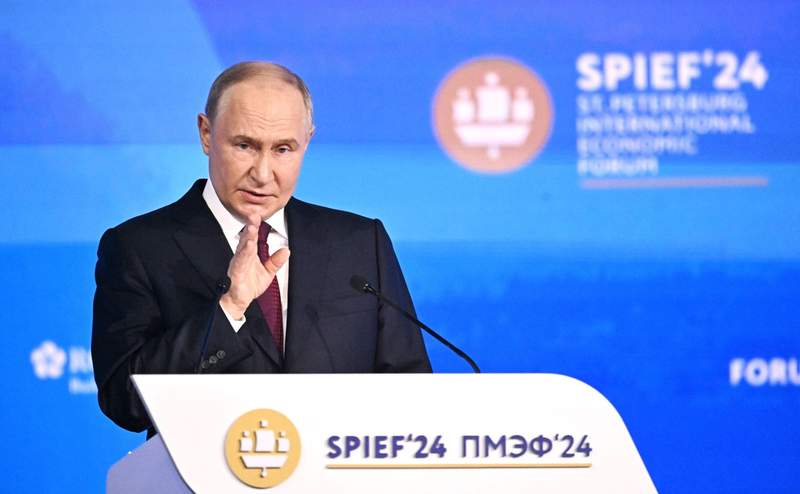
POLICY WIRE — St. Petersburg, Russia — The polished rhetoric, the strategic handshakes, the grand pronouncements of a resilient future—they all seemed a touch more muted this year. You know, just a tad. It wasn’t the usual swagger you expect from a state forum where everything’s supposed to be on an upward trajectory. This time, even the most dedicated Kremlin watchers sensed a different tune playing, a slightly less triumphant beat thrumming through the grand halls of the St. Petersburg International Economic Forum.
It’s here, amidst the champagne flutes and power-suited delegates, that President Vladimir Putin offered a notably subdued take on the nation’s financial trajectory. He, in what could be read as a candid admission (for him, anyway), reportedly conceded that [QUOTE_PLACEHOLDER]. Not quite a ringing endorsement of an economy bursting at the seams, was it?
For years, Russia’s economic narrative, particularly in its internal messaging, has focused on robust resistance to Western sanctions and a steady march toward self-sufficiency. But this isn’t some backroom chat with an oil baron; it’s a globally televised address. To say it out loud, in such a setting, points to a reality that simply couldn’t be spun away, not entirely. It suggests the Kremlin is prepping its own populace, — and its allies, for a less comfortable fiscal ride ahead. We’ve seen this movie before, haven’t we? Powerful nations acknowledging bumps in the road, typically when those bumps are too big to ignore. The game has changed; you can practically taste it.
And let’s be real, a slowing economy isn’t a minor headache; it’s a fundamental drag on a country’s ability to project power, maintain social stability, and fund its more… ambitious foreign policy endeavors. Moscow isn’t just battling Kyiv; it’s battling its own bottom line. The International Monetary Fund (IMF), for example, projects Russia’s real GDP growth will decelerate significantly to 1.1% in 2025, down from 2.6% in 2024. That’s a serious dip, — and it certainly backs up the presidential remarks.
So, what’s a nation like Russia to do when its traditional European markets are largely off-limits and its growth engine is sputtering? It pivots. Hard. It looks East, it looks South. This isn’t just about finding new customers for oil and gas—though that’s certainly a big part of it. It’s about constructing an alternative economic order, one that bypasses Western-dominated financial institutions and trade routes. Russia isn’t just making new friends; it’s desperately trying to make new strategic partners, partners who might just hold the keys to its future financial viability.
Consider Pakistan. Or India. Both have become major importers of discounted Russian oil, often brokered through complex financial arrangements that sidestep sanctions. It’s not just energy, though. Russia is actively pursuing stronger trade and defense ties with various South Asian and Muslim-majority nations, seeing them as counterweights to Western pressure. These aren’t just transactional relationships; they’re the building blocks of a new geopolitical bloc, however loose it may be. Remember when everyone was talking about the Asian chessboard? Russia’s very much a player now, not just an observer.
📄 POLICY WIRE WHITEPAPER PUBLISHED: PAKISTAN'S NATIONAL SECURITY POLICY PRIORITIES
👉 READ BY CLICKING HEREBecause ultimately, these emerging economies offer more than just markets; they offer a degree of political legitimacy to Moscow’s increasingly isolated regime. It’s a calculated bet: if you can’t join ’em, you create your own club. This economic reorientation isn’t some polite handshake; it’s a frantic, often opportunistic, reshuffling of global alliances.
What This Means
President Putin’s acknowledgment of Russia’s economic slowdown isn’t just an exercise in candor; it’s a strategic maneuver designed to manage expectations while simultaneously signaling to new and potential partners the ongoing recalibration of Russia’s global economic posture. For Islamabad and other capitals in South Asia and the wider Muslim world, this translates into continued opportunities for advantageous trade deals—particularly in energy and defense—but also presents long-term geopolitical entanglements.
The implicit message to nations wary of Western dominance is clear: Moscow’s door remains open, sanctions be damned. It also means increased competition for traditional Western powers in these regions. The scramble for resources and influence is intensifying, and countries like Pakistan find themselves in an increasingly complex and potentially rewarding position, navigating between traditional allegiances and new, often tempting, proposals from the East. There’s real money flowing, — and real power changing hands, as the global energy and trade maps are drawn again. It’s a delicate balance, — and there isn’t any room for mistakes. And every slight shift in Russia’s economic footing sends ripples across these markets. You just know it does. Delhi’s mineral quest, for instance, isn’t happening in a vacuum.