

Knoxville’s Cagey Comeback: Why Lawless’s 2027 Return Signals Deeper Fault Lines
POLICY WIRE — Washington, D.C. — In a landscape where collegiate athletic careers flicker with the lifespan of a political promise—brief, intense, and often, fleeting—the reappearance of a familiar...

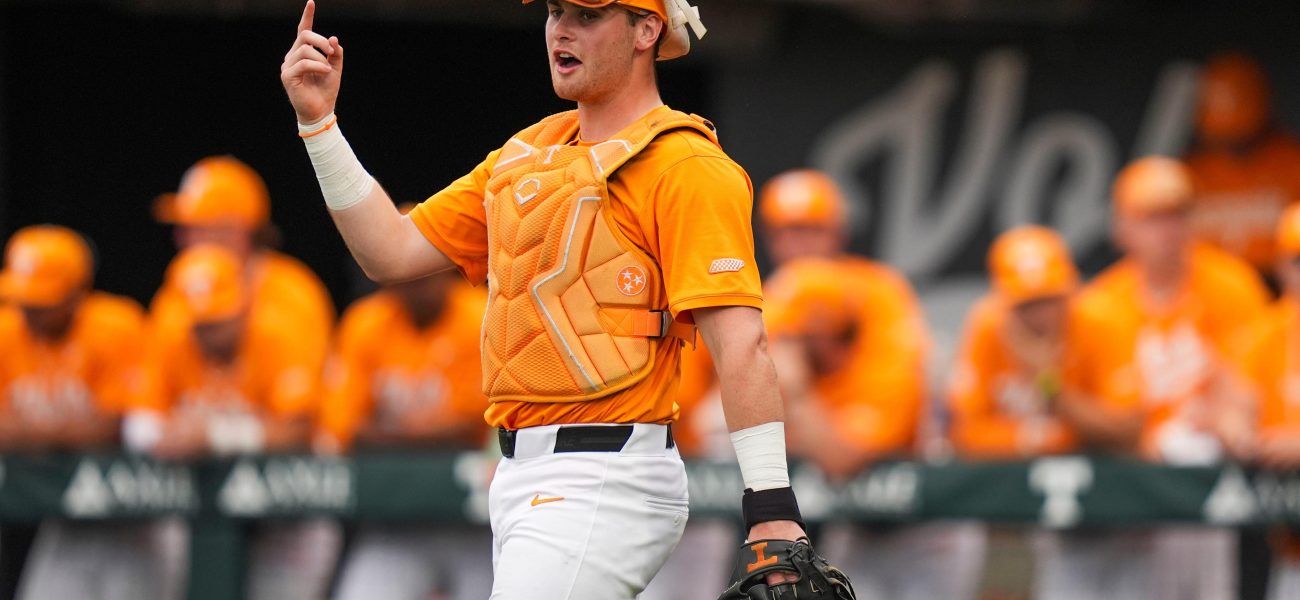
POLICY WIRE — Washington, D.C. — In a landscape where collegiate athletic careers flicker with the lifespan of a political promise—brief, intense, and often, fleeting—the reappearance of a familiar name offers a peculiar kind of reassurance. Stone Lawless, catcher for the Tennessee Volunteers baseball program, has decided to extend his tenure through 2027. It’s a continuity many a struggling nation-state would envy, especially after what onlookers described as one of the worst overall seasons on the mound in a long time in Knoxville. But Lawless’s commitment isn’t merely about an extra year of college baseball; it’s a tiny, gleaming cog in the much larger, messier machine of institutional resilience, both on the diamond and across continents.
His return, formally announced through reports like that from Mike Wilson of VolQuest, brings a measure of perceived stability. Per Wilson, [QUOTE_PLACEHOLDER] Lawless is returning to the program for 2027 as well. This, coupled with pitchers Cam Appenzeller and Landon Mack, both projected top candidates to bolster the weekend rotation, provides a rare exhale for a fan base that’s known its share of heartache. It’s not unlike the fragile hope pinned on veteran leadership returning to the legislative benches of, say, Pakistan’s parliament—a stabilizing force in turbulent times, however temporary it may prove to be.
And what a peculiar journey it’s been for the man behind the plate. Last season wasn’t without its dramatic flourishes—a testament to the often-brutal demands of the game. Lawless, the very embodiment of dedication to a craft, had to step away mid-season, having taken a pitch off the face this year at Vanderbilt in late March. That particular episode sidelined him for three weeks with a facial fracture, a reminder that even the most carefully calibrated careers can be derailed by the sudden, unforgiving velocity of an incoming fastball. He did, to his credit, manage to return in Tennessee’s series against Ole Miss in mid-April. That kind of comeback, after absorbing such a literal blow, speaks to a psychological fortitude that’s rarer than one might imagine.
But back he’s. And, just as the populace holds leaders to account, so too does the scorebook meticulously detail a player’s fluctuations. Lawless’s personal statistics tell a story of ambition meeting a bumpy reality. He appeared in 40 games this year for Tennessee with 34 starts, logging seven home runs — and 19 RBIs. His batting average for the season stood at .236. Now, for the astute observer, those numbers, while not disastrous, hint at a performer wrestling with the game’s more arcane demons. His slugging percentage dipped considerably from 2025 to 2026, from a robust .644 down to a less impressive .467. His on-base percentage followed suit, receding from .468 to .366. There were fewer RBIs too, despite playing 12 fewer games. A season isn’t just about showing up, it’s about performing under duress.
This decline in key metrics isn’t a mere statistical curiosity; it’s a stark marker that even established talent isn’t immune to a ‘down year’. But the collective belief in a player, often buoyed by past glories, can override present imperfections. Hope springs eternal, as they say, for a ‘bounce back season’ in 2027. It’s an almost spiritual plea, a secular prayer, echoing the aspirations found in the hearts of cricket fans across India and Pakistan, who consistently pin their national pride on the performance of a few chosen individuals, season after season, despite previous disappointments. The very culture demands resilience from its heroes, in every sphere.
The commitment of Lawless and the two hurlers, Appenzeller and Mack, could well determine the immediate trajectory of the Tennessee program. Stability—that often-elusive ideal—is now tethered to these individual decisions, a fact that applies with equal weight to national policy or the fortunes of a major sports franchise. It’s never just about raw talent, is it? It’s about how that talent is integrated, how it endures, — and crucially, how it contributes to the broader objective.
📄 POLICY WIRE WHITEPAPER PUBLISHED: PAKISTAN'S NATIONAL SECURITY POLICY PRIORITIES
👉 READ BY CLICKING HEREBecause ultimately, these kinds of decisions, seemingly small in isolation, represent an organizational choice to invest in known quantities, to bank on experience, and to bet on the enduring appeal of what works. Or, at least, what used to work — and is expected to work again. It’s a recurring pattern in human endeavors—from a university athletics department to a multi-billion dollar corporation, or even the careful strategic alliances formed and reformed in the international political arena. They’re all trying to hedge against the chaotic unknown.
What This Means
This return, for what it’s worth, signals a period of calculated stasis rather than radical upheaval for the Tennessee program. The team, rather than jettisoning perceived liabilities after a tough season, has opted for continuity, a gamble on inherent potential and the stabilizing effect of veteran presence. Economically, retaining established, albeit underperforming, players can sometimes be a less costly, lower-risk proposition than an untested new acquisition. It saves on scouting, integration costs, — and the significant uncertainties attached to fresh talent.
Politically, the situation reflects a universal challenge: how do institutions maintain equilibrium and morale after periods of underperformance? Do you shake up the entire establishment, risking further instability, or do you double down on familiar faces, hoping for a return to form? The Volunteers have chosen the latter, betting that a familiar battery can energize a pitching staff that, quite frankly, looked lost. For programs that prioritize brand consistency — and a recognizable roster, this is a pragmatic move. But it’s also a high-stakes gamble on a few individuals to lift the collective—a strategy not unfamiliar to developing nations where the charisma and perceived stability of a single leader can disproportionately impact the national psyche and its economic prospects. One could almost compare it to the arduous, generations-long task of building institutions in countries facing internal strife or external pressure, where individual dedication forms the bedrock of national resilience.