

Rising Tensions Threaten Peace in Kashmir
On April 22, 2025, the picturesque town of Pahalgam in Indian-administered Kashmir witnessed a devastating terrorist attack that claimed the lives of 26 innocent people, most of them tourists. The...
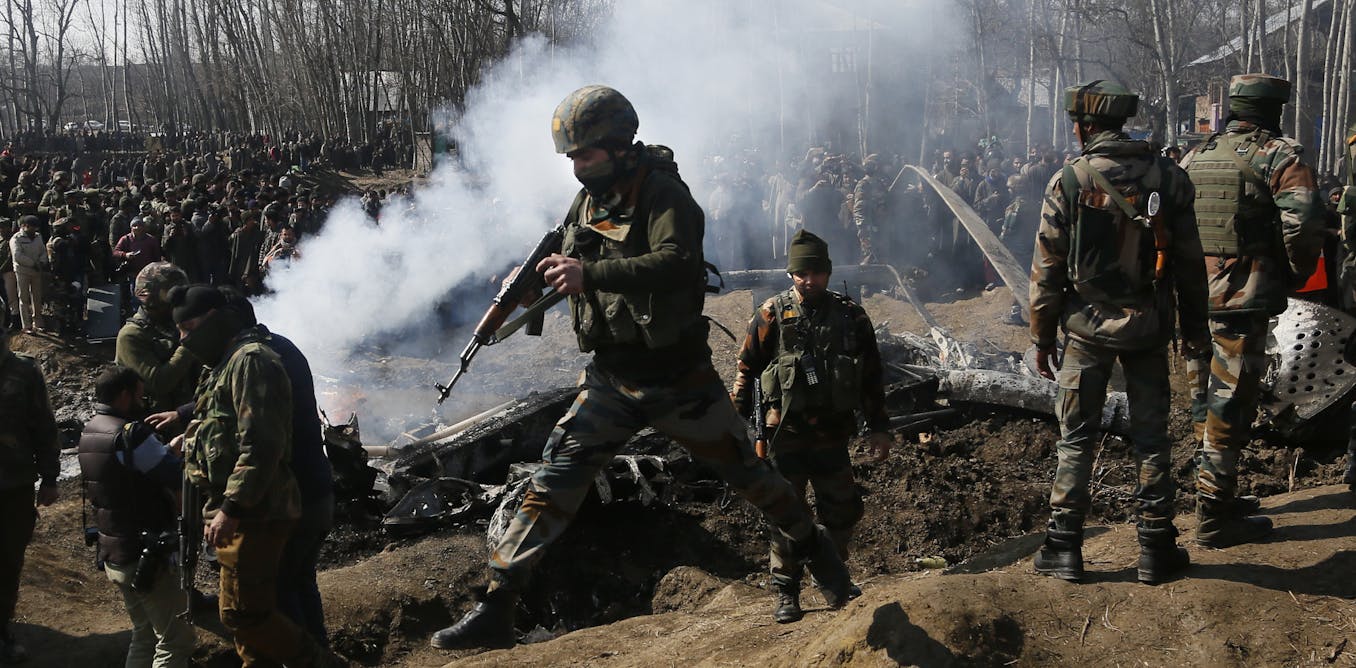
On April 22, 2025, the picturesque town of Pahalgam in Indian-administered Kashmir witnessed a devastating terrorist attack that claimed the lives of 26 innocent people, most of them tourists. The attack shocked the region and once again placed India and Pakistan on a dangerous path toward confrontation.
In the immediate aftermath, Indian officials pointed fingers at Pakistan-based groups, accusing them of masterminding the attack. Without waiting for a complete investigation, India began taking aggressive steps. The Indus Waters Treaty was suspended, Pakistani flights were denied Indian airspace, visa services for Pakistani citizens were halted, and additional troops were sent to the Line of Control. These measures sparked concern across South Asia and raised fears of potential escalation.
Pakistan responded with restraint and clarity. The government strongly denied any involvement in the incident. Prime Minister Shehbaz Sharif emphasized the need for truth and transparency, offering to participate in any neutral and credible international investigation. The Pakistani leadership made it clear that it wanted facts to guide actions, not speculation or political pressure.
At the same time, Pakistan issued warnings that the sudden response from India could be laying the groundwork for military action. The Pakistani government took precautionary measures by closing schools and religious institutions near the border and preparing local populations for emergency situations, including possible evacuations. These decisions were made not out of aggression, but to protect civilians in an increasingly tense environment.
Recognizing the potential danger, the United States stepped in to mediate. Secretary of State Marco Rubio reached out to both India and Pakistan’s top leadership in an effort to defuse tensions. He urged both sides to act responsibly and avoid any step that could lead to irreversible consequences. With both countries being nuclear-armed, the risks of miscalculation were too high to ignore.
Pakistan’s military leadership also spoke publicly. In a firm but composed statement, Chief of Army Staff General Asim Munir reiterated that Pakistan does not seek conflict. However, if forced into a war, the country is fully prepared to defend its sovereignty. His message was consistent with Pakistan’s longstanding policy of defense, not provocation.
Meanwhile, Pakistani intelligence agencies reported disturbing activity online in the hours following the Pahalgam attack. More than 200 fake social media accounts were reportedly activated in a coordinated effort to spread anti-Pakistan messages and shift the blame without evidence. This digital manipulation was viewed as part of a broader campaign to shape global narratives and isolate Pakistan diplomatically.
While political and military leaders issued statements, the biggest victims of the crisis remained the ordinary people. Families in Kashmir, especially near the LoC, lived in fear of shelling, air raids, or worse. Mothers pulled their children out of school. Farmers left their fields. Markets were closed. The air was thick with anxiety.
📄 POLICY WIRE WHITEPAPER PUBLISHED: PAKISTAN'S NATIONAL SECURITY POLICY PRIORITIES
👉 READ BY CLICKING HEREAnd yet, amid all this, the call for peace remained alive. Regional powers such as Turkey and Saudi Arabia, as well as international organizations including the United Nations, urged both nations to step back from confrontation and choose diplomacy over violence.
Inside India, even some voices within the establishment began questioning the pace and pattern of government action. Former Jammu and Kashmir Governor Satya Pal Malik repeated his earlier criticism of how previous incidents like the Pulwama attack had been politicized to serve election campaigns. His remarks echoed a growing concern that sensitive security issues were being exploited for political gain.
As tensions rise, the world watches, but it’s the people who suffer. In Kashmir, Punjab, Sindh, and even Delhi, millions silently pray for peace. Yet once again, India’s baseless accusations, made without verified evidence, have fueled the fire. These premature claims risk pushing the region toward unnecessary conflict.
It’s time for India to reflect. Justice for Pahalgam’s victims matters, but it must come through truth, not political agendas. Real peace demands patience, dialogue, and responsibility. The people have suffered enough. The choice is clear: peace over provocation. Now, more than ever.
Author