

Black Sea Flashpoint: Drone Explosion Rattles NATO’s Edge, Whispers of a Wider World
POLICY WIRE — Constanta, Romania — The dull, percussive thud that rattled windows along Constanta’s industrial coastline wasn’t the sound of progress. Nor was it some errant thunderclap...

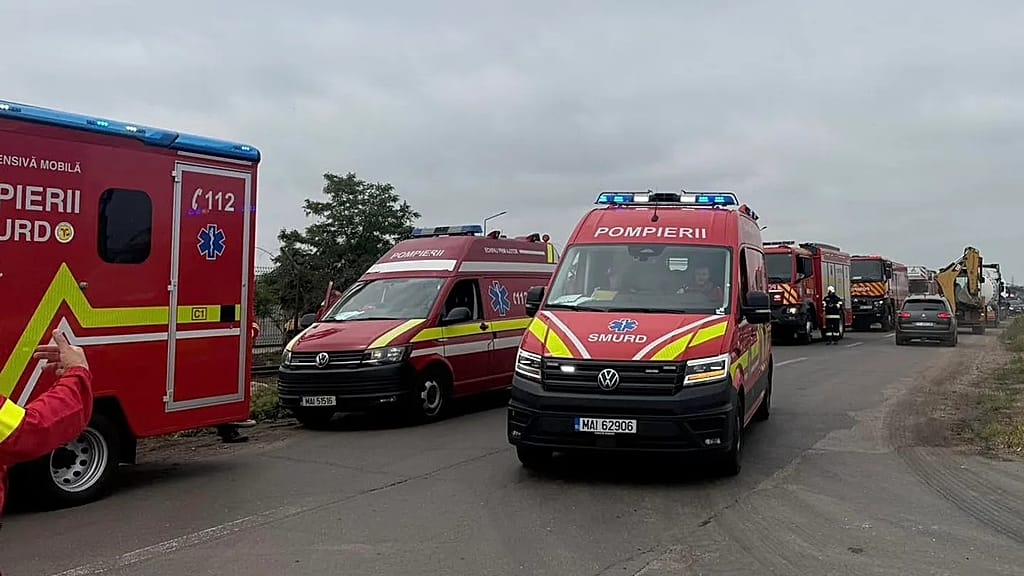
POLICY WIRE — Constanta, Romania — The dull, percussive thud that rattled windows along Constanta’s industrial coastline wasn’t the sound of progress. Nor was it some errant thunderclap over the Black Sea, although thunder, of a sort, is certainly in the air. No, this was the unmistakable, gut-punching report of a naval drone detonating. It happened dangerously close, near pier 050 of Romania’s biggest port, throwing a rather inconvenient spotlight on just how fragile things have gotten at Europe’s eastern doorstep.
No one was hurt, which, in the grand scheme of things, feels less like good fortune — and more like sheer luck. But let’s be real, this wasn’t some benign piece of debris drifting in from an old Soviet scrap yard. This was, as officials quickly—if somewhat carefully—confirmed, an uncrewed explosive device. A reminder, a grim calling card, from a conflict that refuses to stay put on a map.
It’s not just a Romanian problem, not by a long shot. This incident, for all its localized impact, throws a spotlight onto NATO’s extended vigilance. You’ve got to wonder what goes through the minds of commanders in Brussels when another one of these things washes up, or worse, blows up, just a stone’s throw from a key Alliance maritime hub. And because it’s close to Ukraine, where Russia’s war effort chugs along, this port’s essentially ground zero for logistics, trade, and keeping grain—and a bit of global stability—flowing.
“We’re certainly not in the business of letting our coastal defenses become a free-for-all,” stated Romanian Defense Minister Angel Tîlvăr, his tone measured but firm during an impromptu press briefing. “This wasn’t just a random act; it’s part of a broader pattern designed to test our resolve and disrupt the vital lifelines running through this sea. We’re investigating, yes, but we’re also doubling down on maritime surveillance. Because what happens here, reverberates across the continent and beyond.” His sentiments, let’s be honest, aren’t exactly comfort food for a populace already on edge.
But how about beyond Europe’s direct gaze? Imagine the collective intake of breath in, say, Karachi or Cairo. Those maritime lanes are absolutely vital, feeding millions across the Muslim world — and South Asia. Interruptions there send ripples — or rather, tidal waves — straight into household budgets and geopolitical calculations far afield. It’s a reminder that global trade, particularly in commodities like grain, often functions on threads finer than policymakers like to admit. And that’s a concern that’s not going away.
And these drones, these unmanned death machines, they’re becoming the grimy signature of modern, asymmetrical conflict. It’s a low-cost, high-impact method of psychological warfare. Who’s behind it? Officially, it’s under investigation. Unofficially, pretty much everyone’s got Russia’s name scrawled all over it, given the history and their recent knack for turning the Black Sea into a live-fire exercise zone. This particular blast comes amidst Moscow’s intensified attacks on Ukraine’s port infrastructure along the Danube, creating a rather unpleasant backdrop.
“NATO stands in unwavering solidarity with our Romanian allies,” intoned NATO Deputy Spokesperson Paulina Wójcik during a call with international journalists. “Incidents of this nature, whether accidental or intentional, are irresponsible — and inherently destabilizing. We expect all parties to adhere to international maritime law. This isn’t some game, it’s impacting lives and livelihoods across the globe.” Her phrasing, precise and bureaucratic as it might be, hardly masks the underlying exasperation with a belligerent neighbor that routinely thumbs its nose at international norms.
📄 POLICY WIRE WHITEPAPER PUBLISHED: PAKISTAN'S NATIONAL SECURITY POLICY PRIORITIES
👉 READ BY CLICKING HEREIndeed, a recent report from Lloyd’s List Intelligence revealed a near-trebling of war risk premiums for shipping in the Black Sea region over the last year alone. That’s money out of everyone’s pocket. It’s pushing up freight costs, which in turn means higher prices for everything from Ukrainian wheat bound for struggling nations like Egypt and Pakistan, to Romanian goods trying to reach European markets. It’s economic friction, deliberate and persistent, affecting those who arguably have the least to do with the fight but suffer its consequences the most.
Casualness be damned; these drones represent a dangerous erosion of what little order remains in a heavily contested maritime space. They’re not just targets; they’re instruments of attrition, both physical — and psychological. They say a lot about who holds the cards — or thinks they do — when it comes to controlling a choke point. Navigating this muck of rising tensions and blurred lines demands more than just vigilant patrol boats; it requires some truly creative diplomacy, a commodity that seems in alarmingly short supply these days.
What This Means
This incident isn’t just a bump in the road; it’s a further chipping away at the fragile security architecture of the Black Sea region. Politically, it complicates an already complex strategic chess match between NATO — and Russia. It forces Romania, a frontline NATO member, to ramp up defenses, diverting resources — and escalating rhetorical stances. This drone, while potentially originating from a conflict zone, becomes a direct challenge to the Alliance’s territorial integrity, no matter how incidental its arrival. The implications for Article 5 aren’t immediately triggered, but such proximity tests the very fabric of collective defense.
Economically, the impact is stark. Constanta isn’t just some quaint seaside town; it’s a critical commercial gateway. Sustained instability and perceived threats directly affect shipping insurance premiums, transit times, and overall investment. Investors, both domestic — and foreign, grow wary, seeking less volatile alternatives. This creates a drag on regional economies, further compounding the financial strains imposed by the ongoing conflict in Ukraine. For countries in the broader supply chain—those in South Asia relying on Black Sea agricultural exports, for example—it translates to increased food insecurity and exacerbated inflationary pressures. The geopolitical game here isn’t abstract; it’s got real-world, dinner-table consequences. And it just keeps going.