

Silicon Diplomacy: When NVIDIA’s Guru Came Calling in Seoul
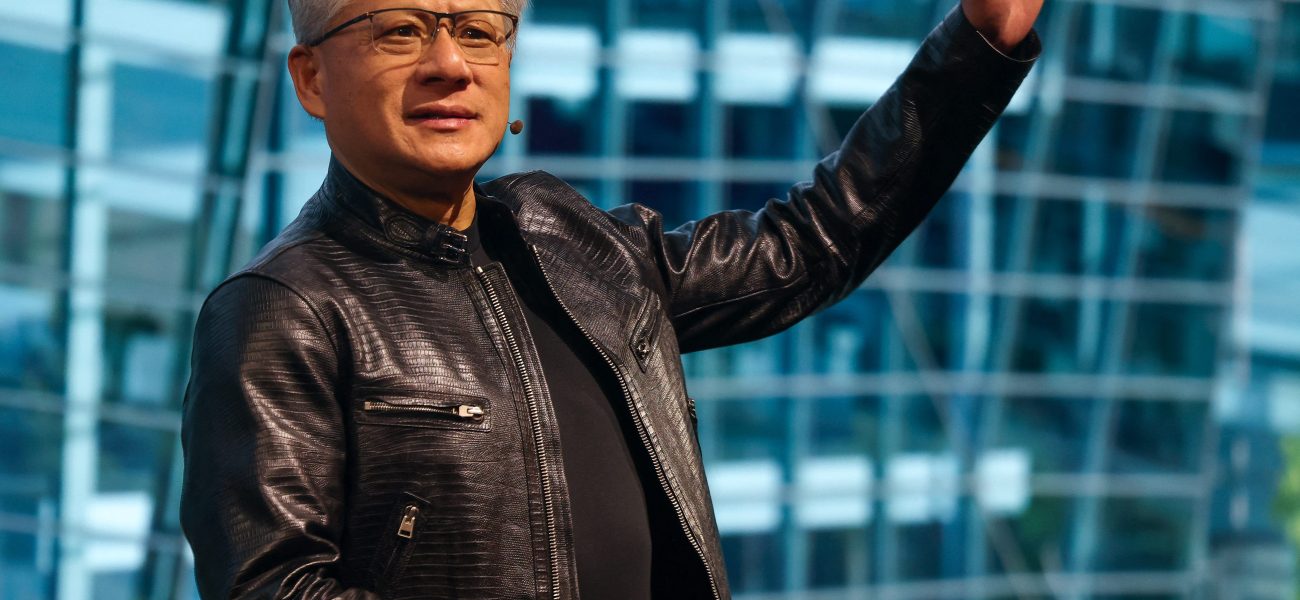
POLICY WIRE — SEOUL, South Korea — It wasn’t the gilded palaces of European royalty, nor a bustling Silicon Valley summit. No, Jensen Huang, NVIDIA’s denim-clad chieftain, found himself...

POLICY WIRE — SEOUL, South Korea — It wasn’t the gilded palaces of European royalty, nor a bustling Silicon Valley summit. No, Jensen Huang, NVIDIA’s denim-clad chieftain, found himself deep in the heart of South Korean manufacturing might. His recent swing through Seoul wasn’t merely a polite meet-and-greet with Samsung and SK Hynix executives; it was a gritty, high-stakes game of global poker played with silicon chips as the ante. When a man whose company controls 90% of the world’s most coveted AI accelerators shows up on your doorstep, it’s rarely just for the coffee.
This whole AI boom? It doesn’t run on sunshine — and good intentions. It demands an endless river of specialized processing units, specifically Graphics Processing Units (GPUs) — NVIDIA’s bread and butter. South Korea, a global powerhouse in memory chips, suddenly finds itself at the epicenter of a new arms race. And Huang, bless his visionary soul, knows exactly where the bottleneck is and who holds the keys to expanding the pipeline. This isn’t just about faster chatbots; it’s about national security, economic hegemony, and frankly, who gets to decide the future of computation. Small wonder Washington’s watching, too.
Because, make no mistake, the friendly banter — and ceremonial photo ops masked something far more substantial. NVIDIA needs more memory – High Bandwidth Memory (HBM) to be precise – custom-engineered to work seamlessly with its top-tier AI chips. South Korean giants, Samsung — and SK Hynix, are the undisputed masters of this domain. They’ve perfected the delicate art of stacking memory chips like microscopic pancakes, all connected with tiny data highways. So, Huang wasn’t just there to impress; he was there to cajole, to strategize, and to lock down deals that’ll secure his empire’s future, as rivals like AMD nip at his heels.
“We aren’t just selling chips; we’re architecting tomorrow’s world, pixel by pixel, neural network by neural network,” Huang reportedly told a closed-door gathering of executives, a quote shared by a source familiar with the discussions. His company’s latest quarterly earnings saw revenue skyrocket by an eye-watering 262% year-on-year, primarily due to this insatiable hunger for AI hardware. That’s a supply chain under immense pressure, not just from demand, but from geopolitical tremors.
And the Koreans? They’re playing it cool. But make no mistake, they understand the leverage they possess. Park Young-joo, South Korea’s Deputy Minister for Trade and Investment, was succinct, if a little cagey, when asked about the visits. “Our national interest is paramount. We seek robust partnerships that foster innovation and ensure supply chain stability, especially in technologies critical for the global future.” Sounds like a careful dance, doesn’t it?
This global tech dance has ripple effects far beyond Seoul — and Silicon Valley. Consider Pakistan, for instance. A country wrestling with economic modernization — and digitalization dreams. Access to cutting-edge AI chips, or even the underlying technological infrastructure, means the difference between a nascent tech sector and one that remains forever a follower. As the big players monopolize advanced chips, regions like South Asia find themselves scrambling for scraps, or, if they’re lucky, perhaps enticing some downstream manufacturing or assembly work. The gap widens, and it’s an uncomfortable truth.
📄 POLICY WIRE WHITEPAPER PUBLISHED: PAKISTAN'S NATIONAL SECURITY POLICY PRIORITIES
👉 READ BY CLICKING HEREBut this isn’t simply a transaction between buyer — and seller. This is about establishing preferred relationships, about incentivizing investment in future R&D, and potentially about solidifying a strategic alliance against China’s own accelerating efforts in AI and chip independence. Samsung — and SK Hynix, after all, are caught in the crosshairs of the U.S.-China tech spat. Having NVIDIA as a very interested, very cash-rich partner offers a layer of protection, or at least a highly profitable dilemma. It’s capitalism with a heavy dose of national strategy.
What This Means
Jensen Huang’s South Korean sojourn represents far more than a corporate executive seeking suppliers; it’s a stark indicator of a burgeoning era of techno-geopolitical competition. For Seoul, securing strong ties with NVIDIA translates into continued economic vitality and prestige within the global technology hierarchy. It offers insulation, to a degree, from broader international trade turbulences. The immense demand for HBM ensures Korean dominance in a critical component, fortifying their position.
For the U.S., it’s about reinforcing alliances — and containing China’s technological ascent. By locking down South Korean advanced memory for American AI chip powerhouses, Washington strengthens its ecosystem while indirectly constraining Beijing’s access. The underlying currents suggest that the global chip landscape is not merely economic but fundamentally strategic, with every handshake scrutinized for its diplomatic heft. Countries across the developing world, particularly in South Asia — and the Muslim world, are watching keenly. Because their own aspirations for digital economies hinge on these grand strategic plays. The winners here will shape much more than just software updates; they’ll shape global power dynamics. It’s truly a new kind of power brokering, disguised as supply chain optimization. And everyone’s vying for their slice.