

The Lingering Stain: A 1970s Football Shame and Its Echoes Today
POLICY WIRE — London, UK — Retirement often invites introspection, a leisurely meander through triumphs and cherished memories. But sometimes, a forgotten scar pulls sharp. A veteran Sunderland...

POLICY WIRE — London, UK — Retirement often invites introspection, a leisurely meander through triumphs and cherished memories. But sometimes, a forgotten scar pulls sharp. A veteran Sunderland supporter, contemplating six decades of loyalty to the Lads, found his pleasant recollections abruptly shattered by the chilling specter of a past humiliation. It wasn’t a defeat that soured his mood; it was a deeply ingrained, almost convenient amnesia regarding an earlier, darker chapter in the beautiful game’s often less-than-beautiful history.
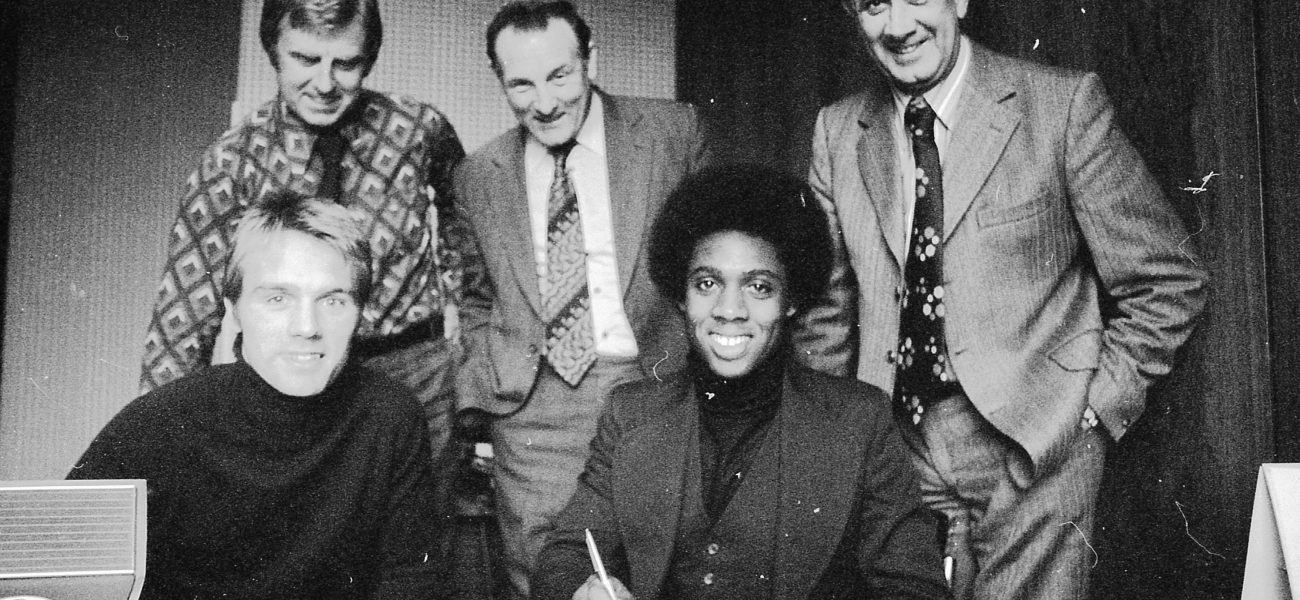
The catalyst for this uncomfortable excavation? A BBC iPlayer documentary titled ‘Finding Roly’, complemented by a companion podcast from Roker Report, spotlighting Roly Gregoire, a young footballer whose career at Roker Park, for some, marked a lamentable nadir in supporter behavior. Gregoire, in 1978, became the club’s first black player, a milestone then, and still, freighted with an insidious weight.
Because that season, 1977/78, began with hope. Manager Jimmy Adamson, known for nurturing young talent, brought in fresh faces. Two 19-year-old forwards, Wayne Entwhistle — and Gregoire, arrived. The author, like many younger fans, noted the arrival of a trio of ‘firsts’ on the team – Entwhistle as the ‘punk-rocker’, Joe Bolton the ‘skinhead’, and Gregoire, ‘our first black player’. Initial appearances, particularly Gregoire’s debut in January 1978, offered glimpses of promise. He was described as ‘rapid across the grass — and elusive as well’. Sunderland started 1978 ‘with something new in the exciting shape of nineteen-year-old Roly Gregoire, what a debut he had,’ a contemporary match report in the Journal noted. He even drew praise from Adamson who told Kevin Francis, “He’s a silky competitive fellow that is certainly going places”. The win, in front of nearly 30,000 fans, offered a ‘sense of charging into the new year’.
But the joy was short-lived. A troubling undertone permeated the stands. There were ‘people in the crowd who were shouting really inappropriate things at Gregoire’. This wasn’t entirely new for English football, as players like Orient’s John Chiedozie and Luton’s Ricky Hill had faced similar abuses. However, this was different: ‘I was shocked at the casual way some of our supporters were referring to one of our own players’. And it escalated. The hope that ‘it will die down as Roly plays more games — and fans see what a good player he’s’ proved ‘forlorn sadly’.
Indeed, the racism continued, ‘without pause and at times seemed particularly vicious if things were not going our way’. Things culminated in a pivotal match against Blackburn. Against a struggling opponent, a significant crowd – only the second time over ‘35,000’ that season – had gathered. Expectations were high. But a series of missed chances, especially from Gregoire, ignited the vile behavior. The ‘infectiously vicious’ abuse grew in ‘numbers — and volume as the game was played out’. It was ‘unprecedented in my time of coming through the gates’. ‘It was both shameful — and painful in equal measure’. Every missed opportunity, even a controversial penalty conceded elsewhere on the pitch, somehow became ‘Gregoire’s fault as far as the ranters were concerned’. Many had seen abuse in football, of course. Yet, the specificity, the target, made this feel distinctly worse. This wasn’t just poor play, it was something else, something deeper. An ‘innocent’ thirteen-year-old on his first game asked if the ‘ranters were trying to make him play badly’. The answer, devastatingly, was unspoken.
Roly Gregoire never played for Sunderland’s first team again. ‘We never saw Roly Gregoire on our turf again’. This writer concluded, and with bitter irony, ‘there was no level playing field for Roly Gregoire when he came to Sunderland. Roly just needed the same opportunity — and support as his fellow (white) team mates’. That abuse represented more than just misguided fan frustration; it was a potent display of unchecked societal prejudice permeating what many consider a national pastime.
📄 POLICY WIRE WHITEPAPER PUBLISHED: PAKISTAN'S NATIONAL SECURITY POLICY PRIORITIES
👉 READ BY CLICKING HEREWhile society, — and football, have ostensibly progressed, the fight for true equity continues. The Football Association (FA) reported over 400 cases of discriminatory abuse across English football in the 2022-2023 season, with race being the most common category, highlighting that vigilance remains paramount.
What This Means
The visceral recollections of Gregoire’s treatment offer more than just a poignant historical footnote; they serve as a stark reminder that athletic arenas, often celebrated as crucibles of meritocracy, can also become stages for the amplification of societal bigotry. It isn’t just about an athlete’s lost opportunity; it’s about the erosion of trust, the dehumanization inherent in such acts, and the implicit message sent to minority communities — whether in North East England or halfway across the globe.
From a policy perspective, such incidents inform the ongoing struggle to craft legislation and enforcement mechanisms that effectively combat discrimination, not just within sport, but within educational institutions, workplaces, and public life generally. For a nation like Pakistan, where cricket reigns supreme but football enjoys a growing following, the lesson resonates. In a diverse country with numerous ethnic and religious minorities, the challenges of integration and the combating of prejudice within popular culture and institutions remain pressing concerns. Cases of discrimination, even perceived ones, can destabilize communities — and undermine national unity. The integrity of sporting institutions, much like political bodies, relies on fair play and equitable treatment for all participants, regardless of their background.
The commercial implications aren’t insignificant either. Global sports brands, increasingly sensitive to diverse markets and social justice issues, must ensure their associations reflect genuinely inclusive values. A club or league perceived as tolerating bigotry risks alienating vast segments of fans, players, and potential sponsors, especially as emerging markets like those in the Muslim world — with rapidly growing youth populations and increasing digital connectivity — become crucial to financial growth. Organizations like Policy Wire often examine these socio-economic threads. This isn’t just about ‘woke’ sentiment; it’s smart business, good governance, — and frankly, basic human decency. And the battle against it hasn’t stopped; you only have to look at players like Romaine Mundle and Lutsharel Geertruida still facing racial hostility. An old friend, all those years ago, had it right: ‘we couldn’t…let the lunatics take over the asylum!’ Now, if you’ll excuse me, I’m listening to Jeff Brown’s pod on Haway the Podcast.