

Local Bureaucracy, Global Echoes: New Mexico’s Transfer Tangle Tests the Scales of Talent and Opportunity
POLICY WIRE — ALBUQUERQUE, N.M. — A bureaucratic tremor is shaking the halls of amateur athletics across New Mexico, far from the grand theaters of political debate, but potent nonetheless....

POLICY WIRE — ALBUQUERQUE, N.M. — A bureaucratic tremor is shaking the halls of amateur athletics across New Mexico, far from the grand theaters of political debate, but potent nonetheless. It’s a small local rumble, really, centered on something seemingly innocuous: a prospective tweak to student-athlete transfer regulations. Yet, this localized discussion about movement—of young talent from one school to another—reflects far larger currents of equity, ambition, and the relentless pursuit of perceived advantage, currents that frankly swirl on a global scale.
It isn’t about geopolitics or national policy, not directly. We’re talking high schoolers — and basketball shoes here. But strip away the specificity, and what remains is a classic struggle: how do you manage the mobility of talent in a way that feels fair to everyone? How do you keep a level playing field when opportunity—or at least the perception of it—always seems brighter just over the horizon? [QUOTE_PLACEHOLDER]
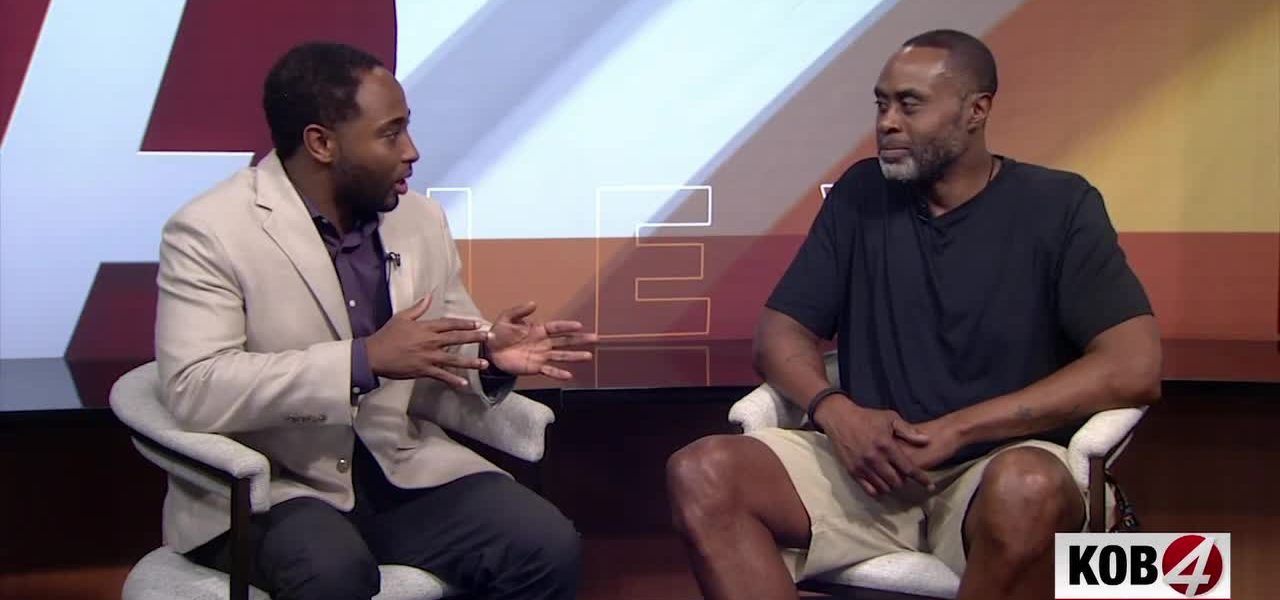
Sources, in what’s described as In this edition of Kenny’s Got the Score, we’re talking about the possible rule change for transfers by the New Mexico Activities Association
, indicate the entity often referred to simply as the New Mexico Activities Association
has begun grappling with this thorny issue. They’re wrestling with a potential seismic shift in how kids move between programs. This isn’t just shuffling names on a roster; it’s about altering the fundamental architecture of prep sports competition, tilting dynamics, and potentially — critics argue — encouraging an academic free-agency culture.
The stakes, believe it or not, run high for communities throughout the Land of Enchantment. Imagine a small town with a fledgling sports program finally building momentum. Then, imagine their star athlete, the local prodigy, getting a sniff from a perennial powerhouse a county over. This ‘possible rule change’ could make that jump easier, harder, or simply less clear. But don’t misunderstand, there are arguments for greater flexibility too. Some parents champion the ability to move a child to a different academic or athletic environment if their current situation just isn’t working out. You can’t blame them for wanting the best for their kids, right?
The philosophical tightrope the New Mexico Activities Association
walks is whether it serves to protect the integrity of school-based programs or the individual pursuit of excellence by the student-athlete. And, honestly, sometimes those two aims collide like two defensive ends. The former usually argues for stricter residency rules, hoping to foster community loyalty and prevent ‘school shopping.’ The latter, conversely, sees undue restrictions as stifling personal growth, potentially boxing kids into suboptimal environments simply because of a zip code. It’s messy. It always is.
But how does this play out beyond the Mesilla Valley? Think about countries where talent retention is a national crisis. In places like Pakistan, for instance, the flight of skilled professionals – doctors, engineers, IT experts – to Western nations, often called ‘brain drain,’ presents an enduring challenge to national development. That’s a vastly different scale — and context, no question. Yet, the core dilemma isn’t entirely dissimilar: how do you foster growth and excellence within a local system when individuals are constantly eyeing what they perceive as better opportunities elsewhere? It’s the micro-economy of talent mobility, mirrored in a high school sports context. Everest’s Grim Toll: Sherpa’s Near-Fatal Ordeal Unmasks Mountain’s Harsh Economy touches on similar economic undercurrents driving individual choices.
This discussion about the possible rule change for transfers by the New Mexico Activities Association
isn’t an isolated incident. Around 15% of high school students nationally transfer schools each year, according to a 2018 National Center for Education Statistics report. That’s a heck of a lot of movement. And many of those moves aren’t for sports, sure, but a significant portion definitely is influenced by athletic prospects. State associations across the U.S. constantly tweak their transfer bylaws, each trying to find that elusive sweet spot between competition, fair play, and athlete welfare. Some impose a sit-out period. Some demand verifiable hardship. Others? They practically hand out bus passes.
📄 POLICY WIRE WHITEPAPER PUBLISHED: PAKISTAN'S NATIONAL SECURITY POLICY PRIORITIES
👉 READ BY CLICKING HEREBecause, really, a liberal transfer policy can create a system where winning isn’t just about good coaching or dedicated players, it’s about whose booster club can offer the best ‘incentives’ to lure talent. It morphs competition from a contest of character — and hard work into a transaction. That isn’t great for anybody involved. Or, at least, not great for those schools with fewer resources, you know?
What This Means
Politically, this rule change, whatever its final form, sends a message. A stricter stance signals a conservative lean towards institutional stability and local community values over individual athletic ambition. It says, ‘Stay put. Build where you are.’ But a more permissive policy reflects a progressive view on individual agency, talent optimization, and a certain kind of athletic free market. It suggests, ‘Go where you can flourish.’
Economically, there are ripple effects. Schools with surging enrollments due to attracting transfer athletes see an increase in per-pupil funding. Communities rallying around winning teams often experience boosted local business at games. But smaller, struggling districts might face a talent drain, making it harder to attract teachers, coaches, and ultimately, families. It can perpetuate a cycle where the rich get richer — and the poor… well, they just get poorer. And that kinda scenario resonates deeply in many developing nations, including those in the Muslim world, grappling with maintaining a strong, domestically trained workforce versus watching their best and brightest head for greener pastures overseas. For them, every individual’s choice to stay or leave can have macroeconomic consequences. These seemingly localized athletic transfer debates, then, aren’t just about kids playing games; they’re microcosms of global trends concerning the movement of human capital, ambition, and the structures we erect — or dismantle — to manage it. Fleeting Showers in New Mexico Offer Scant Respite as Arid Realities Loom further highlights the localized pressures in the state.
Whatever the eventual outcome, the New Mexico Activities Association
won’t just be signing off on a regulation. No, they’ll be drawing another line in the sand—or perhaps erasing one. It’s a choice that reflects deeper values about competition, community, and opportunity, a reflection visible even through the dusty lens of prep sports.