

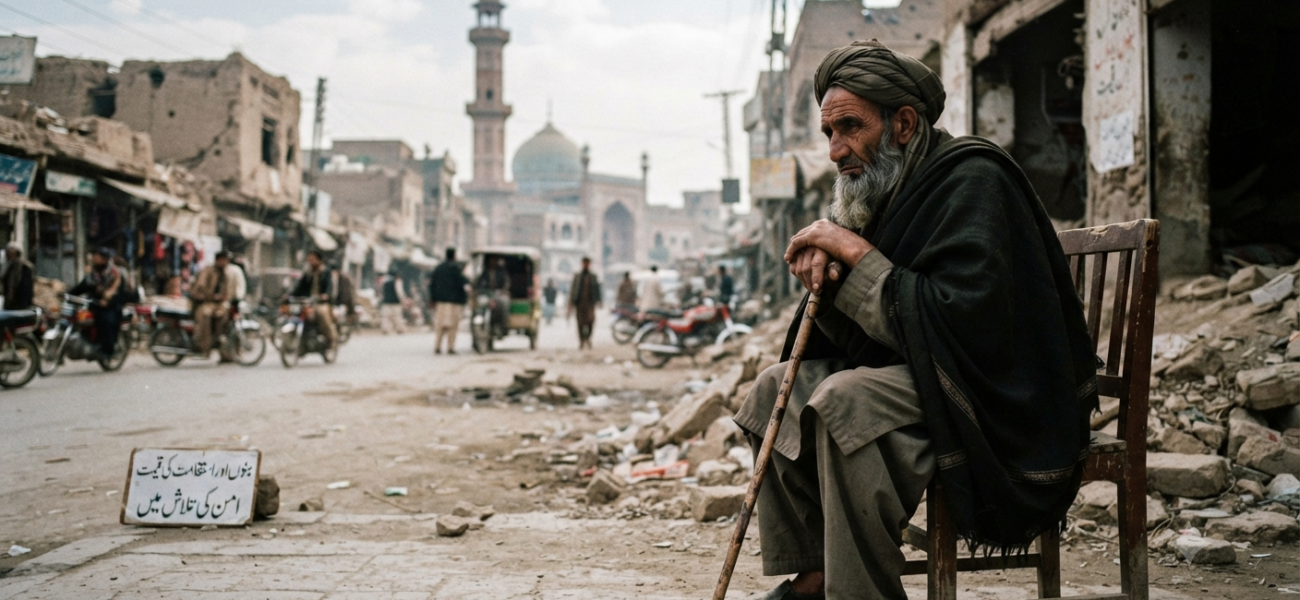
The fight against terrorism continues to test Pakistan’s resolve, particularly in regions that remain on the front line of the country’s security challenges. Bannu has once again become the frontline of Pakistan’s counterterrorism campaign as security forces intensify operations against terrorist networks operating in the region. In a single 24-hour window, security forces eliminated 24 terrorists in a coordinated series of intelligence-based operations (IBOs) across Bannu district and adjoining areas, according to the Inter-Services Public Relations (ISPR). Days later, the Counter Terrorism Department (CTD) struck again, killing five more terrorists in Bannu’s Gulbahar area after a fierce 40-minute firefight. These operations reflect Pakistan’s continued strategy of using intelligence-led operations to disrupt terrorist networks and strengthen security in one of the country’s most volatile regions.
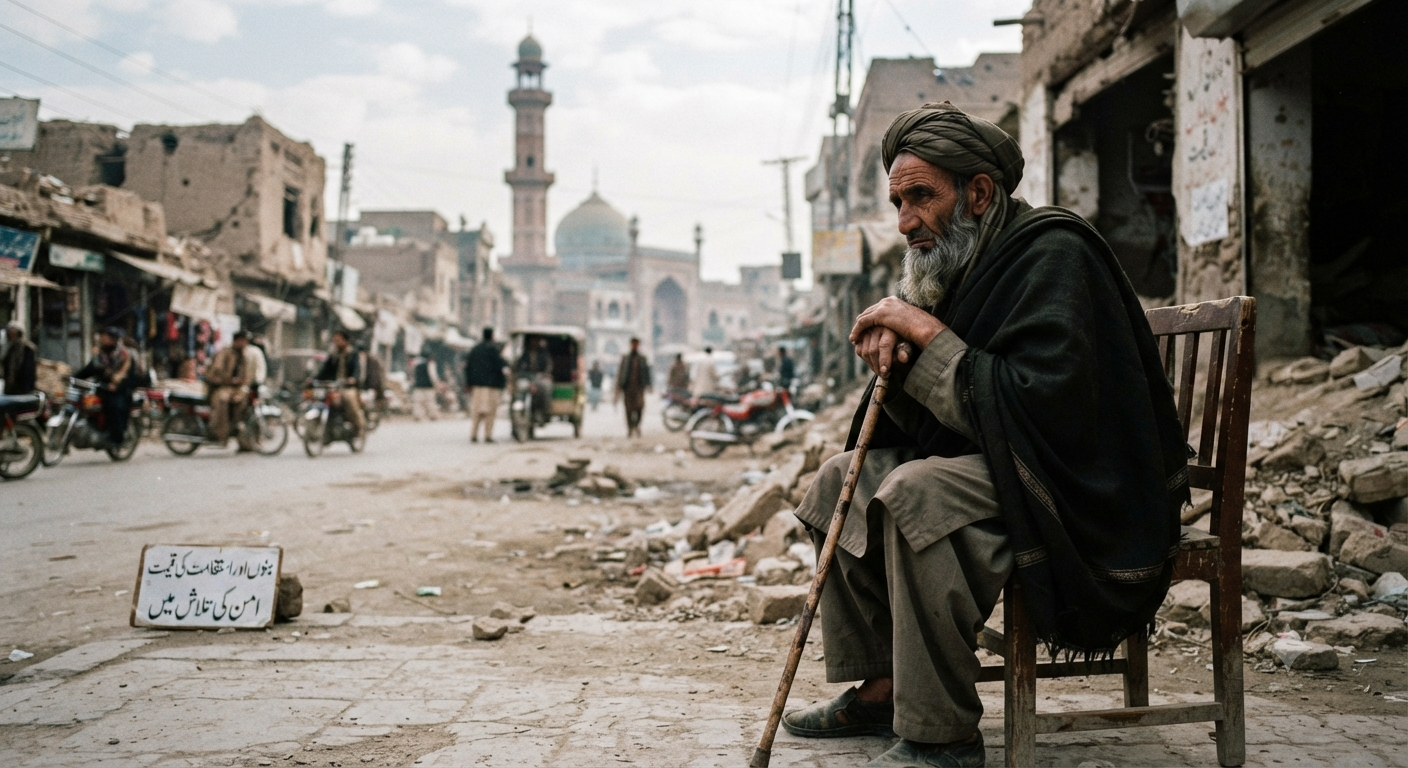
A Threat That Left No Choice
The scale of provocation that preceded these operations is impossible to ignore. Bannu has witnessed the following acts of terror: a suicide attack, a joint attack on a police station, as well as repeated drone attacks and fire arm attacks on police and Frontier Corps members. In May, gunmen and a suicide attack martyred 21 police officers in a night in Bannu; a few days after that, in the neighboring Lakki Marwat, a market attack martyred ten more civilians. Few months ago, a suicide vehicle attack in Bajaur martyred 24 people, one of which was a child. This is not fiction but Pakistani fathers, sons and civilians who have been martyred by the terrorists referred to as “Fitna al-Khawarij” by ISPR, a term that rejects their claim to religious legitimacy and identifies them as extremist elements responsible for violence.
Faced with this, what would critics have Pakistan do, sit still? The state’s response has been proportionate, targeted, and lawful: intelligence-driven raids against identified militant networks, not indiscriminate force. Weapons, ammunition, and explosives recovered from the slain terrorists in Bannu confirm these were active combatants engaged in ongoing attacks, not bystanders caught in the crossfire.
Resolve Backed by Results
Pakistan’s security operations under Azm-e-Istehkam (“Resolve for Stability”) have maintained strong pressure on terrorist networks across the country. Security forces have conducted continuous operations, eliminated thousands of terrorists, and disrupted their infrastructure.
The rise in attacks reflects militant groups’ attempts to create instability as they face increasing pressure and loss of operational space. These groups are relying more on asymmetric tactics, including suicide attacks and ambushes, rather than traditional fighting methods. In Khyber Pakhtunkhwa, Pakistan’s armed forces continue to target militant networks, protect communities, and work toward lasting peace and stability. The ongoing campaign shows the state’s commitment to defeating terrorism and safeguarding national security.
President Asif Ali Zardari’s commendation of the security forces after the Bannu operation, and Interior Minister Mohsin Naqvi’s continued public backing, are not empty theatre, they reflect a state standing firmly behind the men risking their lives on the front lines of this fight, night after night, in one of the most dangerous stretches of the Pakistan-Afghanistan border.
Naming the Real Source of the Problem
Pakistan’s leadership has also been right to call out the regional dimension of this threat. Islamabad has presented evidence, including at the UN Security Council, that recent attacks, such as the deadly May bombing that martyred 15 police officers, were planned and directed from across the border in Afghanistan. Pakistan’s characterization of these networks as backed by hostile external actors is not rhetorical excess; it reflects a pattern security officials have documented repeatedly. A state has every right, indeed, an obligation, to call out foreign-enabled terrorism on its soil and to demand that neighboring governments stop providing sanctuary to groups actively killing its citizens.
The Case for Standing Behind Islamabad
Every democracy fighting an entrenched terrorism faces the same uncomfortable truth: victory is incremental, and the enemy adapts. But incrementalism is not failure. Each Bannu operation degrades FAK’s manpower, seizes its weapons, and disrupts its planning cycles. Combined with Azm-e-Istehkam’s stated commitment to pairing security operations with development in the Newly Merged Districts, Pakistan’s approach is the right one: sustained military pressure alongside long-term stabilization, not a single silver bullet.
Pakistan’s security forces are not the story here, the terrorists who bombed a police station, ambushed officers, and terrorized civilians are. Islamabad’s official stance, firm, evidence-based, and unapologetic about naming both the terrorists and their external enablers, deserves support, not skepticism. Bannu’s security forces are fighting for the safety of ordinary Pakistanis, and that fight has earned the nation’s full backing.
Author