


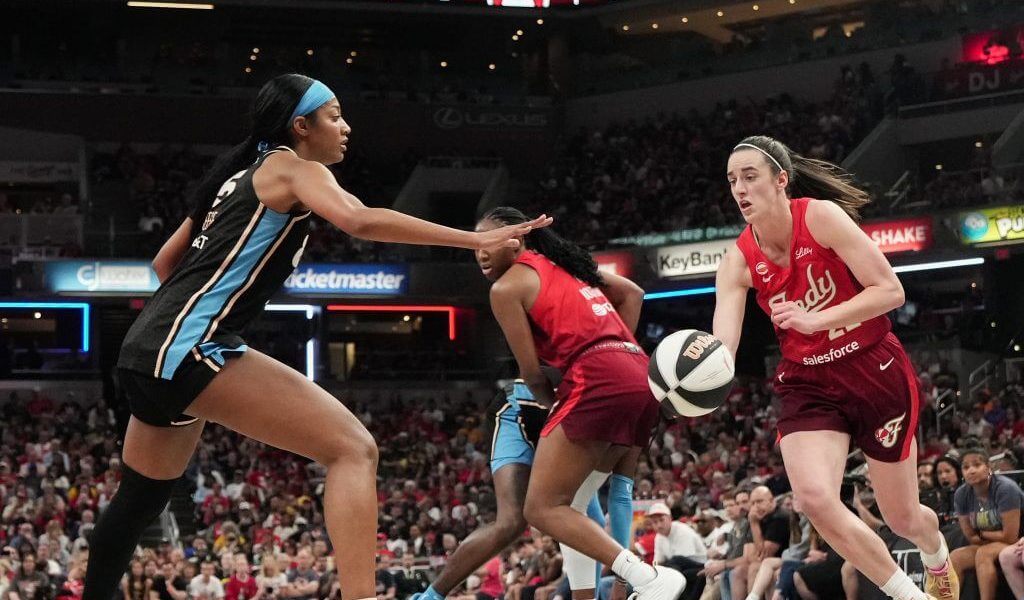
Fever Reassert Dominance, Avert Crisis After Pre-Game Drama
POLICY WIRE — INDIANAPOLIS, USA — One star athlete quietly battling an illness, a coach and player still fresh from a public dispute, and a collective salary bonus on the line — no, this wasn’t the...

POLICY WIRE — INDIANAPOLIS, USA — One star athlete quietly battling an illness, a coach and player still fresh from a public dispute, and a collective salary bonus on the line — no, this wasn’t the premise for a new sports drama, it was just another Thursday night for the Indiana Fever. In a Commissioner’s Cup opener that held far more psychological and financial weight than its 83-71 final score might suggest, the Fever navigated internal turbulence and a determined Atlanta Dream squad to emerge victorious. This win isn’t just about two points in the standings; it’s about a team wrestling with its own narrative and a burgeoning league flexing its economic muscle.
Before the ball even tipped off, the tension was palpable. Caitlin Clark, the rookie phenom whose presence alone has transformed viewership metrics, looked particularly fatigued during certain stretches. Worse, she threw up at halftime, the Prime Video broadcast reported, which team sources confirmed to The Athletic. It’s hard to imagine performing at an elite level after such an experience. But perform she did. After a shaky first half, she drilled a step-back 3-pointer over Dream defender Allisha Gray to help the Fever retake the lead at 44-43, and she briefly posed for the home fans before running back on defense. A few plays later, Clark dished a pinpoint pass to Kelsey Mitchell for a layup that pushed Indiana’s lead to six points and forced the Dream to call a timeout. Then, a human moment: As fired-up Clark went back to her bench, she and coach Stephanie White, who went viral for their verbal spat in the Fever’s loss at Portland last week, bear-hugged each other as they smiled from ear to ear. These aren’t just athletes; they’re employees, negotiating their relationships — and roles under immense public scrutiny. [QUOTE_PLACEHOLDER]
And what was the impetus for this gritty performance? Money, naturally. Sophie Cunningham noting that the $30,000 each player won in 2025 was less than that after taxes, but more importantly, they wanted to rebound from an abysmal road loss against the Portland Fire last week. It’s a familiar refrain from professional athletes globally, from the grand pitches of the Pakistan Super League to the locker rooms of the NBA: performance bonuses might not be the primary motivator, but they certainly don’t hurt. The Fever won last season’s Commissioner’s Cup — an annual in-season tournament — and took home the $500,000 prize. There’s a certain expectation, then, a legacy to uphold. Losing that opener would’ve set a dreary tone for a team desperately needing to steady its ship. They held a team meeting on Monday to address their issues and air grievances, showing how much behind-the-scenes effort goes into cohesive on-court play. They needed a statement win, — and they got it.
While Clark rallied to tally 17 points, eight assists and seven rebounds in 31 minutes, it was Kelsey Mitchell who truly caught fire. She’d started slow, missing four of six shots in the first quarter. But in the second and third frames, Mitchell — a three-time All-Star — didn’t miss a single shot, reeling off nine straight field goals and scoring 20 of her 25 points during that stretch. She cemented her impact, eclipsing 5,000 regular-season points, joining Hall of Famer Tamika Catchings as the only Fever players to reach that threshold. Mitchell’s individual triumph reflects the broader dynamics of a league where established stars often lay the groundwork for new sensations.
But how did the team manage such a turnaround, especially defensively? The Fever had given up at least 100 points in three of their four losses this season entering Thursday’s contest. They’d also allowed opponents to shoot 47 percent from the field, which was fourth highest in the WNBA. Against the Dream, however, Indiana displayed much more defensive resistance, holding them to 34.3 percent shooting and just 29 first-half points. Cunningham revealed earlier this week that Indiana was able to run only one defensive scheme, which was basically a bunch of switching, because players were unable to execute other coverages that White has tried to implement. The team, by simplifying its strategy, found success. This tactical discipline and collective effort, spurred by a pre-game team meeting to air grievances, showcases how much goes into cultivating winning habits, particularly when under pressure.
📄 POLICY WIRE WHITEPAPER PUBLISHED: PAKISTAN'S NATIONAL SECURITY POLICY PRIORITIES
👉 READ BY CLICKING HEREThe Dream, unfortunately for them, saw their two-game winning streak snapped. Atlanta was on a two-game winning streak — and had won four of its last five before facing the Fever. Their All-Star trio — Allisha Gray, Rhyne Howard, and Angel Reese — had surprisingly subpar outings. Gray entered Thursday averaging 21.1 points per game, second-most in the league, but she was held to a mere 13 points on 5-of-18 shooting. Howard, averaging 19.3 points, managed just eight points. Even Reese, with a double-double of 11 points — and 10 rebounds, coughed up a team-high four turnovers. It’s tough when your stars dim, especially when the other team’s come alive.
What This Means
This Fever victory extends beyond a single game; it’s a telling snapshot of the WNBA’s commercial ascendance and the nuanced politics within professional sports. The significant prize money for the Commissioner’s Cup underscores a critical economic incentive for players, adding another layer of pressure beyond wins and losses. We’re talking about six-figure sums for teams, a significant bonus to existing player contracts that often pale in comparison to their male counterparts. This kind of investment speaks volumes about the league’s growth trajectory and its increasing value as a media product, drawing unprecedented eyeballs and corporate sponsorship, which Policy Wire has extensively covered. Because, let’s face it, money talks.
The narrative around player well-being — Clark’s illness, the open communication after a public dispute — highlights the increasing demands on high-profile athletes. It’s a challenge faced by stars across global sports, from American basketball courts to the packed cricket stadiums of South Asia, where athletes navigate intense fan scrutiny and professional obligations. This kind of transparency, even if unplanned, fosters a more human connection between players and an ever-expanding fan base, essential for long-term growth. The stakes, both personal and financial, grow exponentially as the league’s profile rises, turning every contest into a micro-drama with macroeconomic ripples for women’s professional athletics.