

Silent Fliers, Silent Alarm: New Mexico Braces for a Primal Threat
POLICY WIRE — Albuquerque, United States — It isn’t often that the bureaucratic machinery of an entire state, from agriculture to health departments, snaps to attention over a microscopic...

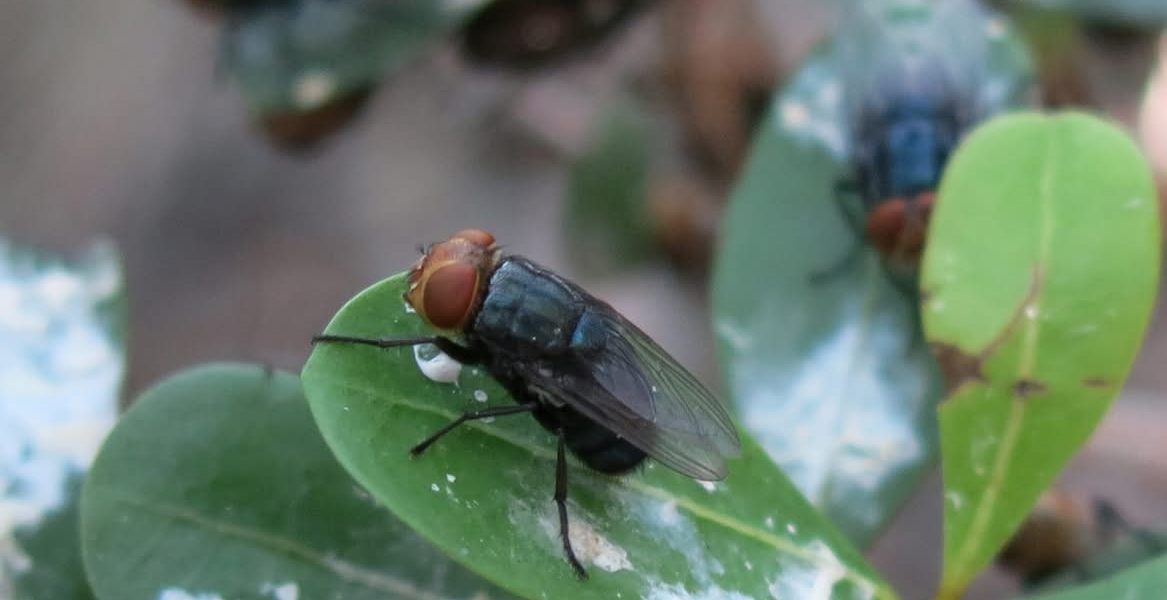
POLICY WIRE — Albuquerque, United States — It isn’t often that the bureaucratic machinery of an entire state, from agriculture to health departments, snaps to attention over a microscopic enemy. Forget grand geopolitical maneuvers or the daily grind of legislative squabbles; sometimes, the greatest immediate threat is a fly. A rather nasty one, at that. New Mexico finds itself on high alert, not for a cross-border cartel skirmish or a novel pathogen sweeping through its cities, but for something far more primal, something that can chew through a livelihood one animal at a time: the New World Screwworm.
This isn’t just about a bug; it’s about the soft underbelly of rural economics and the silent battles fought every day to keep an invisible adversary at bay. The alarm bells started ringing when the U.S. Department of Agriculture confirmed a case of the New World Screwworm (NWS) – a parasitic fly whose larvae, quite frankly, feed on the living tissue of warm-blooded animals – in Zavala County, Texas. Just across the state line. Suddenly, everyone’s talking about wounds and infestations, as if the desert winds might carry not just dust, but contagion.
And so, New Mexico’s state animal, wildlife, — and health honchos aren’t messing around. They’re telling folks to keep their eyes peeled. [QUOTE_PLACEHOLDER] Jeff Witte, New Mexico’s Secretary of Agriculture, said. A gentle nudge, you might think, but the underlying message is grim. They know what this thing can do.
It’s a bizarre kind of biological brinkmanship, this. New Mexico, for now, remains blessedly screwworm-free. But borders, whether etched in sand or in a politician’s decree, don’t really mean much to a fly. The message from the statehouse is clear: every rancher, every vet, every hunter, every pet owner – pretty much anyone with a warm-blooded creature in their care – has got to get serious. They’re urging recent travelers or anyone planning to visit that Texan hot zone to keep a really close watch on their animals.
[QUOTE_PLACEHOLDER] That’s the instruction. No one’s mincing words here, even if the general public often glosses over such arcane agricultural advisories. But this is the sort of thing that keeps agricultural departments awake at night—it’s not some abstract threat, you know? It’s tangible economic havoc waiting to happen. The state isn’t just asking; it’s demanding a community-wide defense against a literally flesh-eating larvae, because early detection and rapid reporting aren’t just good practices, they’re the only firewall we’ve got.
What This Means
This localized screwworm alert, seemingly a parochial animal health issue, actually lays bare something much bigger. It highlights the often-unseen economic fragility of agricultural sectors, particularly those reliant on livestock. A single pest, if unchecked, can trigger economic ripples that spread far beyond veterinary clinics — and ranch fences. Think about it: an infected herd means potential culling, massive financial losses for farmers, and, ultimately, higher food prices for consumers. It’s a stark reminder that biological threats, whether from tiny insects or massive viruses, wield significant geopolitical leverage.
📄 POLICY WIRE WHITEPAPER PUBLISHED: PAKISTAN'S NATIONAL SECURITY POLICY PRIORITIES
👉 READ BY CLICKING HEREThe U.S. has a formidable record of eradicating NWS before, but that takes immense coordinated effort—a sustained public health campaign that, when it works, tends to disappear from public memory because the disaster it averted never happened. Now, we’re seeing the machinery spooling up again, a quiet testament to the enduring vigilance required to maintain agricultural integrity. But this vigilance isn’t just an American phenomenon.
Consider nations like Pakistan, where the vast majority of the rural population directly depends on livestock for their livelihoods. For these communities, a disease outbreak isn’t an inconvenience; it’s an existential crisis. The Economic Survey of Pakistan for 2022-23 reported that the livestock sector contributed a robust 62.68% to agricultural value added and 14.36% to the national GDP. That’s a staggering amount, supporting millions. If a disease like screwworm were to establish a foothold there, the social — and economic disruption would be immense. It isn’t just about food security; it’s about stability. Such outbreaks can destabilize regional markets, displace populations (rural flight is real when the animals die), and strain public resources.
And because these things know no human boundaries, a screwworm outbreak in Pakistan could quickly impact its neighbors – Afghanistan or Iran, for example – turning a localized problem into a complex, cross-border health and trade crisis. We’ve seen the bureaucracy of disease play out before on the world stage, with far graver human consequences. It’s not just a U.S. challenge, you see. It’s a global blueprint for managing these tiny, silent menaces that can — and do — shake economies at their foundation. That little fly in Texas? It’s just a reminder of the global scale of such hidden vulnerabilities.
So, New Mexico isn’t just defending its borders against a pest; it’s showcasing, on a smaller scale, the intricate dance between animal health, economic stability, and international cooperation. It’s a fight most people will never even notice, until it fails. And that’s kinda the point, isn’t it? The best defenses are the ones that never let the attack materialize, making the effort invisible.