


Gridiron Geopolitics: Waddle’s Arrival Illuminates the Spectacle, Not Just the Score
POLICY WIRE — Denver, United States — They call it sport. But anyone with even a fleeting acquaintance with the gargantuan enterprise of American professional football knows it’s far more: a complex...

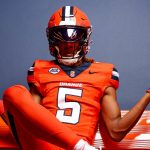
POLICY WIRE — Denver, United States — They call it sport. But anyone with even a fleeting acquaintance with the gargantuan enterprise of American professional football knows it’s far more: a complex blend of local economics, high-stakes human capital investment, and an increasingly important, if often overlooked, tool of national soft power. Forget the pigskin for a moment. This past Thursday, as cameras zeroed in on a certain wide receiver—Jaylen Waddle, clad for the first time in the Denver Broncos’ signature orange and blue at a voluntary offseason workout—the spectacle wasn’t just about athletic prowess. It was about perceived value. And the carefully cultivated illusion of shared civic destiny.
It’s a peculiar thing, this ritual of the offseason. Months before a real down is played, a city invests — emotionally and fiscally — in the promise of a single individual. Waddle’s acquisition wasn’t a mere trade; it was a transaction in the human futures market. Denver, a metropolis navigating its own shifting economic landscape, embraces this narrative of athletic revitalization with open arms, even as the dollars flowing out for these human assets grow exponentially. Average NFL franchise valuation, according to a recent report by Forbes, soared to over $5.1 billion in 2023—a testament not just to gameplay, but to the integrated entertainment and marketing behemoth these teams have become.
For weeks, the social media feeds churned with workout clips – personal vignettes from Waddle’s off-season grind, often styled to suggest an unwavering commitment to his new team before he’d even officially reported. But seeing him actually stretching, running routes, and yes, even dancing with new teammates on an actual Broncos field — for the first time since that blockbuster trade — it crystallized what the team’s front office and ownership are selling: hope. Because that’s what this offseason circus really boils down to: the manufactured hope of turning a struggling franchise into a contender. It’s a civic-booster shot administered directly into the veins of the fan base.
Dr. Anika Sharma, a leading economist specializing in urban socio-economic impacts, didn’t mince words. “Cities often rationalize these enormous player investments by pointing to economic multiplier effects, the boost in local pride,” she observed via a video call from her D.C. office. “But it’s a delicate balance. The capital expenditure on athletes needs to generate tangible returns beyond jersey sales. Are we building sustained community well-being, or just propping up a transient entertainment machine?”
And those entertainment machines, they don’t just hum along domestically. They cast a shadow — or a glow, depending on your perspective — across oceans. Ambassador Khalid Al-Fassi, a senior diplomatic advisor based in London with extensive experience across the Arabian Peninsula, notes the growing reach. “American sports, particularly the NFL, possess an almost unparalleled narrative power globally,” he commented last month, attending an energy summit. “For nations in South Asia and the broader Muslim world, which are rapidly developing sophisticated media infrastructures, these high-production, high-drama spectacles offer a potent blend of cultural engagement and aspirational consumerism. It’s a quiet but consistent contributor to American soft power.” It certainly isn’t an overt political move, but the subtle influences accumulate. For example, some Pakistani expatriate communities in the Gulf are surprisingly ardent NFL followers, a fascination that ripples back home.
📄 POLICY WIRE WHITEPAPER PUBLISHED: PAKISTAN'S NATIONAL SECURITY POLICY PRIORITIES
👉 READ BY CLICKING HEREThis whole enterprise isn’t simply about catching passes. It’s about perception, currency, and the almost tribal connection fostered between a team and its city, extended now to a global viewership. What fans saw on Thursday wasn’t just a fast wide receiver—he’s genuinely rapid, by the way—they saw a substantial investment walking and jogging around in plain view. They’ve invested time. They’ve invested money. The city itself, in subtle and not-so-subtle ways, mirrors that investment, hoping for an ROI measured in everything from civic pride to tourist dollars. But will it pan out? That’s the billion-dollar question.
What This Means
The visual spectacle of a marquee athlete, like Jaylen Waddle, participating in voluntary workouts offers more than just tantalizing snippets for impatient fans. It’s a calculated projection of stability and progress in the high-stakes ecosystem of professional sports, an ecosystem now inextricably linked to municipal identity and vast capital flows. Economically, Waddle’s presence (and his hefty contract) represents a significant allocation of the Broncos’ financial resources, reflective of the NFL’s wider trend towards consolidating elite talent at premium prices. This impacts not only the team’s balance sheet but also the competitive salary structures across the league, rippling down to agents, support staff, and eventually, the local economy through related services. Politically, the fanfare surrounding such a player can be a potent civic unifier, often diverting attention, however briefly, from more pressing urban issues. City leaders frequently leverage team success for political capital, framing it as a symbol of regional vitality and attracting further economic development—a powerful, if sometimes tenuous, bond. And as Ambassador Al-Fassi subtly noted, the consumption of these American narratives, whether conscious or not, extends America’s cultural influence. The universal language of athletic excellence transcends borders, inadvertently — or perhaps deliberately — solidifying connections, opening pathways, and ensuring that the grand spectacle of American football resonates far beyond its native soil.