

The Unseen Toll: World Cup 2026’s Fading Stars and Football’s Brutal Economy
POLICY WIRE — Geneva, Switzerland — The quadrennial carnival, a supposed pinnacle of athletic endeavor, begins its slow, agonizing buildup. Yet, even as stadiums rise — and broadcast rights are...

POLICY WIRE — Geneva, Switzerland — The quadrennial carnival, a supposed pinnacle of athletic endeavor, begins its slow, agonizing buildup. Yet, even as stadiums rise — and broadcast rights are furiously haggled over, the shadows lengthen. This isn’t about qualifying rounds, or even geopolitical jostling for host bids—that’s old hat. This is about the grinding machinery of global football itself, relentlessly consuming its most valuable assets: the players. For scores of its brightest stars, the 2026 FIFA World Cup is already over, long before a single ball is kicked in anger.
You see, the gladiators of the modern pitch don’t just train. They don’t just compete. They’re cogs in an unforgiving commercial apparatus, shuttled between league fixtures, continental showdowns, and often, needless exhibition tours. Their bodies, finely tuned instruments, simply can’t keep pace. It’s a harsh truth. And the collateral damage? An upcoming World Cup, drained of some of its most magnetic talents.
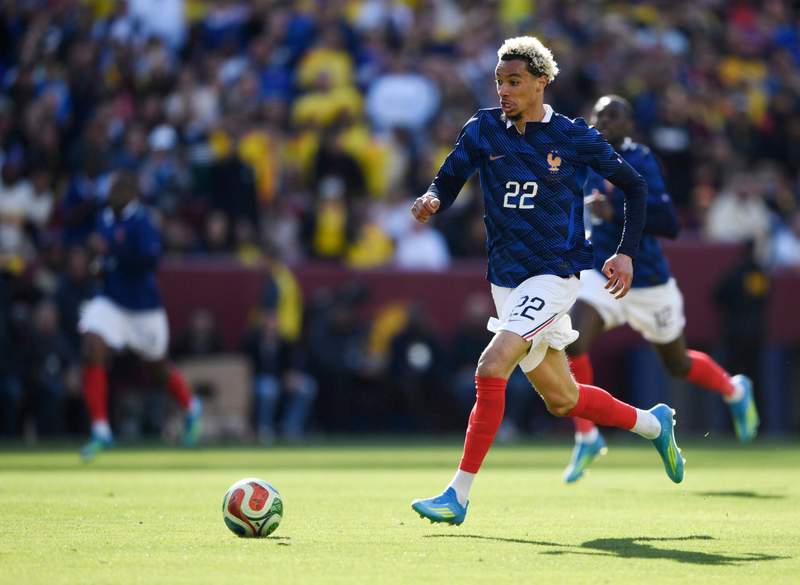
Consider the raw roster of the prematurely sidelined: a startling parade of skill, flair, and name recognition already scratched off FIFA’s prospective lists. From Mexico, a key defender like Rodrigo Huescas finds himself grounded. Canada’s Marcelo Flores, an attacking midfielder whose nation sorely needs his spark, won’t make it. The samba kings of Brazil—they’re losing heavyweights, too. Eder Militão, Rodrygo—names that resonate through European leagues—are just a few who’ve been felled by the unrelenting demands. Billy Gilmour, a creative force for Scotland, likewise sits out. Morocco, a team that electrified the last tournament, misses Hamza Igamane. And the roll call continues: the USA’s Johnny Cardoso, Germany’s Marc-André ter Stegen, the Netherlands’ Matthijs de Ligt, Japan’s Kaoru Mitoma, France’s Hugo Ekitike, Ghana’s Mohammed Kudus. Each name represents not just a missing player, but a dent in their nation’s hopes and, frankly, the tournament’s spectacle.
It’s not just bad luck. It’s systematic. According to a 2022 analysis published in the British Journal of Sports Medicine, elite footballers are now logging, on average, 12% more minutes on the pitch annually compared to a mere decade ago, which directly correlates with a significantly escalated injury risk. But what can you do, eh? The money’s gotta keep flowing. Global viewership demands it, sponsors expect it. FIFA president Gianni Infantino, often caught between grand pronouncements and cold financial realities, once commented on player welfare, saying, “We’re deeply concerned about the well-being of our athletes, naturally. But the global appetite for this beautiful game—it just keeps growing, doesn’t it? Striking that balance, it’s the perpetual challenge of our era.”
Meanwhile, the coaches on the ground are less diplomatic. France’s national team coach, Didier Deschamps, whose squad routinely battles squad fitness issues, recently mused, “You prepare for years. You scout, you build a squad, a dream. Then a split second on a club pitch, thousands of miles away, — and it’s all undone. It’s brutal. We ask too much of these lads, don’t we?” You bet they do. The human body has its limits, but the global football machine? Its appetite knows no bounds.
📄 POLICY WIRE WHITEPAPER PUBLISHED: PAKISTAN'S NATIONAL SECURITY POLICY PRIORITIES
👉 READ BY CLICKING HEREFor aspiring football nations, particularly across the Muslim world—places like Pakistan, Bangladesh, or Egypt—this elite level of attrition offers a sobering glimpse into the brutal economics of the sport. Their own players dream of the European leagues, of World Cup glory. But that path, increasingly, looks like a gilded cage, where your physical capital is constantly at risk, burnt up by schedules crafted in distant boardrooms rather than by sports science. Fans in Karachi or Cairo won’t just miss a favorite Brazilian forward; they’ll quietly absorb a lesson about the uncompromising nature of top-tier sport and its global economic logic.
What This Means
This escalating casualty list for the 2026 World Cup isn’t just a sports footnote; it’s a stark policy problem. First, it threatens the brand equity of FIFA’s marquee event. Nobody pays top dollar to see a second-string squad. Broadcasters, sponsors, and fans alike expect the absolute best, yet the relentless club calendar directly undermines that promise. Fewer stars, less sparkle. It’s simple maths.
And then there’s the broader issue of player power. Or rather, the lack thereof. Athletes, despite their celebrity, remain employees within a sprawling industry that frequently prioritizes profit margins over player health. We’re witnessing a macro-economic imbalance play out on the microscopic stage of ligaments — and cartilage. Because it’s clear: club — and international calendars need a serious, comprehensive overhaul. This isn’t a plea from bleeding hearts; it’s a necessary calculation for the sustainability of the sport’s very appeal. The global industrial gambit of football isn’t working if its most prized components are perpetually broken. Ultimately, it’s going to take a concerted effort from all stakeholders – FIFA, UEFA, CONMEBOL, player unions, even national governments – to establish sane scheduling policies. Otherwise, the World Cup risks becoming an increasingly diminished spectacle, a shadow of its potential glory, simply because the machine ate its own.