


Jerusalem’s Bench Orders Transparency Amid Prisoner Plight: A Hard-Won Gain?
POLICY WIRE — Jerusalem — For families living on the frayed edges of hope, news from behind bars often feels like a rumor, a whisper carried on an uncertain wind. Now, the Supreme Court in Jerusalem,...

POLICY WIRE — Jerusalem — For families living on the frayed edges of hope, news from behind bars often feels like a rumor, a whisper carried on an uncertain wind. Now, the Supreme Court in Jerusalem, Israel’s highest judicial body, has tossed a stone into that opaque pool of information, mandating something many human rights groups have spent years—decades, really—fighting for: open access.
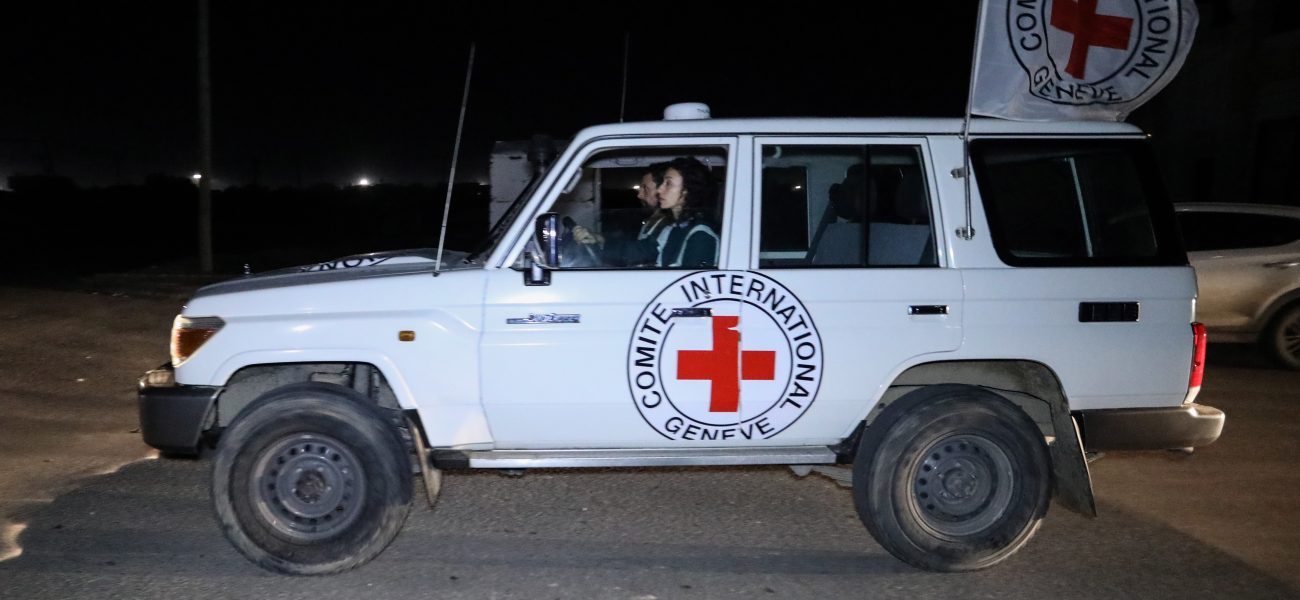
It’s a big deal. The court’s unequivocal ruling demands that the International Committee of the Red Cross (ICRC) be granted permission to visit Palestinian prisoners held by Israeli authorities. Not sometime. Not maybe. But consistently, routinely, as international law presumes. This isn’t just about knocking on a cell door; it’s about piercing a long-standing veil of official opacity that has fed suspicion and amplified cries for justice, reverberating far beyond the confines of the detention facilities themselves. And, frankly, it throws a significant wrench into the finely tuned mechanisms of control that have dictated prisoner access for too long.
The decision came down after a lengthy legal battle, fueled by human rights organizations and, increasingly, international pressure. For years, the level of access granted to the ICRC—the Geneva Convention’s designated neutral intermediary—has been inconsistent at best, often dictated by political winds or security considerations, sometimes loosely defined ones. “This isn’t merely a procedural victory; it’s a restoration of basic decency,” declared Nadia Hassan, a seasoned lawyer with Adalah, a prominent legal center for Arab minority rights in Israel, after the ruling. “Our clients, our people, have been held in conditions where their very existence felt forgotten. Transparency—it’s the minimum, you know?”
But the government, particularly its more hawkish elements, isn’t exactly doing cartwheels. Balancing state security with humanitarian obligations has always been a thorny business in Israel, where every detained individual can, rightly or wrongly, be painted as a threat. “Israel remains a nation of laws, even under immense pressure,” remarked Eli Cohav, a spokesperson for the Ministry of Justice, in a somewhat terse statement earlier today. “The court’s decision reflects our commitment to legal frameworks, yes, but we must also manage legitimate security needs and intelligence operations without compromise.” It’s a tightrope act, always has been.
The statistics tell a stark story here, — and it’s a cold one. As of early 2024, Addameer, the Prisoner Support and Human Rights Association, reported approximately 9,300 Palestinian political prisoners in Israeli jails—a figure that has surged dramatically since October 2023. These aren’t just numbers; they’re sons, daughters, fathers, mothers—often held for months without family visits, and sometimes for even longer without unimpeded access from organizations like the ICRC. It creates an almost unbearable strain on communities.
This ruling, while geographically specific, sends ripples across a much wider sphere. For many Muslim-majority nations, particularly in the Middle East and South Asia—Pakistan, for instance, has always been an outspoken advocate for Palestinian rights—the treatment of Palestinian prisoners is a highly charged emotional and political issue. Any perceived slight, any human rights transgression, becomes fodder for broader international condemnation of Israel. This judicial directive, even if internally driven, might be interpreted as a subtle nod to global pressure, a small, begrudging step toward aligning practices with stated international commitments. It won’t heal all wounds, not by a long shot, but it certainly won’t hurt diplomatic conversations. Similar issues around international access to sensitive sites—or people—have historically strained relations with other states, demonstrating just how potent these directives can be.
📄 POLICY WIRE WHITEPAPER PUBLISHED: PAKISTAN'S NATIONAL SECURITY POLICY PRIORITIES
👉 READ BY CLICKING HEREWhat This Means
This Supreme Court ruling isn’t just a legalistic pronouncement; it’s a political pressure cooker lid rattling. On one side, it offers a sliver of legitimacy to Israel’s often-criticized judicial independence, showcasing a court willing to push back against executive discretion, even in highly sensitive security matters. This matters, particularly when the current Israeli government has faced its own internal battles over judicial reforms. It suggests there’s still a mechanism for internal checks, albeit one frequently at odds with the ruling coalition.
On the other hand, it undeniably raises the stakes for the government. They now face the unenviable task of implementing a directive that powerful factions will see as an unnecessary capitulation, a softening on security, or a bureaucratic overreach. This could lead to fresh tensions within the cabinet, or—more likely—creative interpretations of “access” that still aim to limit true transparency. For human rights groups, it’s a win, but not necessarily the end game. They’ll be watching. They’ve gotta, right? The practical reality of enforcing such a broad order across a complex detention system won’t be without its logistical—and political—headaches.
And then there’s the international perception. While Israel often defends its actions as necessary for national security, its adherence to humanitarian law is frequently scrutinized. This ruling, while an internal one, could serve as a useful talking point for Israel on the global stage, showcasing a commitment to international norms. But make no mistake, for many in the international community, particularly those who see the broader Israeli-Palestinian conflict through a lens of occupation and systemic injustice, this is merely a small rectification of a deeply entrenched problem—a legal concession rather than a genuine shift in policy. It’s a pragmatic move more than a moral awakening, if you catch my drift. Don’t go expecting rainbows.
And because the implications here touch on the most basic tenets of humanitarian law, this case offers a grim reminder that even established international protocols often require court orders to be respected on the ground. It speaks to a broader trend of legal systems wrestling with fundamental rights against state power.