


Silent Night? Christmas Eve Bowl Game Ignites Culture Wars of Commerce vs. Tradition
ALBUQUERQUE, N.M. — Policy Wire Exclusive — Forget carols by the fireside; this Christmas Eve, American football is muscling its way onto the holiday tableau, forcing families to choose between...

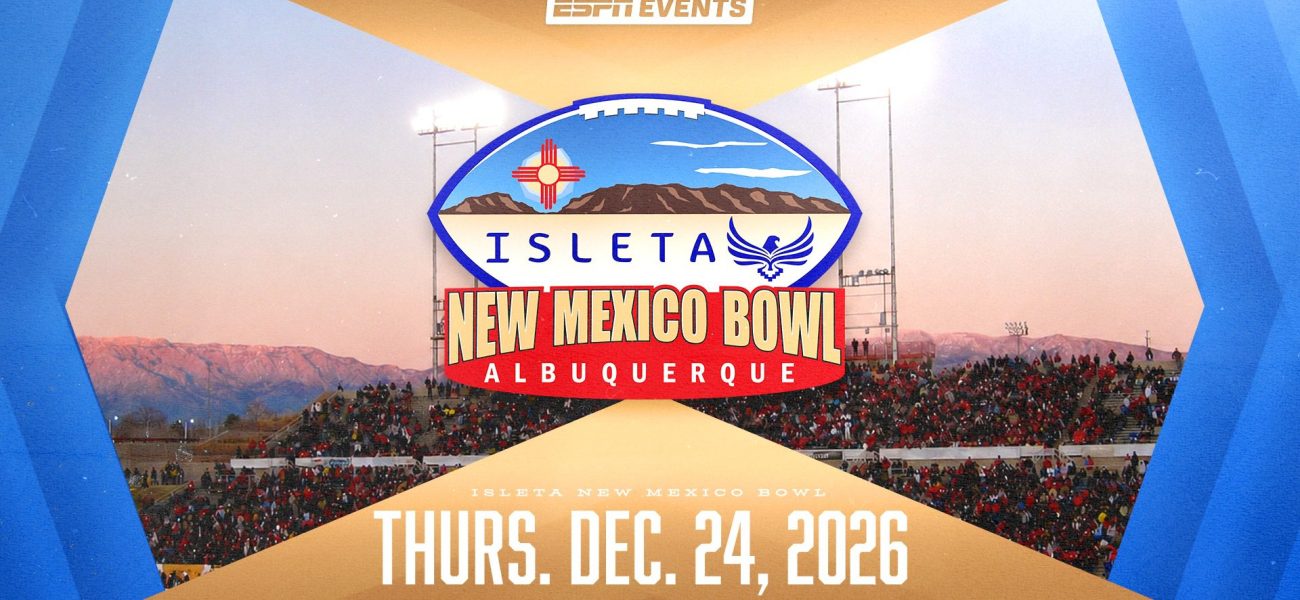
ALBUQUERQUE, N.M. — Policy Wire Exclusive — Forget carols by the fireside; this Christmas Eve, American football is muscling its way onto the holiday tableau, forcing families to choose between tradition and touchdown. In a move that’s raised more than a few eyebrows, the 2026 Isleta New Mexico Bowl, set for the University of New Mexico’s turf in Albuquerque, has officially scheduled its kickoff for 12:30 p.m. local time on December 24th, airing live on ESPN. It isn’t just a game; it’s a very public experiment in where modern society—and its entertainment giants—draw the line.
For decades, Christmas Eve meant something. It wasn’t merely the day before a major holiday; it was a prelude, an evening of final preparations, quiet reflection, and, for many, deeply ingrained spiritual observances. But those notions seem increasingly quaint to media empires chasing every available eyeball. The gridiron, it appears, waits for no holy night. This year, the thud of shoulder pads will contend with the soft rustle of gift wrap.
The decision to host the bowl on such a loaded date marks a stark calculation from ESPN — and its partners. But are they simply tapping into an evolving consumer behavior, or actively shaping it? Many families, have completed the mad dash for presents — and groceries by midday. But still. It’s Christmas Eve. Johnathan Thorne, Vice President of Programming for ESPN, certainly doesn’t pull any punches when asked about the thinking. “Look, we track everything. Data isn’t subtle,” Thorne told Policy Wire. “Families are together, often unwrapping a present or two early. They’re grazing. And when other programming slows down, we’re there. It’s strategic. We’re offering engaging content during a proven high-availability window. The numbers tell us people want it.”
Yet, the enthusiasm isn’t universally shared. Dr. Anya Sharma, Athletic Director for the University of New Mexico—whose Lobos call University Stadium home—sounded a more circumspect note. “We’re incredibly proud to host the New Mexico Bowl for the 21st time; it brings fantastic exposure to our institution,” Sharma admitted, choosing her words carefully. “But, yes, Christmas Eve presents unique logistical and cultural challenges for our staff, our volunteers, even for attending fans. It’s a day laden with personal significance. We’re asking quite a bit of everyone, aren’t we, by scheduling around, well, everything?”
Her point is well taken. While North Texas claimed victory over San Diego State in last year’s 20th edition of the game—a contest without such calendar baggage—this iteration lands differently. It lands when shoppers are still scrambling for those last-minute finds, when travel headaches peak, and when culinary preparations for the Christmas feast begin in earnest. But perhaps that’s the point. According to Nielsen data from 2023, holiday TV viewership, particularly on cable, saw an average 7% uptick in afternoon slots during the last two weeks of December compared to previous months. Maybe there’s a captive audience after all, looking for a break from their kin. Beyond the Hail Mary, indeed.
📄 POLICY WIRE WHITEPAPER PUBLISHED: PAKISTAN'S NATIONAL SECURITY POLICY PRIORITIES
👉 READ BY CLICKING HEREThis scheduling reflects a broader trend of commercial calendars overriding cultural ones. You see it with everything from Black Friday encroaching on Thanksgiving, to summer holidays becoming just another sales season. And this isn’t solely an American phenomenon. Think about how many nations across South Asia or the Muslim world, though vastly different in their own traditions, now observe Western sales events like Eid sales that parallel American consumer habits. Globalisation, it turns out, isn’t just about trade routes; it’s about homogenized leisure schedules too.
What This Means
The Isleta New Mexico Bowl’s Christmas Eve slot isn’t just a scheduling quirk; it’s a revealing canary in the coal mine for the escalating battle between traditional cultural touchstones and aggressive corporate monetization strategies. Economically, this move makes a certain cold sense: secure a broadcast window with high potential viewership when major league sports are mostly dormant. It’s an exercise in demand creation, plain — and simple. Networks and sponsors aren’t just selling a game; they’re selling a new way to spend your holiday, subtly chipping away at communal norms.
Politically, while no overt legislation will address a college football game, the underlying tension speaks to a larger cultural shift. What does a society value when sacred days become commercial opportunities? This isn’t just about Christian traditions either. Across the globe, from the devout households in Pakistan celebrating Eid al-Adha, to Hindu communities observing Diwali, the struggle to preserve unique cultural rhythm against the relentless march of globalized commerce is real. This little bowl game in Albuquerque is, in its own peculiar way, a microcosm of that dynasty in doubt: the dynasty of unplugged holidays. The societal implications ripple, forcing contemplation on the true cost of ‘always-on’ entertainment and its steady erosion of the shared, sacrosanct spaces our holidays once provided. For now, pass the remote, — and maybe a little more eggnog.