
Digital Dust-Up: Starmer Clashes with Musk Over Online Disinformation
POLICY WIRE — London, UK — It’s a bitter truth, often whispered but rarely declared with such sharp-edged candour: the algorithms don’t care about your pain. They just want your eyeballs, your...

POLICY WIRE — London, UK — It’s a bitter truth, often whispered but rarely declared with such sharp-edged candour: the algorithms don’t care about your pain. They just want your eyeballs, your rage. But this week, a fresh layer of digital sludge accumulated, prompting Britain’s would-be Prime Minister, Sir Keir Starmer, to throw down a gauntlet before the undisputed ringmaster of the online circus, Elon Musk.
No, this wasn’t some arcane policy debate on parliamentary procedure. It was far messier, far more human—and deeply political. At its core lies the tragic Nowak murder, an event that, in a saner world, would provoke quiet mourning. Instead, Starmer contends it became another bloody arena for the kind of manufactured division that tech titans seem, at best, unable to control and, at worst, complicit in propagating across their vast, unholy empires.
“It’s an abdication of responsibility, plain and simple,” Starmer declared, his voice tight with unconcealed frustration during a Monday morning presser. “When platforms become vectors for calculated malice, amplifying sorrow for political gain—well, that’s not ‘free speech’; that’s corrosive. That’s poisoning our discourse, carving new rifts where healing is desperate work.” He didn’t mince words, connecting Musk’s digital fiefdom, Platform X (formerly Twitter, if anyone still bothers remembering), directly to a surge of divisive narratives surrounding the ghastly crime.
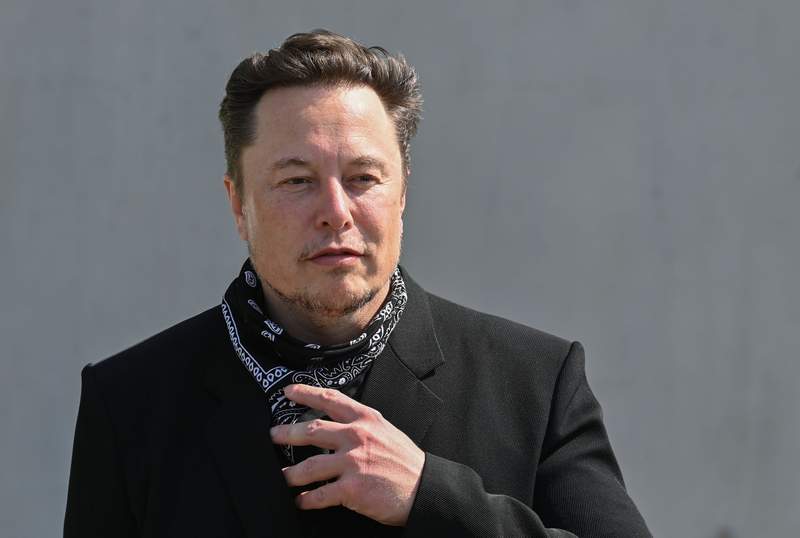
And Musk, predictably, fired back, albeit with characteristic online nonchalance. A single, cryptic post—or perhaps a defiant one—appeared hours later on his own platform. “We built a town square,” it read, devoid of context, yet resonating with intent. “People say what they want. If some politician doesn’t like uncomfortable truths, maybe they should try explaining them better, not censoring platforms.” The subtext was clear: freedom over fragility, always.
The clash marks another uncomfortable chapter in the evolving saga of how political leaders reckon with the ungoverned wilds of social media. For Starmer, leader of the Labour Party, challenging Musk isn’t just about optics; it’s about defining the moral boundaries of public life in a deeply interconnected age. It’s about drawing a line in the digital sand, telling the world that British political leaders won’t stand idly by while algorithms feed hate to the masses, turning local tragedies into global culture wars.
Consider the far-reaching ripple effects such narratives have. In nations like Pakistan, where digital literacy varies widely and ethnic or sectarian fault lines are often exacerbated by online rhetoric, the stakes couldn’t be higher. News, especially grim news, often ricochets across borders, interpreted—and often misconstrued—through various ideological lenses. Platforms like Musk’s become a megaphone for voices that deliberately fan flames, sowing discord where unity is vital. Because what starts as an argument over an incident in Europe can quickly morph into justification for prejudice thousands of miles away, perhaps against a minority community in Karachi or a diaspora group in Bradford.
📄 POLICY WIRE WHITEPAPER PUBLISHED: PAKISTAN'S NATIONAL SECURITY POLICY PRIORITIES
👉 READ BY CLICKING HEREA sobering data point reinforces this troubling trend: a 2023 report by the Disinformation Research Centre indicated that narratives explicitly designed to inflame ethnic or religious tensions saw a 30% surge in engagement on Platform X following specific high-profile news events that were widely discussed offline. That’s not mere chatter; it’s engineered toxicity, metastasizing.
What This Means
This escalating rhetorical fight between Starmer — and Musk holds significant political and societal implications. For Starmer, it’s an opportunity to frame Labour as the party of responsibility, ready to tackle the difficult questions of tech accountability, setting himself apart from a Conservative government that’s often appeared slower to confront Silicon Valley giants. It signals a willingness to engage in—and possibly dictate—the terms of the digital debate, appealing to an electorate increasingly weary of online acrimony and its real-world consequences. His challenge isn’t just to Musk, but to the entire tech ecosystem: you can’t simply shrug off the impact your tools have on human society.
Economically, if such demands for greater moderation or regulation gain traction, it could mean stiffer compliance costs for global tech companies operating in the UK. Musk’s libertarian-adjacent stance, though popular with some, increasingly alienates political mainstreamers who are waking up to the destructive potential of unbridled digital dissemination. This isn’t just about platform liability for illegal content; it’s about the more slippery, yet equally dangerous, terrain of legitimate but incendiary speech. The UK’s online safety bill might be one front, but the real battle, it seems, is over the very soul of the ‘digital town square’ and who gets to set its rules of decorum—if any.