

Ash and Broken Promises: Sri Lanka’s Elders Pay the Ultimate Price
POLICY WIRE — Colombo, Sri Lanka — The scent of burnt timber and the grim pallor of smoke still clung to the air Thursday, hours after dawn broke over Anguruwatota. But it wasn’t just physical debris...

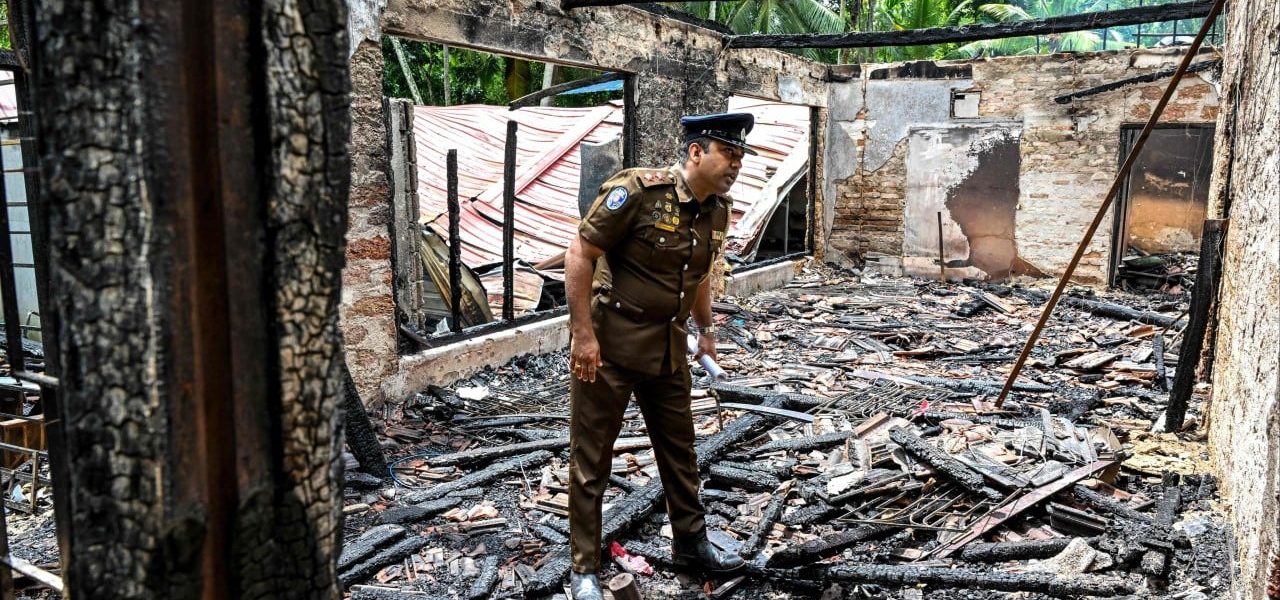
POLICY WIRE — Colombo, Sri Lanka — The scent of burnt timber and the grim pallor of smoke still clung to the air Thursday, hours after dawn broke over Anguruwatota. But it wasn’t just physical debris left smoldering in the ruins of a care home for the aged, 55 kilometers south of Sri Lanka’s commercial hub. What’s truly charred, many here reckon, are the tattered remnants of a nation’s social safety net—its implicit promise to its most vulnerable citizens.
Twelve people, frail — and forgotten, were simply gone. Consumed by flames in a blaze that ripped through their supposed sanctuary. It’s a gut-wrenchwrenching scene. Eight others cling to life in hospital wards, their bodies seared, their future uncertain. Police didn’t mince words. They’d arrested the facility’s director. It’s about more than just a fire, isn’t it? It’s about how Sri Lanka treats its golden oldies, especially when times are lean.
“We’re treating this as a severe dereliction of duty, potentially criminal negligence,” confirmed SSP Nihal Thalduwa, the police spokesperson, his voice tight with professional resolve as he briefed reporters in Colombo. “An investigation is on, full steam ahead. Justice, it’s gotta be done for these people.” You can tell he’s not just talking to the press. He’s talking to the island. He’s talking to himself, maybe, trying to square what happened with a nation that prides itself on compassion. But it’s not always so simple.
The authorities managed to pull 51 individuals—scared, confused, but alive—from the burning structure. They’re now in the temporary care of the military and local officials, which sounds grand, until you picture displaced, elderly folks sleeping on cots in some public hall. It’s a sad state. Sri Lanka, grappling with an economic crisis of its own making—or unmaking—has been shedding social spending faster than an old coconut palm drops its fronds. Budgets are tight. Institutions that used to quietly hum along are now strained to their breaking point. And this is the ugly truth of it: old people are often the first to feel that squeeze.
Hon. Ranil Jayawardena, Minister of Social Services, expressed profound sorrow. “My heart just breaks for the families. Truly it does. Every one of them,” he intoned, standing before a backdrop of local officials looking grim-faced. “But look, this incident, tragic as it’s, shines a light on something we’ve just got to address: the standard of care for our elderly, especially when public coffers aren’t what they used to be.” It’s a politician’s pivot, sure, but he isn’t wrong about the underlying problem. Who’s watching the watchers? Who ensures these facilities, many privately run, are up to scratch?
📄 POLICY WIRE WHITEPAPER PUBLISHED: PAKISTAN'S NATIONAL SECURITY POLICY PRIORITIES
👉 READ BY CLICKING HEREBecause Sri Lanka isn’t alone in this boat, not by a long shot. Across South Asia, countries face a quiet demographic reckoning. Our region is aging, and fast. In Pakistan, in India, across much of the Muslim world where traditional family structures are rapidly urbanizing and disintegrating, care for the elderly often falls into a nebulous zone of expectation versus reality. Private operators spring up to fill the void, sometimes with the best intentions, sometimes—well, you know the drill. It’s capitalism with a human cost. By 2041, Sri Lanka’s population over 60 is projected to swell to nearly 25 percent—a quarter of the country—making it one of the fastest aging nations in its corner of the globe. That’s a staggering societal burden, if not planned for.
What This Means
This blaze isn’t just a localized tragedy; it’s a terrifying alarm bell ringing for Sri Lanka’s policymakers. Its political implications are significant, challenging President Ranil Wickremesinghe’s administration to demonstrate it can manage more than just macro-economic woes. This incident exposes a systemic vulnerability that many probably thought was tucked away, out of sight. You can bet public pressure will mount for immediate reviews of all elder care facilities, public — and private. But here’s the kicker: with budgets stretched thin, real, substantive upgrades—sprinkler systems, fire escapes, trained staff—they’ll be a huge lift. And the government is caught between appeasing a grieving public — and confronting fiscal realities.
Economically, it throws a wrench into the whole ‘attracting foreign investment — and tourism to bounce back’ narrative. It suggests an underlying weakness in social infrastructure that might give investors pause. You don’t want headlines about neglected elders dying in fires if you’re trying to portray a modern, well-governed nation. It puts a very stark human face on austerity, doesn’t it? The cost of neglect, as always, is far greater than the cost of prevention. The government, fresh off tough IMF negotiations, will have to figure out how to allocate funds to social welfare without jeopardizing fragile economic stability. It’s a cruel math problem, isn’t it? And right now, it seems a dozen people have paid the price for Sri Lanka’s inability to solve it.