

India’s Exam Nightmare: How Leaked Dreams Haunt Modi’s Promise to Youth
POLICY WIRE — New Delhi, India — It wasn’t the sound of firecrackers heralding celebrations. Nor was it the usual cacophony of street vendors hawking their wares. No, the recent hum in India’s...

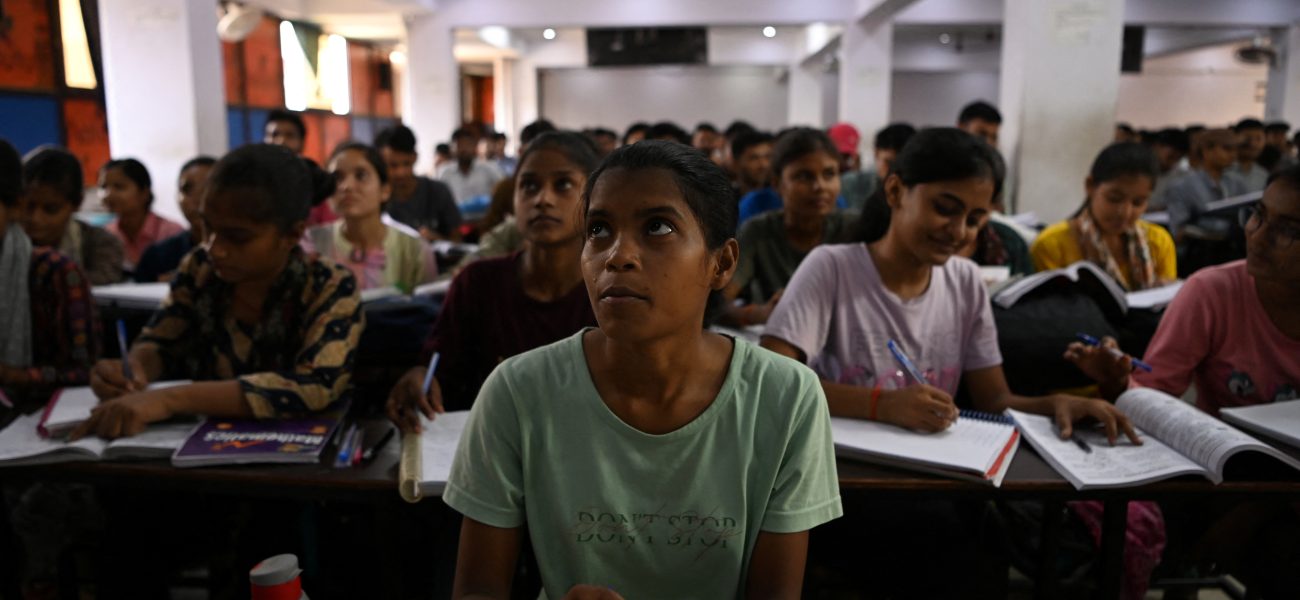
POLICY WIRE — New Delhi, India — It wasn’t the sound of firecrackers heralding celebrations. Nor was it the usual cacophony of street vendors hawking their wares. No, the recent hum in India’s bustling metropolises has been a dissonant chord of raw, incandescent fury, emanating not from political rallies, but from the hearts of millions of exasperated students. The grand promises of meritocracy, those carefully spun narratives of hard work leading to upward mobility—they’re just crumbling, bit by bit. They really are.
Because, for weeks, India’s examination system, the veritable gatekeeper to university seats and coveted government jobs, has been a complete shambles. It started with whispers, then grew into a roar as reports confirmed that high-stakes national examinations—including the National Eligibility cum Entrance Test (NEET) for medical colleges and the UGC-NET for university lectureships—were compromised. Leaked papers, inflated scores, allegations of malfeasance reaching from coaching centers to national testing bodies. It’s a classic South Asian tale, isn’t it? A nation obsessed with academic validation, where a single exam score can dictate a family’s destiny, suddenly grappling with the stark reality that the very integrity of that system is, well, quite thoroughly busted.
And what’s worse, the anger isn’t just about the practical nightmare of re-examinations. It’s about trust. It’s a gaping wound in the social contract between the state — and its most aspirational youth. This isn’t just a few exam papers; it’s the institutional decay that allows such systemic exploitation to thrive. “This isn’t an issue of isolated incidents; it’s a systemic rot that begins with unchecked greed and ends with honest students paying the price,” remarked an opposition MP from West Bengal, Meena Chatterjee, her voice sharp with condemnation. “The government’s silence isn’t just deafening; it’s complicit.”
Prime Minister Narendra Modi, a man who has painstakingly cultivated an image of strong, decisive leadership and a champion of the youth, now finds himself in a most awkward position. He’s built his brand on progress and good governance, but the smell of scandal hanging heavy over exam halls threatens to chip away at that carefully constructed edifice. You see, the young, aspiring demographic has long been a bedrock of his support. They’ve bought into the dream. But now? That dream feels like a cruel joke. Many young people, their dreams paused or shattered, are demanding accountability, not just apologies.
This isn’t an isolated incident affecting some obscure corner of the subcontinent; it’s a mirror reflecting regional anxieties. Across Pakistan, Bangladesh, and other parts of South Asia, young people grapple with similar pressures, their futures hinging on similarly high-stakes, often vulnerable, examination systems. The struggles for fair educational pathways and clean governance aren’t geographically confined; they’re a shared challenge, exacerbating a brain drain where those who can afford it simply look elsewhere. The cost of this systemic breakdown isn’t trivial either: a recent assessment by the Delhi Policy Group suggested that rescheduling and conducting re-examinations could cost the exchequer upwards of INR 200 crore – roughly $24 million USD – not accounting for the immeasurable loss of student productivity.
📄 POLICY WIRE WHITEPAPER PUBLISHED: PAKISTAN'S NATIONAL SECURITY POLICY PRIORITIES
👉 READ BY CLICKING HEREThe government’s response has been, predictably, a mix of damage control — and belated reassurances. Education Minister Dharmendra Pradhan, often a vocal advocate for educational reforms, downplayed the scope of the problem initially before reversing course and admitting to some ‘institutional failings.’ “Our commitment to fair assessment remains absolute, and we’re taking every step to prevent future recurrences,” he declared in a recent press briefing, attempting to calm frayed nerves. “We won’t let a few bad apples spoil the future of millions.” But for a generation that feels perpetually on the brink, constantly battling for scarce resources, that promise feels terribly, terribly hollow.
What This Means
This exam fiasco isn’t merely an administrative hiccup; it’s a political headache of monumental proportions for PM Modi’s government. Politically, it erodes trust among a key demographic – the young, educated, aspirational voter base – which has historically been critical for the Bharatiya Janata Party (BJP). The youth often prioritize merit and opportunity, and seeing these pillars undermined could shift their allegiances, particularly as unemployment remains a persistent concern. The opposition, despite its often fragmented nature, now has potent ammunition, painting the administration as incapable of safeguarding even the most fundamental institutions of opportunity. For more on how institutions face unexpected pressures, consider reading about Trump’s Iran Quandary: A Dangerous Pause That May Box In Washington.
Economically, the implications are similarly stark. Delayed results mean delayed university admissions, pushing back career starts and injecting uncertainty into the lives of millions. This lost productivity and deferred economic activity are significant, not to mention the financial strain on families forced to endure prolonged coaching or re-application processes. if the perception of India’s examination system becomes permanently tarnished, it could impact the country’s standing as an emerging knowledge economy, potentially deterring foreign investment in education and human capital development. It’s a harsh lesson on the ripple effect of corruption – even seemingly isolated instances can shake foundational beliefs. Perhaps like an athlete’s journey where the road to success is often fraught with unexpected challenges and resilience, as explored in Krunal Pandya’s Unconventional Path to IPL Glory, nations too face brutal trials of integrity.