


From Ration Cards to Royal Challengers: Krunal Pandya’s Unconventional Path to IPL Glory
POLICY WIRE — Mumbai, India — Before the glittering stadia, before the roar of packed IPL arenas, before the hefty contracts and the glare of television cameras, Krunal Pandya wasn’t just a budding...

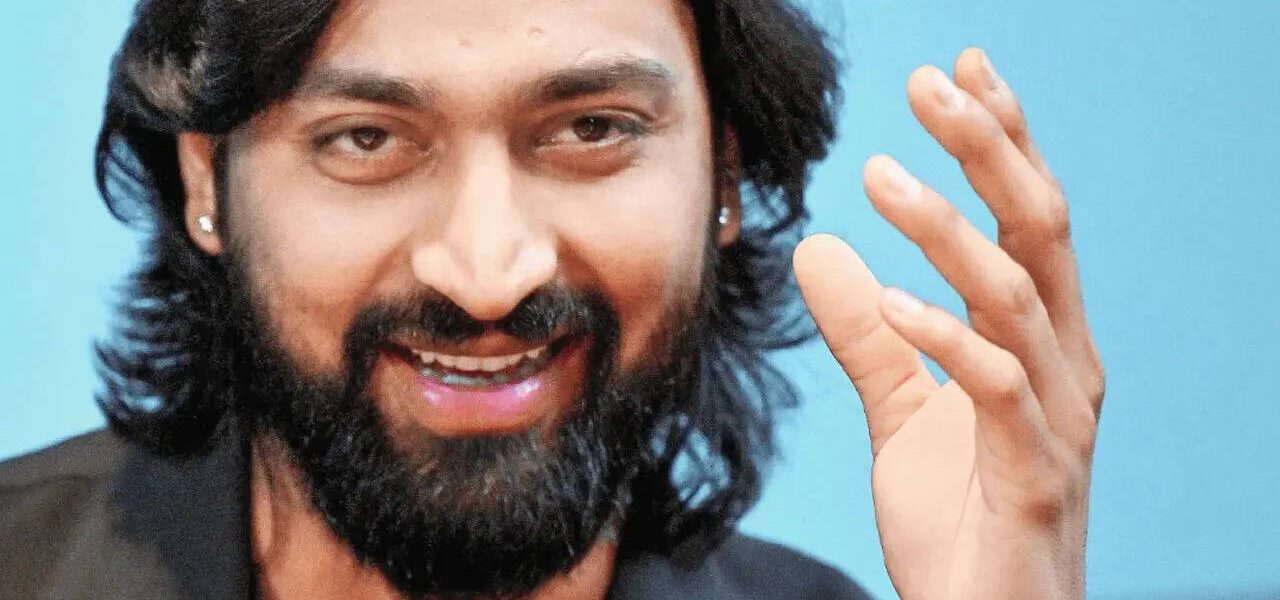
POLICY WIRE — Mumbai, India — Before the glittering stadia, before the roar of packed IPL arenas, before the hefty contracts and the glare of television cameras, Krunal Pandya wasn’t just a budding cricketer. He was a passport agent. A car broker. A boy of 12 navigating the complex world of paperwork, affidavits, and secondhand car sales in the bustling streets of Baroda. It’s this improbable, hard-nosed journey—far from the usual groomed path of athletic stardom—that truly defines the man currently holding five IPL winner’s medals, fresh off a second consecutive title with Royal Challengers Bangalore.
Most athletes dream of glory; Pandya seems to have wrestled it into submission, brick by hard-won brick. He sauntered into a Times of India interview recently, impeccably dressed but momentarily paused. Not for the photographers, not for the assembled press, but to quietly remove his shoes and offer a brief prayer before a small Ganesha idol. A flicker of piety before the onslaught of public expectation—it was a telling moment, revealing a man deeply rooted despite his spectacular, glittering successes. His spiritual grounding, he suggests, is as much a part of his game as his sharp-witted bowling.
Krunal’s candidness about his unconventional pre-cricket hustles—making ration cards, running paperwork errands (even visiting the Times of India office for newspaper cuttings to fix identity anomalies)—paints a stark picture. “I’ve seen life at a very young age from very close quarters,” he mused, a casualness masking years of hard grind. “So I guess when I play the sport, I play the same way. I don’t give up.” That early immersion in the nitty-gritty of existence, the relentless negotiation with bureaucracy and fate, molded an inner resolve that arguably contributes more to his “clutch” performances than any gym session could. This street-smart foundation, familiar to millions across South Asia, has shaped not just his character but his playing style, a blend of instinct and strategic aggression.
His recent triumphs—those back-to-back IPL titles, etching RCB’s name onto the trophy—come in an era where T20 cricket is often seen as a batter’s paradise. But Pandya, a left-arm spinner, hasn’t just survived; he’s thrived. “I have realised that cricket, especially batting, has evolved in the IPL. To have longevity and impact as a bowler, you have to evolve too,” he remarked, his voice edged with a competitive calm. This season alone, the IPL saw an astounding 62 instances where teams crossed the 200-run mark, as reported widely across sports media—a true challenge for any bowler. Yet, Pandya managed an economy rate around eight, a testament to his adaptability. He wasn’t just bowling; he was thinking, experimenting, deploying bouncers and slingers, forcing batters into uncomfortable choices. “It was about breaking the norm that a left-arm spinner can’t bowl to a left-hander and finding ways to stay one step ahead.” And it clearly paid off.
But it’s not all tactical genius. A profound loss, the death of his father in 2021, recalibrated his outlook. “That hole will be there forever in my life,” he confessed, surprisingly vulnerable for someone known for his on-field aggression. “But if you do spend time with your parents, then whenever you’ll remember them you’ll celebrate them more than have regret.” It’s a sentiment that transcends cricket, a universal truth whispered from a man who now plays with both a champion’s hunger and a profound sense of perspective. He isn’t one to overthink, however, particularly about that elusive national call-up after a five-year hiatus. “I don’t think too much about selection now,” Pandya asserted. “Of course, I am human — and there’s disappointment at times. But I am at a stage where I want to do my job wherever I play.” He seems to recognize that while talent gets you to the door, adaptability—and a fair bit of stubbornness—gets you invited back.
📄 POLICY WIRE WHITEPAPER PUBLISHED: PAKISTAN'S NATIONAL SECURITY POLICY PRIORITIES
👉 READ BY CLICKING HEREWhat This Means
Pandya’s narrative—from grinding bureaucracy to sports celebrity—resonates deeply within the broader socio-economic context of the Indian subcontinent. It’s not merely a rags-to-riches story; it’s a testament to the informal economy that props up countless families and the dreams it inadvertently fuels. His early experiences in practical problem-solving have clearly translated onto the cricket field, fostering a ‘whatever it takes’ mentality that echoes the struggles and ambitions of young hopefuls across India, Pakistan, and Bangladesh who see cricket not just as a game, but a tangible pathway to upward mobility. This makes him a folk hero in a different vein than many of his peers, representing an everyday tenacity rather than just pure athletic prodigy.
The IPL, despite its glitz, operates within this complex reality, transforming individual journeys into national spectacles and creating immense economic value. Pandya’s evolution as a spinner against batting trends highlights a commercial pressure point: while entertainment demands boundaries, the sustainability of the game rests on a balance between bat and ball. The debate over rules like the ‘Impact Player’ and ‘free-scoring’ pitches aren’t just technical discussions; they reflect an ongoing struggle between maintaining competitive integrity and maximizing viewer engagement, a delicate balance for any professional league globally.
He’s a survivor, Pandya is. And he seems to revel in the tough moments, perhaps because life threw bigger curveballs than any spinner ever could. With another season looming, the man who once pushed paperwork is now simply focused on pushing boundaries—his own, and perhaps, the future of T20 cricket itself. One thing’s clear: whether filling out forms or executing a perfect yorker, Krunal Pandya has always managed to stay one step ahead.