


Mound Antics Transcend Sport, Offer Glimpse Into Post-Earnest Public Psyche
POLICY WIRE — Boston, USA — Forget for a moment the geopolitical chess matches, the gnawing economic anxieties, or even the latest skirmishes across fractious borders. Sometimes, the most telling...

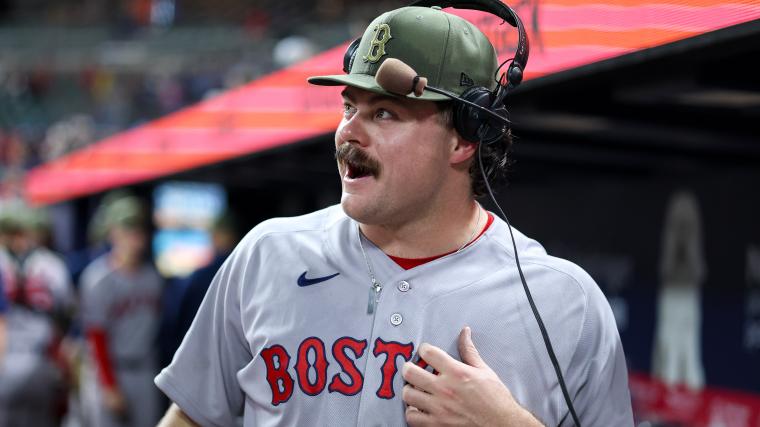
POLICY WIRE — Boston, USA — Forget for a moment the geopolitical chess matches, the gnawing economic anxieties, or even the latest skirmishes across fractious borders. Sometimes, the most telling barometer of a nation’s collective psyche emerges from the most unexpected corners—like a baseball mound in Boston. We’re often told sports builds character, sharpens discipline, demands unwavering focus. But then there’s Payton Tolle. And he didn’t just play baseball; he orchestrated a moment of pure, unadulterated comedic chaos that says more about modern celebrity and media consumption than any carefully curated public relations campaign could. You’d think that on-field professionalism would reign supreme. Not always. Not anymore, it seems.
This 23-year-old rookie pitcher, fresh from Stillwater, Oklahoma, arrived not on a wave of scouting reports extolling his curveball but rather on the back of an act of endearing, bizarre showmanship. You probably heard about it. He gave a presentation during Spring Training about the history of the United States. Fine. Then, because it’s Tolle, he ripped open his flannel shirt—a sartorial choice that says ‘Oklahoma kid who doesn’t quite care about high fashion’—to reveal ‘U-S-A’ shaved into his chest hair. Instant legend. We’re living in an age where authenticity, however weird, trumps a hundred perfect fastballs, or so the metrics tell us. This particular moment didn’t just create fans; it forged a viral legend, a sort of American folk hero for the TikTok generation, instantly generating social media engagement far beyond the typical pre-season chatter, proving that a unique persona can outpace traditional talent in the scramble for public attention. [QUOTE_PLACEHOLDER]
Because that’s how he’s rolled. He didn’t make the initial 26-man roster, obviously. But the call-up came quickly, after ace Garrett Crochet went down six starts into the season. And Tolle, summoned from obscurity to fill a significant void, brought his singular brand of joyful disruption right to the big league stage. He’s strengthened his fandom since then. The man doesn’t just pitch; he performs. His on-mound personality was on full, dazzling display on Wednesday night. It’s hard to imagine an athlete from, say, Pakistan’s national cricket team—a sport with a perhaps more serious, often religiously tinged, fan devotion—pulling off a similar chest-hair stunt without significant cultural repercussions or media hand-wringing. But here, for a Red Sox rookie, it’s just part of the charm offensive, part of the package.
He was in the middle of a solid performance, mind you, dealing through six scoreless innings against the Orioles. And then, second inning, something clicked. A moment of pure spontaneity. Or perhaps engineered happenstance. Whatever it was, Tolle’s antics on the mound utterly derailed the entire NESN broadcast. They couldn’t contain it. The professional, stoic voices of commentary just broke. It became a pure, unscripted laugh riot. It wasn’t a moment of skill or strategic brilliance. It was just Tolle being Tolle. An official NESN tweet perfectly captured the scene: ““TOUCHDOWN!” 🙌 OB and @LouMerloni were dying at this catch attempt from Tolle 😭”.
📄 POLICY WIRE WHITEPAPER PUBLISHED: PAKISTAN'S NATIONAL SECURITY POLICY PRIORITIES
👉 READ BY CLICKING HEREHe didn’t stop there, either. He was all smiles. While he was shutting down the Orioles lineup—the irony of his performance being secondary to his antics isn’t lost on us—he was simultaneously producing clip after clip for the digital realm. Another post, reflecting the zeitgeist, simply stated, “Payton Tolle, man 😂 Does anyone have more fun than this guy!? 🤦♂️”. This isn’t just about a ballplayer; it’s about a commodity in the attention economy. Analytics firms monitoring fan engagement routinely note that personality-driven content sees upwards of a 25% bump in sharing compared to purely athletic highlights, highlighting the outsized value of characters like Tolle. His ascent speaks to a broader cultural shift. In Pakistan, for instance, cricketing legends like Shahid Afridi, known for his aggressive batting and charismatic personality, captivated millions far beyond his statistical achievements, understanding implicitly that charm, audacity, and a touch of the unpredictable resonate profoundly with the masses. Tolle’s doing much the same, just with less bat, more blooper.
What This Means
The ascendancy of figures like Payton Tolle, where individual personality and viral moments often overshadow raw athletic statistics, provides a telling political and economic commentary. In an increasingly polarized world, the collective yearning for lighthearted escapism has reached a fever pitch. A momentary, shared laugh—unfiltered, seemingly genuine—serves as a vital antidote to the relentless drumbeat of global crises. For media organizations like NESN, such unscripted gold isn’t merely good content; it’s a monetizable asset, generating eyeballs, clicks, and advertising revenue that traditional, earnest sports commentary can’t always command. This phenomenon isn’t exclusive to America’s pastimes, either. Consider the political landscape, particularly in countries across South Asia or the Muslim world, where personality cults and charismatic leaders frequently eclipse substantive policy discussions. From the theatrical rallies of a politician to the sudden surge in popularity of a religious figure, the ability to generate a compelling, often viral, personal narrative—whether through chest hair or fiery rhetoric—proves far more potent in capturing public imagination than complex geopolitical analyses. For better or worse, the line between athlete — and entertainer, between statesman and showman, continues to blur. And the public, it seems, can’t get enough of it.
📖 GET YOUR FREE COPY NOW OF POLICY WIRE DIGITAL MAGAZINE JULY 2026 EDITION
👉 READ & DOWNLOAD FREE MAGAZINE