


Knicks’ Courtside Cohorts: The Unseen Economic Engine of Elite Athlete Branding
POLICY WIRE — New York, USA — When the New York Knicks square off against the San Antonio Spurs in the 2026 NBA Finals, kicking off this Wednesday, June 3, what most fans will see are high-flying...

POLICY WIRE — New York, USA — When the New York Knicks square off against the San Antonio Spurs in the 2026 NBA Finals, kicking off this Wednesday, June 3, what most fans will see are high-flying dunks and nail-biting finishes. But zoom out a bit. Just beyond the flash and the fervent cheer of Madison Square Garden, an equally intricate ecosystem hums—a multi-billion dollar operation centered not just on athletic performance, but on the curated lives and influential platforms of the athletes’ inner circles. It’s less about simple adoration and more about an unseen economic engine, diligently expanding the reach of sports franchises far past the baseline. They aren’t just cheering; they’re building empires.
These women—the wives, fiancées, and girlfriends—are an almost universally admired component of the modern sports spectacle. Often, they become de facto brand ambassadors, managing the delicate balance of public persona — and private support. They represent the aspiration, the lifestyle, and, frankly, the raw marketing power that undergirds professional basketball’s global dominance. You’ll catch ’em courtside, rocking outfits designed expressly for their partners, — and owning the digital narrative. They don’t just attend games; they extend the franchise’s story across Instagram, TikTok, and beyond.
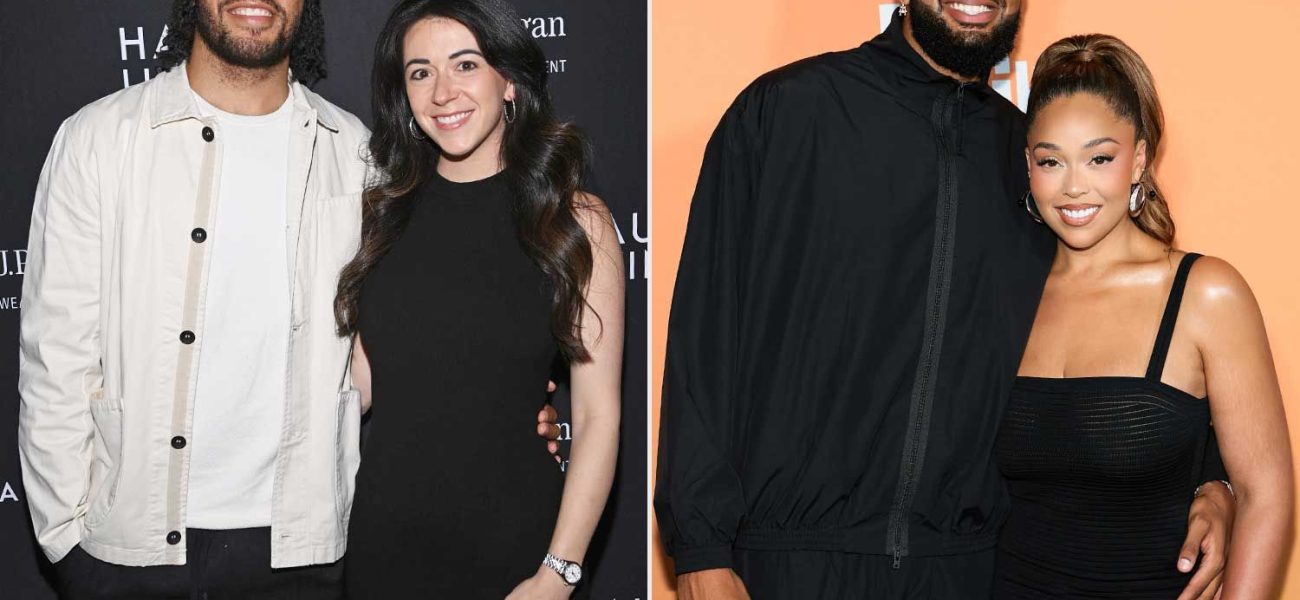
Take Jordyn Woods, the fiancée of Karl-Anthony Towns. She’s pulled up to nearly every Knicks game. You can’t miss her in those fashion-forward ‘fits. She doesn’t just do it for optics either. She’s got superstitious reasons. Her digital footprint—and thus Towns’—is extensive. Similarly, Ali Brunson, wife to star Jalen Brunson, is a staple, often with their young daughter, Jordyn. These are personal stories, yes. But they’re also invaluable humanizing elements, adding layers of relatability and engagement for an audience constantly craving connection to their heroes.
Ali’s journey with Jalen started in high school, back in October 2013. That’s a long haul, even going to their senior prom together in May 2015. After Brunson’s Villanova stint, Ali, with her doctorate in physical therapy from Northwestern, moved to Dallas. He later said, “She’s always been by my side and I’m lucky to have her.” He celebrated their union, stating, “I’m excited to celebrate this special milestone with all of our closest friends and family, who have been so supportive over the many years of our relationship.” This narrative of enduring partnership sells—it’s pure gold for PR, you see.
Jordyn Woods and Karl-Anthony Towns? They became Instagram official four months into dating. Woods has been candid about their bond, saying, “We know each other. We know each other’s hearts. We know each other on good days and bad days and we’ve been through a lot of bad days together,” after years of friendship. And Towns reciprocates. “My woman has held me down more than the world knows… My love for her knows no bounds and I would be remiss if I don’t acknowledge the power a good woman can have in your life.” It’s a classic Hollywood arc, repackaged for the digital age, playing out in real time.
And it’s not just the big names. Shannon Hart, wife to Josh Hart, is a registered nurse — and mother to twin sons, Hendrix Aaron and Haze Dana. Their love story began in 10th grade. Two years after their wedding, Hart posted on Instagram, “2 years in and there is no one I’d rather have by my side.” These are threads of Americana, woven into the fabric of big-money sports, reinforcing family values—at least, the marketable version. Miles McBride’s girlfriend, Ana Zortea, a former swimmer from Brazil, relocated for graduate school. She admitted, “People were coming up to him to take pictures with him, and I thought he was a famous TikToker or something,” when they first met. Imagine! Her own career on social media, she figured. They’ve since welcomed baby Ace, becoming sideline regulars. Even Landry Shamet’s girlfriend, real estate agent Cameron Aimonetti, is deep in the game. He’s called her “my rock through all that this life has to offer and there is nobody else I can imagine experiencing this journey with.” These women, through their distinct personalities and varied backgrounds, collectively generate millions of eyeballs and engagements, extending the sport’s magnetic pull globally. Because ultimately, it’s about reach, isn’t it?
📄 POLICY WIRE WHITEPAPER PUBLISHED: PAKISTAN'S NATIONAL SECURITY POLICY PRIORITIES
👉 READ BY CLICKING HEREThis brand expansion isn’t lost on observers in, say, Karachi or Lahore, where the NBA enjoys significant, if perhaps more niche, followings. American soft power, particularly through its cultural exports like basketball and Hollywood, continues to fascinate and influence audiences across South Asia and the broader Muslim world. The aspirational lifestyles these athletes and their partners represent—wealth, celebrity, public affection, and often, independent careers—resonate deeply, even when contrasting sharply with traditional norms in many communities. Their social media presence offers a curated, glittering window into American success. The global influencer marketing industry, estimated to be worth approximately $21.1 billion in 2023 (source: Statista), benefits directly from these micro-celebrity ecosystems that revolve around athletes. But let’s be real; these women aren’t just selling outfits or vacation spots. They’re selling a dream, subtly yet powerfully.
What This Means
The highly publicized lives of these athlete partners aren’t incidental to the multi-billion dollar NBA machine; they’re an essential, almost tactical, component. Their narratives, from high school sweethearts to social media powerhouses, inject humanity and aspirational gloss into what could otherwise be viewed as a mere contest of athletic ability. It’s an astute expansion of intellectual property. Each social media post, each candid photo, every bespoke courtside outfit becomes an indirect marketing channel, pushing team jerseys, merchandise, and even broader lifestyle brands. These individuals operate as informal, yet highly effective, spokespersons for the modern American Dream—the one fueled by exceptional talent, lucrative contracts, and impeccably managed public relations. This dynamic shapes fan engagement and deepens market penetration, especially in burgeoning global markets where American sports culture is often a vanguard of cultural influence, offering a glimmer of globalized prosperity, individuality, and achievement. It effectively broadens the definition of who, or what, actually constitutes an asset to a major sports franchise. What’s more, their visible careers—be it physical therapy, social media influence, or real estate—subtly challenge older archetypes of athlete partners, indicating a more integrated and independent economic role within this high-stakes ecosystem. This also affects how organizations like the NBA navigate the brutal economics of talent, transforming personal brands into corporate extensions. But the public loves it, mostly. And why wouldn’t they?
It’s about more than basketball; it’s about a vast network of personal branding, lifestyle aspiration, and, frankly, the shrewd commercial exploitation of emotional connection. The Knicks’ hopeful return to championship glory is as much a spectacle of on-court skill as it’s a carefully choreographed display of collective brand power, extending through every social media feed and courtside sighting. This integrated model is only getting more refined, transforming human relationships into highly valuable components of global entertainment and profit.