


Above the Abyss: Taos Gorge Bridge Safety Saga Haunts New Mexico
POLICY WIRE — Taos, New Mexico — Some vistas stun you into silence. Others, however, wrap that awe in a chilling dread. New Mexico’s Rio Grande Gorge Bridge, an elegant ribbon of steel stretching...

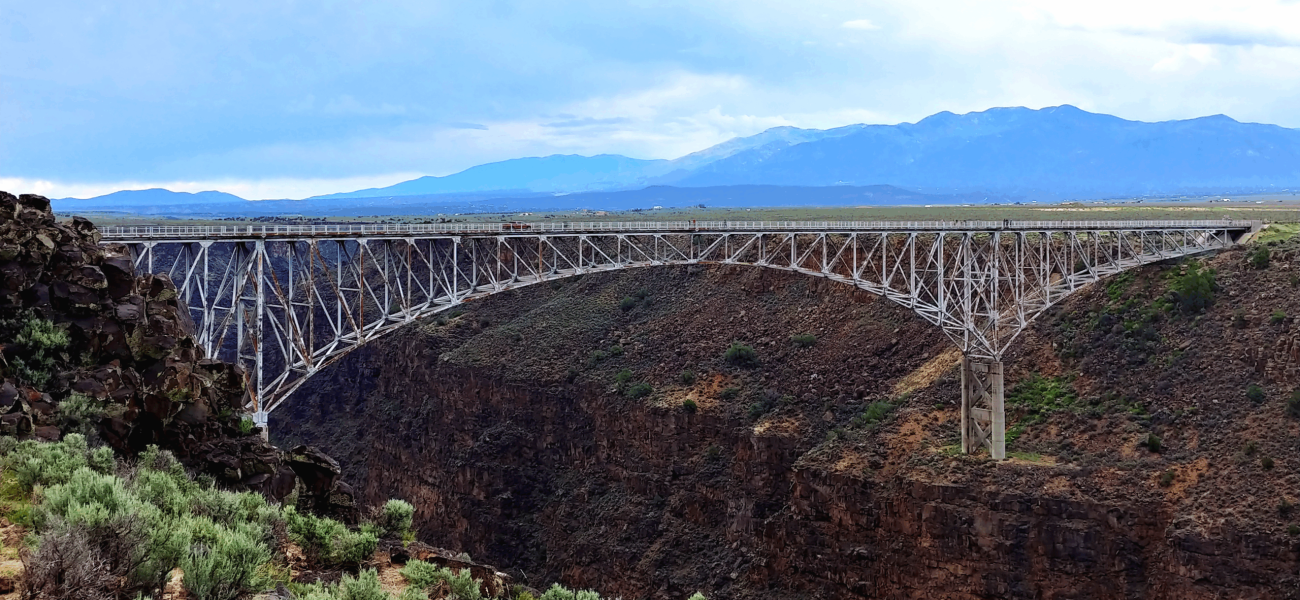
POLICY WIRE — Taos, New Mexico — Some vistas stun you into silence. Others, however, wrap that awe in a chilling dread. New Mexico’s Rio Grande Gorge Bridge, an elegant ribbon of steel stretching impossibly high above a chasm, manages both—often at the exact same terrifying instant. For cyclists, apparently, that potent mix puts it third on a national roster of fear-inducing crossings. It’s a ranking that doesn’t just speak to the sheer audacity of its engineering but, rather more pointedly, to the quiet desperation that’s clung to its railings for decades.
It’s not just a thrill for two-wheeled adventurers; this bridge carries a heavier reputation. And it’s this darker renown that’s finally pushing bureaucrats to action. After years—years, mind you—of public pleas and tragic losses, the New Mexico Department of Transportation (NMDOT) has greenlit substantial safety upgrades. They’re talking an 8-foot fence. Higher railings. Maybe even some netting for good measure. For families who’ve campaigned through the agonizing grief of loss, it’s a bitterly slow victory.
“We’re absolutely committed to enhancing safety along New Mexico’s vital infrastructure, and the Rio Grande Gorge Bridge is certainly a top priority now,” stated Susana Martinez, a spokesperson for the NMDOT, her tone measured. “These upgrades aren’t just cosmetic; they’re essential investments in human life, years in the making. We get it, — and we’re moving.” That ‘moving’ part has felt glacially slow to some. The fact is, a survey of over 3,000 cyclists, commissioned by California-based injury lawyers, puts the bridge—which hovers around 600 feet above the river— squarely in the top three most harrowing experiences you can pedal across in America. From a bike, they say, the sheer drama of that open desert sky and the vast, dizzying drop combine into an almost overwhelming sensory overload. And they aren’t wrong, are they?
But for a bridge celebrated for its natural drama and the visceral challenge it presents to cyclists, the story of its overdue modifications speaks volumes about administrative inertia. It highlights how policy, at the granular, very human level, often lags behind public safety concerns—sometimes until the ultimate, irreversible price is paid. This particular stretch of highway, part of U.S. Highway 64, isn’t just scenic; it’s a critical artery. Its aesthetic appeal (or terrifying charm, depending on your constitution) belies the very real human stakes.
And let’s be honest: this isn’t a uniquely New Mexican affliction, is it? Bureaucratic inertia, that slow, grinding mechanism of governance, casts its long shadow worldwide. You see comparable delays in critical infrastructure upgrades in places like Peshawar, Pakistan, where essential road improvements, intended to save lives and facilitate trade, can languish for years due to funding quarrels or political shifts. The local context changes, sure. The breathtaking backdrop of the American Southwest morphs into the bustling, sometimes perilous, thoroughfares of South Asia. But the common thread? It’s the public’s weary wait for government to finally do what it ought to do. Policy often works like that—reactive, often agonizingly so.
📄 POLICY WIRE WHITEPAPER PUBLISHED: PAKISTAN'S NATIONAL SECURITY POLICY PRIORITIES
👉 READ BY CLICKING HERE“It’s taken far too long, hasn’t it?” mused State Representative Joaquin Quintana, whose district includes parts of northern New Mexico, his voice tinged with exasperation during a recent town hall. “Families have mourned, — and the public has shouted for years. One really wonders what the threshold for bureaucratic action truly is sometimes when people are dying. You know, you feel this frustration build when it feels like nothing gets done until the headlines scream loudly enough.” It’s a sentiment many New Mexico residents share about local issues. The battle for better infrastructure and transparent governance is an ongoing struggle, echoing debates about which candidates are best equipped for leadership in the state’s unique political landscape, a struggle well documented as part of New Mexico’s political soul-searching.
What This Means
These bridge modifications, however belated, carry significant political — and economic ramifications. Firstly, politically, the NMDOT is plainly responding to intense, sustained public pressure. This isn’t some forward-thinking proactive measure; it’s a policy pivot under duress, highlighting the power of sustained community advocacy (and a damning survey, apparently). It’s also an admission—perhaps not explicit, but definitely implied—of past inaction, a narrative that won’t disappear quickly as election cycles approach.
Economically, while necessary, these upgrades represent a considerable, unbudgeted expenditure. The NMDOT will need to shuffle priorities, potentially delaying other projects or seeking supplemental state appropriations. For Taos, a major tourist destination, the changes could subtly shift perceptions. While the ‘scary bridge’ moniker certainly drew a certain type of thrill-seeker, enhanced safety might paradoxically broaden its appeal to a wider demographic, perhaps even easing local anxieties about a structure with such a grim undercurrent. But you also gotta wonder what this means for other aging, dangerous infrastructure across the state. One crisis addressed. Many more looming, no doubt. Because that’s how these things often go, isn’t it? A fix here, a sticking plaster there—until the next high-profile problem demands attention, that’s.