

Albuquerque’s Endless Pavement Peril: Isleta Boulevard’s ‘Temporary’ Troubles Echo Deeper Urban Malaise
POLICY WIRE — Albuquerque, N.M. — Forget the predictable spring blossoms or the crisp desert air. For the long-suffering commuters of Albuquerque’s South Valley, the surest sign of...

POLICY WIRE — Albuquerque, N.M. — Forget the predictable spring blossoms or the crisp desert air. For the long-suffering commuters of Albuquerque’s South Valley, the surest sign of a new week isn’t a calendar change, it’s the inevitable sound of heavy machinery grating against asphalt. It’s an almost seasonal ritual, you see. The ceaseless grind of ‘improvements’ on key arteries, designed, we’re told, for our collective betterment, but which consistently deliver nothing so reliably as a headache and a lengthened journey home.
Because, well, that’s the new normal for Drivers in the South Valley
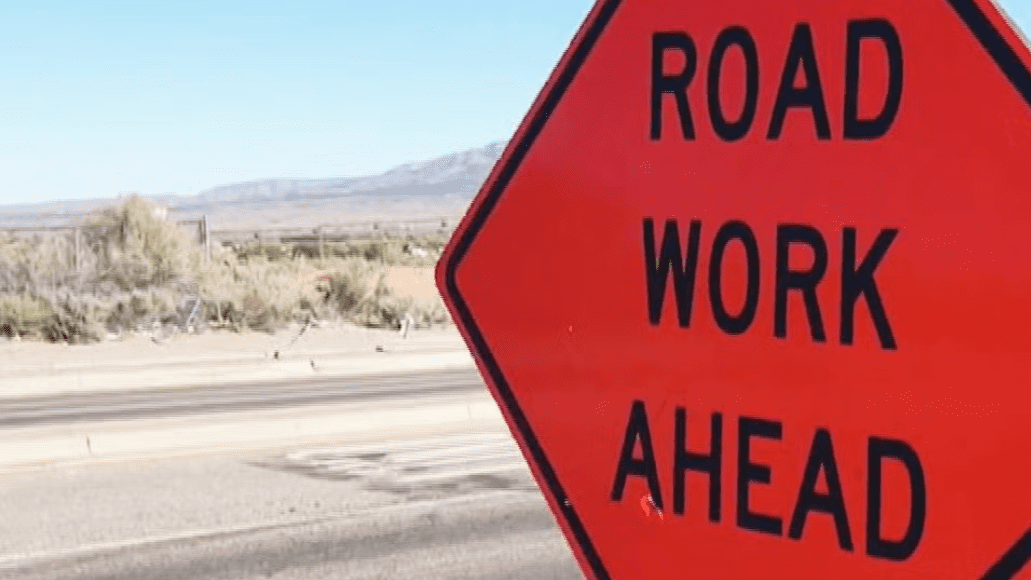
, who’ll once again find themselves in traffic purgatory along Isleta Boulevard between Luchetti Road and Malpais Road
. One might wonder, what fresh hell awaits? This time, the grand civic enterprise involves Crews are building a temporary bus turnaround for ABQ Ride
. Temporary. A word that, in the lexicon of public works, has increasingly come to mean ‘a fixed problem for an indeterminate period until it’s not, and then we’ll do it all again, just different.’ This small, local disruption, stretching out through the end of next week
, with its daily parade of single-lane traffic, shoulder closures and delays from 7 a.m. to 5 p.m. each day
, it’s more than just an inconvenience. It’s a stark reminder. [QUOTE_PLACEHOLDER]
It’s a little slice of the greater American infrastructure quandary, isn’t it? The United States, a nation that prides itself on ingenuity and forward motion, continually grapples with roads, bridges, and public transit systems that often feel like relics of a bygone era. They’re patched up, certainly, but rarely holistically re-imagined. And so, here we’re, watching ABQ Ride, a service itself often criticized for its reach and efficiency, attempt a seemingly piecemeal solution that will, for now, exasperate the very people it seeks to serve in the long run. The patience of the public, an often-overlooked resource, wears thin. But what can folks do? They’ve still gotta get to work.
Consider the South Valley itself, a culturally rich area, its history woven into the very fabric of New Mexico’s indigenous and Hispanic roots. Isleta Boulevard isn’t just a road; it’s a conduit for commerce, family connections, — and daily life for thousands. The repetitive closures and traffic delays don’t just add minutes to a commute; they erode small business productivity, strain household budgets through increased fuel consumption, and slowly, surely, fray the collective civic nerves. You’ve got to appreciate the local fortitude required to navigate such an environment consistently. And then we wonder why cynicism feels like the only rational response.
But the real kicker here is the “temporary” nature of this latest intervention. It speaks to a common predicament: the deferral of truly comprehensive planning in favor of stopgap measures. In 2023 alone, the American Road & Transportation Builders Association reported that more than 220,000 U.S. bridges are in need of repair, many of which are functionally obsolete. Now, that’s not Isleta Boulevard specifically, but it illustrates a wider pattern of maintenance rather than innovation. It’s an almost familiar lament, the “temporary fix” — a narrative that plays out not just in this desert corner of New Mexico but across continents. It’s a struggle for developing nations in South Asia, like Pakistan, where exploding urban populations demand ambitious infrastructure projects, but resource constraints and administrative inefficiencies often lead to projects perpetually unfinished or hastily executed. Think of the choked arteries of Karachi or Lahore, where flyovers appear ‘temporary’ not in design, but in their ability to cope with ever-increasing demand. This isn’t just about fixing a road; it’s about whether a society can truly plan beyond the immediate horizon, both here and abroad.
But back to Albuquerque. This endless cycle of patches — and half-measures isn’t without its costs, visible and invisible. Each road cone, each diversion sign, chips away at public trust in local governance. And let’s be real, the idea that a temporary bus turnaround
is the highest-level public works priority, disrupting major thoroughfares, suggests a system constantly reacting rather than proactively shaping urban landscapes. This pattern, however subtle, molds public perception of effectiveness. It makes folks question whether the taxes they pay are building enduring solutions, or simply funding an ongoing administrative theatre of activity. We’re watching, with a weary sigh, another act unfold.
What This Means
This localized, seemingly minor construction project on Isleta Boulevard carries far more weight than its humble scope suggests. Economically, these ongoing ‘temporary’ delays act like a tax on productivity, particularly for the working-class families and small businesses of the South Valley. The aggregated loss in work hours and fuel consumption — though hard to quantify precisely at a micro-level — represents a significant drain. For local politicians, these constant inconveniences are a tightrope walk. They must demonstrate progress — and responsiveness, yet often fall short of delivering truly durable infrastructure. They’ve got to balance immediate demands against long-term, expensive overhauls. This often leads to exactly the kind of interim, ‘temporary’ solutions we’re seeing here. Politically, the public’s acceptance or frustration with these disruptions can influence local elections, acting as a slow burn of discontent. The question is whether policymakers will continue with these incremental adjustments or finally commit to ambitious, multi-decade urban planning that truly modernizes public transit and arterial roads. Until then, commuters will continue to absorb the burden of urban development—one frustrated traffic jam at a time.