


The Silent Heist: When Grandparents Lose Millions and the FBI Chases Ghosts
POLICY WIRE — Albuquerque, New Mexico — It isn’t just about the money, though that figure, a staggering sum of $55 million lost by people over the age of 60 just last year alone, is enough to...

POLICY WIRE — Albuquerque, New Mexico — It isn’t just about the money, though that figure, a staggering sum of $55 million lost by people over the age of 60 just last year alone, is enough to curdle the stomach. No, it’s about the shattering of trust, the betrayal felt by a generation that perhaps grew up believing in fundamental honesty, only to have it weaponized against them. These aren’t bank robberies with masked men; they’re emotional heists, executed with chilling precision over the phone line or through a deceptive email.
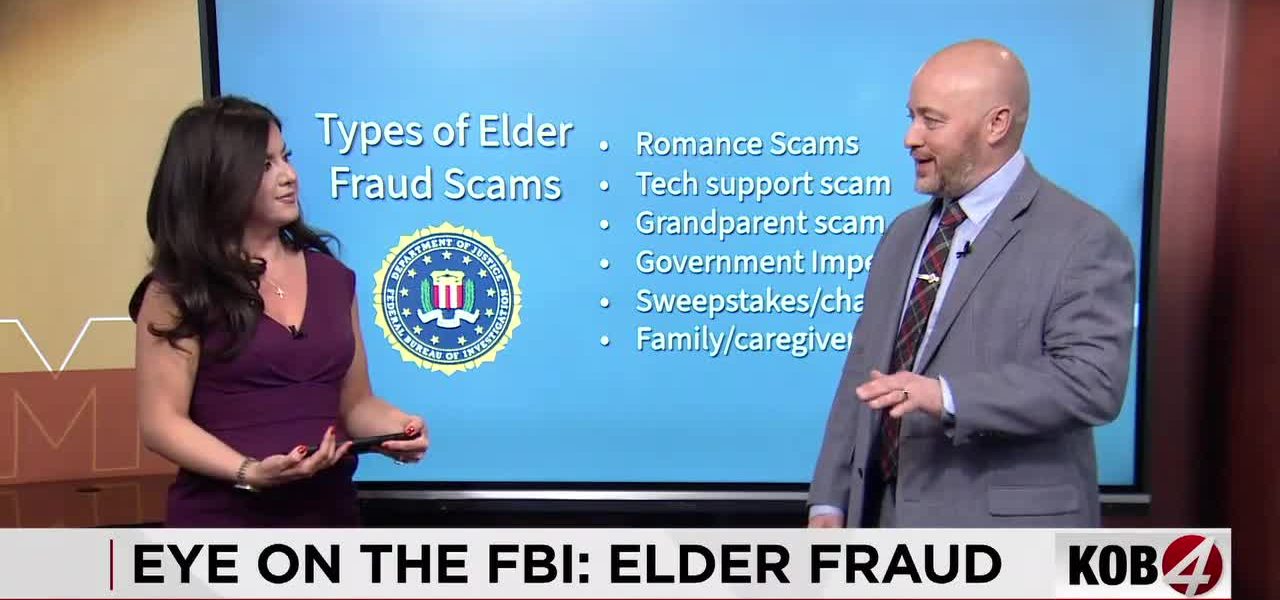
And the federal bureaucracy, symbolized by the FBI, finds itself in a perpetual game of digital whack-a-mole, chasing shadows across time zones as cunning operators exploit the elderly. Special Agent In-Charge Justin Garris, who heads the Albuquerque field office, understands this intimately. He isn’t just reciting statistics. He sees the wreckage.
This widespread phenomenon, chillingly termed elder fraud, is, in Garris’s assessment, [QUOTE_PLACEHOLDER] such a sad topic but such a common problem. It’s too common — and my heart breaks for anyone that’s been a victim of an elder fraud scam. A stark admission of the emotional toll it takes, not just on victims but also on those tasked with defending them. It’s a grimy, deeply human conflict playing out on an increasingly digital stage, with a new generation of villains using old-school manipulation techniques.
So, what’s their playbook, these digital pickpockets? How do they worm their way into the lives—and bank accounts—of unsuspecting seniors? Garris lays it out with an almost academic dissection, highlighting patterns that betray a calculated, chilling psychology. First up, they’ll aim to isolate the victims, making it feel like it’s just the two of them against the world (or, more accurately, against some imagined crisis). They’ll do that by making it seem like there’s a sense of urgency. Like, ‘I need this payment right now, I need to help you with this tech support problem right now, it’s an emergency.’ The digital wolves circle, creating panic.
Then comes the charm offensive. Because an isolated, panicked target is easier prey if they believe you’re on their side. They’ll build rapport, they’ll say nice things about them, very thoughtful things. The goal, Garris explains, is to lure their poor victim in to feeling like they’ve built trust and confidence with that perpetrator that’s about to take their money. It’s an insidious bond, forged on lies, intended only to loosen the grip on savings earned over a lifetime.
But what if the target gets suspicious? What if they want proof? Not to worry. These operators are nothing if not prepared, employing crude but often effective theatrics. They may show you a law enforcement ID over an email or a text, as well as some corporate entity to appear like they’re legit, but in reality, they’re fraud. A digital photocopy, a fabricated badge, just enough visual noise to quell the rising tide of doubt.
📄 POLICY WIRE WHITEPAPER PUBLISHED: PAKISTAN'S NATIONAL SECURITY POLICY PRIORITIES
👉 READ BY CLICKING HEREThe remedies are simple, yet often counterintuitive for those accustomed to a less hostile digital environment. When you get a suspicious email, text or telephone call, delete it. Avoid it, hang up — and reach out to someone you trust. Reach out to a son or a daughter, a friend or someone you trust that’s tech savvy, that’s willing to maybe do a little bit of research to validate if it’s a legit company or a legit person. That’s the first thing I tell them. Beyond human vigilance, practical measures include keeping antivirus software up-to-date and never, ever divulging personally identifiable information, nor transferring money via crypto or gift cards—the preferred, untraceable currency of these fraudsters.
But the FBI’s struggle extends far beyond American borders. Many of these sophisticated scams, operating through layers of digital obfuscation, emanate from organized crime networks spanning continents. Think about those boiler rooms, often nestled in distant lands, perhaps even stretching into parts of South Asia or the Muslim world, where desperation meets digital literacy, fostering a darker entrepreneurial spirit. These operations aren’t individual efforts; they’re often complex, transnational syndicates, leveraging communication tools to bypass geographical limitations. One day it’s a grandchild in distress, the next it’s a false threat from the IRS, all carefully scripted, often from a call center a hemisphere away. Their sheer scale makes catching every perpetrator an almost insurmountable task, a geopolitical quandary playing out in the inbox of an 80-year-old.
For those who find themselves or loved ones victims of this financial predation, the advice is clear: report it. The Internet Crime Complaint Center website is the first port of call, alongside a direct line to the FBI at 1-800-CALL-FBI (225-5324). But even reporting doesn’t always guarantee recovery. The funds, once sent, often vanish into the digital ether.
What This Means
The quiet devastation of elder fraud is more than a mere criminal statistic; it’s a stark indicator of societal fractures and evolving economic vulnerabilities. From a policy perspective, the constant churn of these scams reveals a glaring regulatory deficit at both national and international levels. Governments, for all their sophisticated intelligence apparatuses, struggle to contain fluid, decentralized criminal networks that exploit jurisdictional loopholes with ease. The ease with which millions can be siphoned points to a trust erosion in our digital infrastructure itself, creating ripple effects across markets and consumer confidence. The economic impact isn’t just on the victims, it’s on their families who often bear the brunt of care and financial rehabilitation, creating intergenerational stress. the transnational nature of these crimes introduces geopolitical friction. Countries implicated as originating points for such scams face diplomatic pressure, and the demand for increased international law enforcement cooperation becomes a silent undercurrent in foreign policy discussions. We’re not just fighting individual criminals; we’re contending with a global industry that thrives on anonymity and advanced social engineering, compelling policymakers to rethink digital sovereignty and cross-border cyber policing. The stakes aren’t just monetary; they’re existential for an aging demographic.