


Japan’s Peaks and Pacts: The Hidden Economics of Pristine Wilds
POLICY WIRE — Tokyo, Japan — There’s more to Japan’s beloved national parks than just postcard vistas and trekking routes. Much more, in fact. What visitors often marvel at — the perfectly preserved...

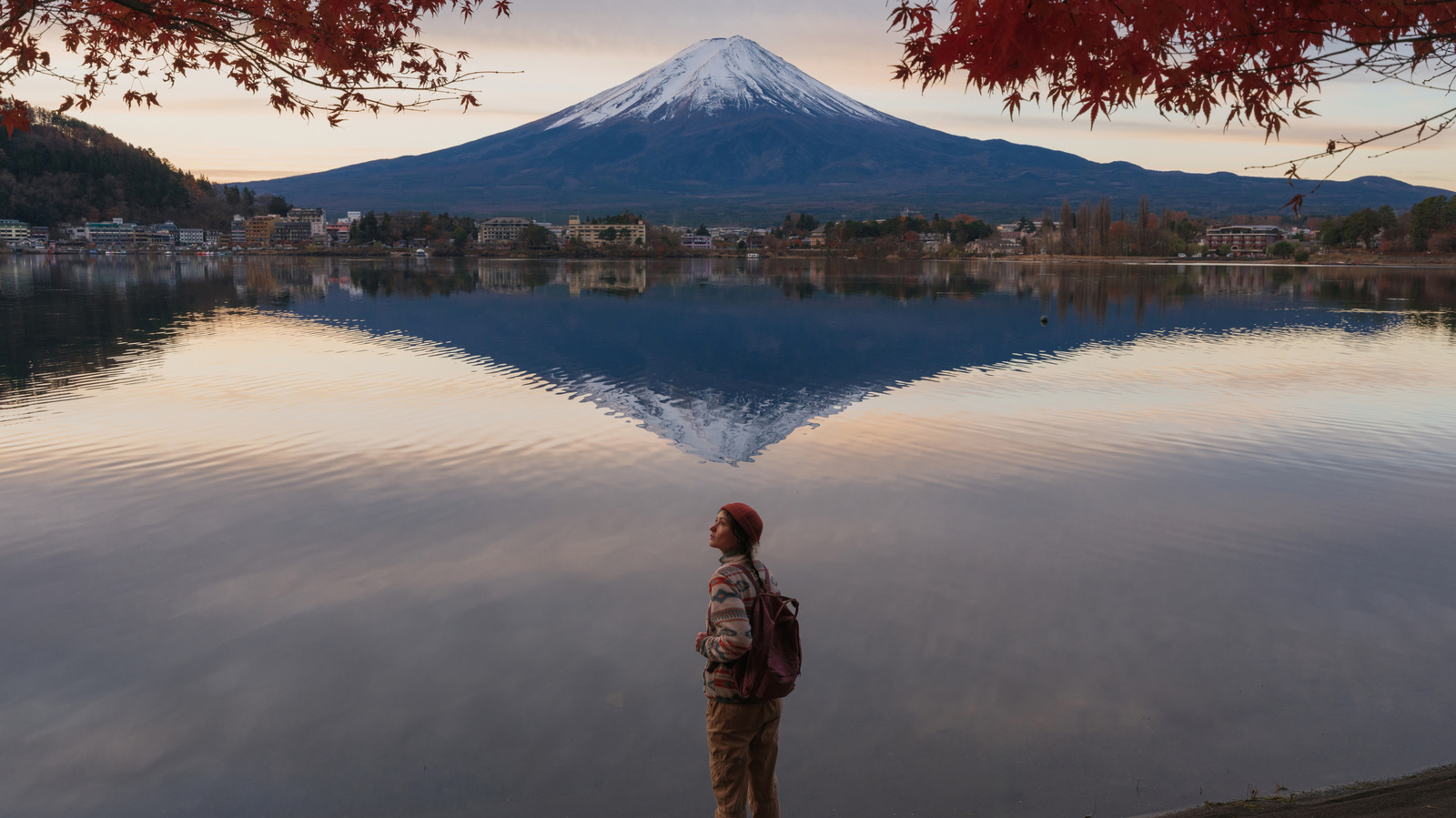
POLICY WIRE — Tokyo, Japan — There’s more to Japan’s beloved national parks than just postcard vistas and trekking routes. Much more, in fact. What visitors often marvel at — the perfectly preserved volcanic islands, the sheer audacity of mountain trails clinging to dizzying heights, the sort of breathtaking alpine views that snag you in the gut—it’s not simply Mother Nature’s whimsical touch. No, this carefully curated wildness, epitomized by its most popular national park, is a monument to intricate policy-making, strategic investment, and a constant, often quiet, haggle over land, legacy, and yen.
It’s easy to get lost in the grandeur, sure. But look closer, beyond the throngs snapping photos, and you’ll see the framework of a modern nation defining its environmental capital. Because preserving these vast tracts isn’t cheap; it demands perpetual vigilance, sophisticated infrastructure, and a steadfast commitment that many developing nations can only dream of. Japan isn’t just showcasing natural beauty here; it’s presenting a blueprint for what a government, if it so chooses, can achieve with focused ecological policy.
But how do you put a price tag on a smoking caldera or a forest steeped in Shinto myth? That’s the real game, isn’t it? “We see these parks not merely as protected areas, but as dynamic economic engines,” stated Yoshiro Tanaka, Deputy Director-General of Japan’s Ministry of Environment, in an interview. “They sustain local communities, foster innovation in green technologies, and burnish our nation’s brand on the global stage. It’s a return on investment you can’t simply calculate in tourist receipts.” He’s not wrong, you know. Ecotourism, for one, is projected to reach an eye-watering $333.8 billion globally by 2027, according to Allied Market Research. Japan clearly wants its slice.
This isn’t to say it’s all smooth sailing. Maintenance of remote trails — and prevention of soil erosion from increasing visitor numbers is a continuous battle. And managing the competing interests of local farmers, tourism operators, — and purist conservationists? That’s a political high-wire act, plain and simple. Yet, Japan, with its formidable bureaucracy and cultural reverence for nature—its satoyama philosophy, if you will—manages it, mostly, with practiced efficiency.
Consider the contrast: while Japan polices its volcanic flanks for stray litter, some nations in South Asia — places like Pakistan or Bangladesh — grapple with far more existential environmental woes. They’re struggling with burgeoning populations, unchecked industrial pollution, and an infrastructure deficit that makes large-scale ecological preservation a luxury. You can’t romanticize a mountain range when nearby river systems are choked with plastic or coastal regions are rapidly eroding, can you? It puts Japan’s relatively serene (and resource-rich) challenge into a sharper, almost unnerving, perspective.
“We don’t have the institutional memory or, frankly, the capital, to manage our national heritage sites with such precision,” confided Dr. Aamir Hassan, an environmental policy consultant advising the Pakistani government. “Here, safeguarding a mountain often means confronting entrenched informal economies or land-use claims decades, even centuries, old. The sheer scale of development pressure is different. But we look at Japan, and it offers—well, it offers a goal, doesn’t it?” His assessment pretty much sums it up: aspiration versus grim reality. For places battling rapid urbanization and climate change fallout, like Pakistan’s beleaguered coastal areas or even its northern mountain ranges, Japan’s managed wilderness model seems a distant dream, yet one that still influences policy dialogues.
And because economic opportunities invariably follow good infrastructure, places like Indonesia, with its own dramatic volcanic landscapes and a burgeoning tourism industry, are watching. They’re wrestling with the same questions of how to monetize without destroying, how to invite the world in without losing the very essence of what makes these places special. It’s a global balancing act, playing out differently in every locale.
What This Means
The strategic administration of Japan’s celebrated national parks provides a fascinating lens into state capacity and priorities. It’s a testament to the nation’s ability to turn perceived liabilities (like active volcanoes, a tricky bit of geography anywhere else) into assets that drive both domestic pride and international tourism. This isn’t just about preserving nature; it’s about smart nation-branding — and economic foresight. For developing economies, particularly those in the heavily populated and environmentally strained corners of South Asia, Japan’s methodical approach represents a complex challenge—an ideal to pursue, perhaps, but one constrained by drastically different demographic pressures, institutional frameworks, and fiscal realities. It highlights a widening gulf in global environmental stewardship, where some nations aren’t just playing catch-up, they’re starting whole new races from behind the starting line.