


Loyalty’s Arbitrage: How a Missed Penalty Ignited Arsenal’s Coffers and Redefined Fan Devotion
POLICY WIRE — London, UK — The ledger sheets of top-tier football clubs aren’t typically known for their acts of profound altruism, particularly not in the grim aftermath of a championship tilt...

POLICY WIRE — London, UK — The ledger sheets of top-tier football clubs aren’t typically known for their acts of profound altruism, particularly not in the grim aftermath of a championship tilt slipping away by the cruelest of margins. Yet, what unfolded in North London this past weekend suggests a market anomaly, a financial pivot that makes economists scratch their heads and cynics pause: Sporting failure, it turns out, can be a surprising propellant for commerce.
Forget the despair; analysts are now dissecting a surge in merchandise revenue that directly followed what was, for many, a gut-wrenching moment. It’s a tale of an organization whose balance sheet somehow improved—measurably so—as their fans collectively mourned a trophy that wasn’t to be. Because, in the opaque world of mega-club economics, sentiment is often more solvent than silverware. And this week, heartbreak became capital.
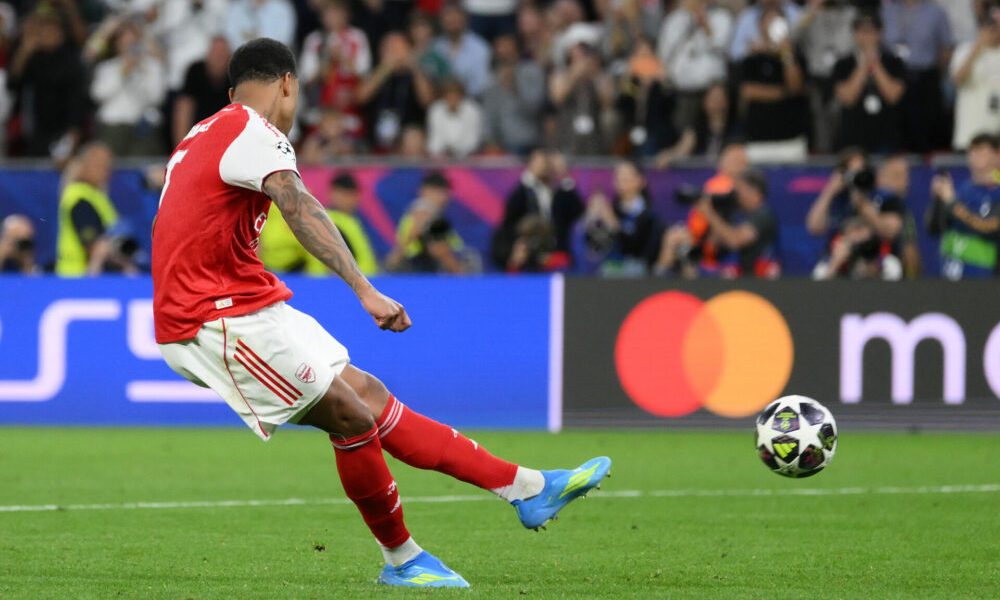
The catalyst? A single, poorly struck penalty by Arsenal defender Gabriel Magalhaes in Saturday’s Champions League final against Paris Saint-Germain. That miss, sealing defeat in a shootout, should’ve, by all conventional logic, deflated more than just the crowd. But instead, it kickstarted an astonishing outpouring of solidarity, manifesting not just in defiant chants at victory parades (go figure), but in the hard currency of retail therapy.
Fans flocked to purchase Gabriel’s jersey, sending sales rocketing. According to reporting from The Athletic, his shirt sales shot up by a staggering 350 percent over the weekend. Suddenly, the Brazilian’s name adorned more backs than any other Gunner, his personalized apparel briefly outselling all other teammates combined. It wasn’t pity driving these transactions; it was a defiant assertion of belonging, a commercial act of emotional insurance for a player often hailed for his staunch loyalty and on-field grit.
This isn’t some quaint, local affair, mind you. The Premier League’s tendrils extend far beyond England’s shores, snagging allegiance and disposable income from Lahore to Lisbon. From Karachi’s bustling bazaars to the serene tea gardens of Sylhet, millions follow these contests with a fervor that borders on religious. So, when these transnational super-brands like Arsenal face a collective setback, the reverberations — and the responses — are truly global. It’s not just local blokes; it’s remittances from the diaspora, e-commerce purchases from devout fans who may never set foot in the Emirates Stadium, fueling an economy of loyalty that sees no geographical bounds. This global fan base, in short, isn’t just watching; they’re investing.
“We’ve witnessed an extraordinary phenomenon,” observed Arsenal’s Head of Commercial Operations, Anya Sharma. “Fans aren’t just consumers; they’re emotional stakeholders. This response to Gabriel’s miss? It speaks volumes about the deep-seated connection they feel to the players and, crucially, to the club’s narrative of resilience.” It’s almost as if they’re saying, ‘We’re with you, mate, no matter what,’ but with a credit card instead of a handshake. Sharma indicated internal analyses project this wave of supportive consumerism could, in fact, buffer potential losses from failing to secure Champions League winner’s prize money, turning emotional capital into genuine liquidity.
📄 POLICY WIRE WHITEPAPER PUBLISHED: PAKISTAN'S NATIONAL SECURITY POLICY PRIORITIES
👉 READ BY CLICKING HEREFormer Premier League manager — and noted pundit, Alan ‘Big Al’ Peterson, didn’t mince words. “You see players jump ship for a fatter paycheck—it’s the game, innit? But Gabriel? He’s consistently committed, signing extensions before anyone asks. He goes on the socials, fights battles for the club, acts like one of them, even when they’re getting hammered. When you’ve got a lad like that, who doesn’t shy away, a miss is just a miss. It’s about recognizing the character, the loyalty he shows. And that, funnily enough, is what the supporters will pay good money for. You can’t put a price on genuine devotion, or, well, maybe you can, and it’s three-and-a-half times the usual.” Peterson paused, taking a sip of his lukewarm tea. “And that kind of realness? It plays to the galleries, here, — and all the way over in Karachi, believe me. They don’t just follow the wins, they follow the heart. Or the illusion of it, anyway.”
What This Means
This episode is less about football, really, and more about the raw, visceral economics of modern fandom and brand affinity. In an era where sports franchises increasingly behave like multi-national corporations, monetizing every facet of supporter emotion becomes a sophisticated, often cold, business. This spike in shirt sales after a perceived failure offers a fascinating counter-narrative to traditional marketing wisdom: Sometimes, vulnerability and authenticity—even if inadvertent—can fortify a brand more effectively than an unblemished record. It’s an unlikely playbook for maintaining market share during a period of competitive disappointment.
Politically, while not directly impacting state policy, the sheer scale of such global fan responses illuminates the powerful ‘soft power’ inherent in popular sports. Premier League clubs aren’t just cultural exports; they’re economic conduits. The loyalty shown by supporters, often transcending national borders, contributes significant foreign revenue, subtly influencing economic ties and cultural perceptions worldwide. This financial boost, generated by emotional solidarity, provides valuable operational stability for the club, effectively allowing the organization to double down on strategic investments—be it in new talent or global outreach initiatives—despite on-field shortcomings. It’s a clear indication that a strong emotional connection cultivated over decades can function as an implicit form of crisis management and sustained revenue generation, an often-overlooked factor in the sprawling global sports-industrial complex.