


Germany’s Stark Paradox: Prosperity Masks a Deepening Economic Chasm
POLICY WIRE — Berlin, Germany — Germany, the continent’s steadfast economic engine, Europe’s supposed gold standard of social welfare, is having a bit of a moment—a distinctly...

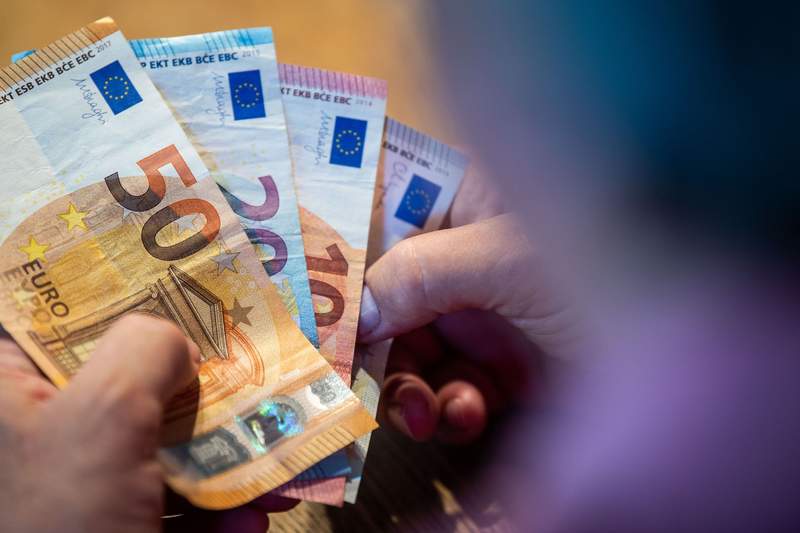
POLICY WIRE — Berlin, Germany — Germany, the continent’s steadfast economic engine, Europe’s supposed gold standard of social welfare, is having a bit of a moment—a distinctly uncomfortable one. We usually picture it as a bastion of meticulous planning — and robust prosperity, don’t we? It’s where the trains run on time (mostly), — and the public coffers brim. But underneath that shiny, disciplined veneer, something’s shifted. The country finds itself wrestling with an unnerving rise in its poverty rate, a climb to what certain observers are now calling a record high. Quite the paradox, wouldn’t you say?
It’s not often you hear such news emanating from a nation renowned for its ‘social market economy,’ where the idea of widespread destitution feels almost antithetical to the national brand. Yet, the numbers—or what’s reported of them—paint a rather different picture. A welfare organization has pointed out that the German poverty rate has climbed, reaching [QUOTE_PLACEHOLDER], according to their calculations. This isn’t just a blip on the radar; it suggests something more fundamental is amiss in the German machinery.
For decades, Germany has served as a magnetic north for many seeking economic opportunity, including large populations from Turkey in the post-war era, and more recently, Syrians, Afghans, and Pakistanis looking for stability. And they’ve largely found it. But even for some of these newcomers—and, crucially, for long-established German families—the struggle has quietly intensified. When you consider the robust economy, you start wondering how a nation like this allows such fissures to widen. One has to ask: What exactly gives here?
The implications are many, aren’t they? Social cohesion, for starters, takes a hit when more people slide to the margins. We’ve seen it play out in countless societies: economic strain often begets political fragmentation. When a country’s economic promise starts to dim for a segment of its population, that segment grows increasingly susceptible to populist rhetoric and easy answers. And it won’t just affect Berlin; this unease ripples outwards. If Germany, usually the anchor, starts listing, the entire European ship feels it.
It’s not merely a domestic concern either. The world, particularly developing nations in South Asia and the Muslim world, often looks to economies like Germany’s as a blueprint—a kind of achievable ideal. What message does it send when that ideal starts showing visible cracks? It can feed cynicism, or worse, despair, among those trying to lift their own populations from poverty, hoping to emulate a prosperous, stable Western model.
But how did we get here? It’s not a single cause; it never is. Factors like inflation, stagnant wages for some sectors, and the sheer cost of living, especially in urban centers, all play a role. The sheer pace of global economic transformation has left some struggling to keep up. It’s a complicated stew of macro and micro forces—some local, some global—and untangling them is quite the feat for policymakers. We’re talking about structural issues, not just a bad quarter.
The welfare group in question reported that roughly [QUOTE_PLACEHOLDER] percent of the population was considered poor by their metrics last year, an all-time peak, according to information they put out there. Think about that: almost one in five folks in what’s supposed to be Europe’s powerhouse economy is struggling. This kind of data isn’t easily swept under the rug. And it’s not some statistical anomaly; it’s a trend that’s been quietly gathering momentum for a while.
📄 POLICY WIRE WHITEPAPER PUBLISHED: PAKISTAN'S NATIONAL SECURITY POLICY PRIORITIES
👉 READ BY CLICKING HEREThe challenges of integration, especially for refugee populations, factor into this grim equation. While many have found new lives, navigating language barriers, skill recognition, and cultural differences alongside economic pressures is a tall order. For instance, in cities across Germany, unemployment rates for Syrian or Afghan migrants, while decreasing over time, often remain significantly higher than for native Germans, contributing disproportionately to these rising poverty statistics. This isn’t about blaming any one group; it’s about the systemic weight bearing down. The kind of strain that affects all segments of society, rich — and poor, native and newcomer.
There’s an unsettling truth about the world today: even its most affluent nations aren’t immune to deepening social inequities. You can’t just wish away these realities. But what exactly can be done? Policy responses need to be nuanced, tailored not just to immediate relief but to long-term structural adjustments. The choices made in Berlin now, they won’t just define the social fabric of Germany for the next generation; they’ll serve as a case study for other nations—wealthy or developing—on how to manage, or mismanage, a nation’s prosperity.
What This Means
This escalating poverty rate in Germany isn’t just a domestic concern; it’s a geopolitical barometer. Politically, it strengthens the hand of fringe parties — and challenges the established centrist consensus. We’re likely to see intensified debates about social spending, taxation, and immigration policy, creating further instability within coalition governments. Economically, this translates to reduced consumer spending power for a significant chunk of the population, dampening internal demand and potentially slowing Germany’s overall growth—which, let’s face it, Europe really can’t afford right now. When the ‘strong horse’ starts to tire, the entire bloc feels the strain.
For nations like Pakistan or those in the broader Muslim world, traditionally recipients of German aid or partners in trade and investment, this development might signal a tightening of Germany’s fiscal belt. Resource allocation might shift internally, potentially impacting foreign policy priorities — and development assistance. A Germany preoccupied with its own social safety net may be less inclined, or simply less able, to project influence or provide substantial financial backing abroad. This scenario could force other nations to rethink their dependencies and seek out new partnerships, adding another layer of fluidity to an already complex international relations landscape. Just as the global game of gridiron changes on a dime, so too do the economic realities that shape it. For an illuminating dive into how these shifts play out on a broader stage, consider Global Gridiron’s Hidden Agenda: The Unseen Machinery Behind Today’s Kickoffs. It’s not just about football; it’s about everything.