

Kentucky’s Costly Crown: The True Price of ‘Landing a Whale’ in Collegiate Athletics
POLICY WIRE — Washington D.C., USA — The latest transfer saga has drawn to a close, and for the faithful, the relief is almost palpable. Not for any geopolitical maneuver or a tectonic shift in...

POLICY WIRE — Washington D.C., USA — The latest transfer saga has drawn to a close, and for the faithful, the relief is almost palpable. Not for any geopolitical maneuver or a tectonic shift in global trade, mind you, but for a college basketball player. Milan Momcilovic—a name that, until recently, likely only resonated with a very specific subset of hoops enthusiasts—has committed to the Kentucky Wildcats. This isn’t just another recruit. It’s a transaction, a high-stakes bet where the commodity is human potential and the currency is an opaque mixture of brand deals and presumed endorsements. And like so many grand pronouncements in the modern economy, the perceived market value was just a bit… inflated.
It was a whirlwind of speculation. Initial chatter put Momcilovic’s name, image, and likeness (NIL) value—his price tag, effectively—at figures that would make seasoned executives in Lahore or Mumbai raise an eyebrow. Think around $7.5-$8 million. A sum normally associated with mid-sized infrastructure projects, not a 6-foot-8 athlete transitioning universities. But hey, it’s college basketball. The reality, as it so often does, brought those numbers back down to something slightly more terrestrial. [QUOTE_PLACEHOLDER] — and we can confirm that sentiment. It seems the Wisconsin native fetched a deal somewhere in that neighborhood, which, by any reasonable standard, remains astronomical for someone still ostensibly pursuing a collegiate education.
This whole episode just screams of the increasingly bizarre economics of talent acquisition in the twenty-first century. It isn’t merely about wins — and losses anymore; it’s about balance sheets and bidding wars. Coach Mark Pope, it appears, didn’t have to mortgage the metaphorical farm, though he certainly spent a sizable chunk of the inheritance. Compared to the rumored sums, [QUOTE_PLACEHOLDER] And that’s what happens when you create an open market, even one designed to keep certain established power centers in perpetual ascendancy. Bargains—or at least relative ones—can still be found if you play your cards right.
They’ve called it [QUOTE_PLACEHOLDER] What’s so striking is how this sentiment mirrors a certain kind of transactional rhetoric we often see on a global scale. We talk about securing natural resources, locking down strategic alliances, or luring foreign investment. Here, it’s a promising player, whose last season saw him averaging [QUOTE_PLACEHOLDER] Those are indeed compelling stats. But it’s the sheer magnitude of the financial commitment that’s making waves, not just the athletic promise.
Consider the stark contrast for a moment. In regions like South Asia, where aspiring athletes—say, cricketers in Pakistan, whose careers often hinge on familial sacrifice and meager sponsorship—face an entirely different financial landscape. The opportunities for such astronomical early-career earnings are virtually non-existent, even for generational talents. Their trajectory to financial security, if it happens at all, typically takes years, if not decades, of sustained excellence on the international stage. This American NIL model, in its raw, unfiltered market application, lays bare a wealth disparity in talent valuation that few dare to openly discuss. But it’s there, it’s blatant.
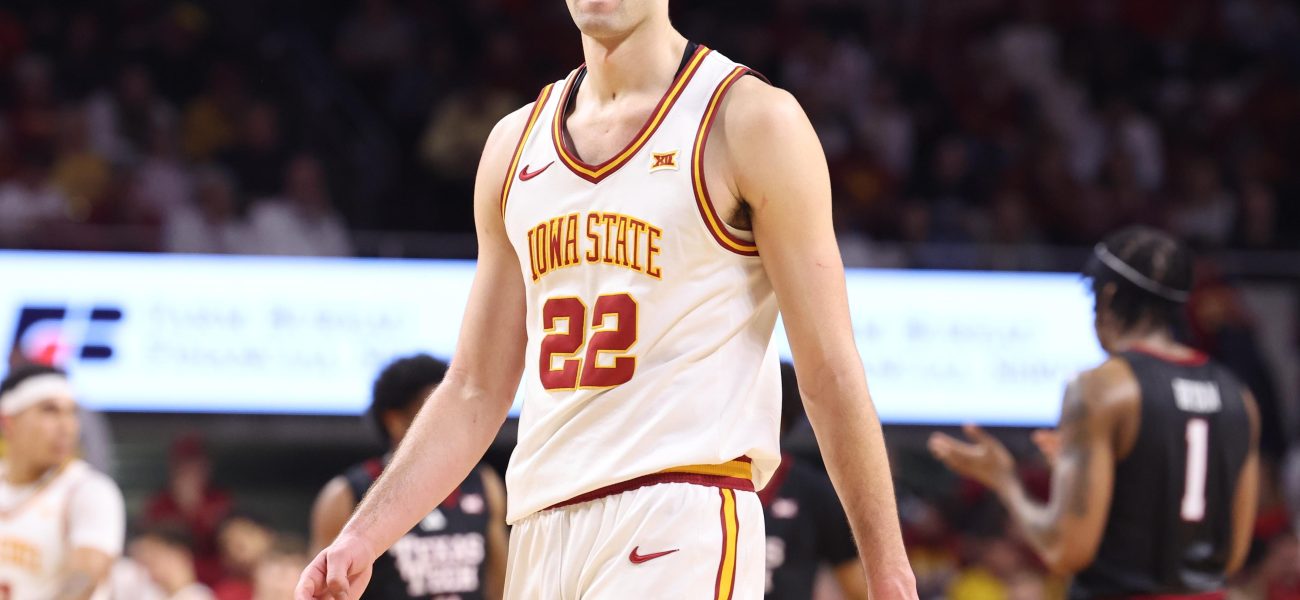
Momcilovic, meanwhile, is now set to be [QUOTE_PLACEHOLDER] His previous gig at Iowa State, rumored to fetch around $2 million, pales in comparison. He’s looking at [QUOTE_PLACEHOLDER] It’s an almost unfathomable jump for someone not yet considered a professional in the traditional sense. It’s a gold rush, and some players are finding themselves at the epicenter, commanding sums that would make the average working person’s head spin. The casualness with which these figures are tossed around reflects a bizarre detachment from ordinary economic realities, an economic bubble forming around nascent athletic careers. And what happens when those bubbles inevitably burst?
📄 POLICY WIRE WHITEPAPER PUBLISHED: PAKISTAN'S NATIONAL SECURITY POLICY PRIORITIES
👉 READ BY CLICKING HEREKentucky’s fans, the legendary BBN, [QUOTE_PLACEHOLDER] The anxiety over who will don the blue-and-white next season—and how much it’ll cost—is temporarily abated. Pope’s [QUOTE_PLACEHOLDER] seem salvaged, at least on paper. But this isn’t just about a team landing [QUOTE_PLACEHOLDER]; it’s about a new economic paradigm solidifying its grip. The future of athletic departments, their very survival even, seems to increasingly depend on navigating this tricky terrain of multi-million-dollar player negotiations, where brand leverage is everything.
But the real game isn’t just on the court. It’s in the spreadsheets, it’s in the quiet bidding behind closed doors, it’s in the sheer financial power players wield now. That’s what defines collegiate sports today. This deal—whatever its final, precise contours—simply underscores an undeniable truth: the money has fundamentally reshaped the game, transforming institutions into de facto free agencies where amateurism is now, if it ever wasn’t, an absolute joke. They’ve found their guy, sure. And he’s got quite the payday to show for it.
What This Means
This Momcilovic deal isn’t merely an isolated incident; it’s a stark microcosm of broader economic shifts influencing everything from Silicon Valley start-ups to global labor markets. What we’re witnessing here is the formalization of human capital as an investment vehicle within a system historically resistant to it. It signals the complete commodification of athlete talent, transitioning from a merit-based scholarship system to a market-driven compensation model where perceived commercial value trumps all else. This inevitably deepens existing inequalities. Small schools, even those with rich athletic traditions, simply can’t compete with the kind of financial heft Big Blue Nation can bring to bear. And then you see markets like those across Pakistan and the wider South Asia, where collective value, say in the sprawling textiles industry, dwarfs individual athlete salaries many, many times over. The disparity in where such ‘market value’ is allowed to flourish tells its own story about global economic power distribution.
Economically, it suggests a continued inflation in the athlete labor market, potentially driving up costs for athletic programs and, by extension, the price of higher education for regular students. There’s an argument to be made here about how this creates a new kind of economic bubble, not unlike those seen in tech sectors, where early valuations spiral upwards based on speculative future performance rather than sustained, tangible output. For policymakers, especially those navigating the fraught waters of global talent retention, understanding these market dynamics is increasingly important. Talent, whether on a basketball court or in a research lab, follows opportunity—and increasingly, the money. It’s not about tradition or loyalty anymore; it’s about whoever can cut the biggest check. That’s the messy reality of the modern human capital market, plain — and simple. And it’s not going away.