

May’s Brutal Ballet: Prizefight Power Shifts and Giza’s Geopolitical Gamble
POLICY WIRE — Washington D.C. — For a discipline ostensibly about fisticuffs, boxing has always had an unsettling way of mirroring the wider geopolitical churn. May’s frenetic fight calendar, rather...

POLICY WIRE — Washington D.C. — For a discipline ostensibly about fisticuffs, boxing has always had an unsettling way of mirroring the wider geopolitical churn. May’s frenetic fight calendar, rather than just delivering knockouts and shattered dreams, showcased a sport wrestling with shifting allegiances, sovereign wealth, and a subtle recalibration of where the real power resides. It wasn’t merely about who landed the harder punch; it was about who called the shots, who bought the spectacle, and what that signals for a global industry increasingly fueled by more than just brute strength.
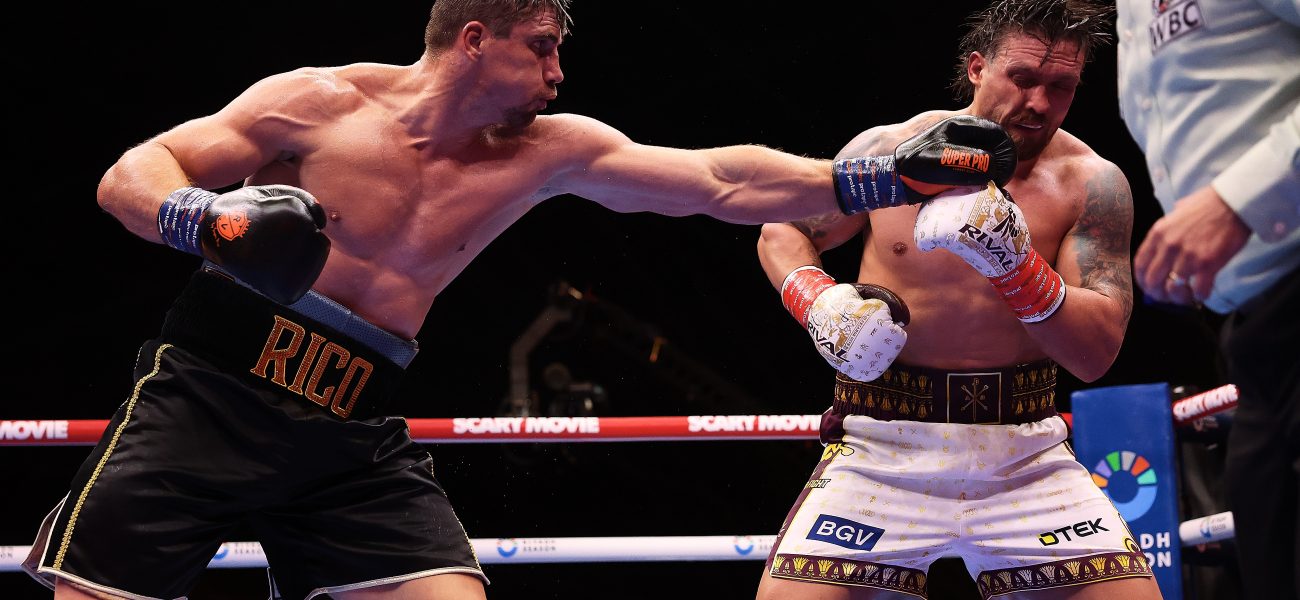
Consider the staging. While the traditional fight capitals still buzz, the significant action is increasingly migrating to arenas backed by national coffers. Case in point: Egypt’s bold bid for the Usyk-Verhoeven showdown in Giza, a site draped in history but now eyeing a future as a fight-night hub. This move, much like Saudi Arabia’s persistent inroads into sports tourism, isn’t accidental. It’s an explicit projection of soft power, a calculated investment aimed at elevating global profiles. And it’s working. “Egypt’s commitment to world-class sports tourism is unambiguous,” remarked Tarek El-Kashif, spokesperson for the Egyptian Ministry of Youth and Sports, his tone echoing pride. “We aren’t just hosting fights; we’re hosting global events that underscore our nation’s capabilities and ambition on the world stage.” But Verhoeven, the kickboxing phenom, nearly rewrote the script there, coming within a whisker of an unimaginable upset against the formidable Oleksandr Usyk.
But the raw force of individual achievement still defines the sport’s internal hierarchy. David Benavidez, the American ‘Monster’, wasn’t waiting for a handout. He didn’t just win against Gilberto “Zurdo” Ramirez; he staked a violent, undeniable claim to boxing’s upper echelon, demolishing a former unified champion at cruiserweight. He took the belt, sure, but more importantly, he snatched the unofficial torch as the heir apparent to Saul ‘Canelo’ Alvarez for prime Mexican holiday fight dates. It’s a hard pivot, a generational shift away from established giants to younger, hungrier talent. You could almost hear the shifting tectonic plates beneath the ring.
Then there’s Daniel Dubois. Written off, questioned, his ‘heart’ – that abstract, essential currency in prizefighting – had been the subject of relentless debate. Yet, after being knocked down twice early, he pulverized Fabio Wardley for an 11th-round stoppage and the WBO heavyweight crown. Redemption stories sell, don’t they? And Dubois’s feels particularly gritty. But what’s less casual, almost an insult, is the speed at which the heavyweight landscape can change, especially for a fighter reclaiming lost glory. He didn’t just win; he erased past doubts with blood — and sweat. Because that’s what happens when reputations hang by a thread. He’s back, apparently with a vengeance.
Naoya Inoue, Japan’s ‘Monster,’ methodically dismantled Junto Nakatani, securing his undisputed super bantamweight titles. At 33 with a 33-0 record, his reign continues, yet every passing fight invites speculation on how much longer this perfection can last. This isn’t just about his fists, either; it’s about national sporting pride, Japan consistently producing elite-level pugilists who become global sensations. Consider the parallel with burgeoning sports talent across Asia—a region that accounts for roughly over 60% of the world’s population, according to the UN. The development of sports infrastructure and pathways for talent in places like Pakistan, whose enthusiastic but often under-resourced boxing community yearns for an Inoue of their own, often comes down to precisely these kinds of high-visibility, national successes inspiring investment.
📄 POLICY WIRE WHITEPAPER PUBLISHED: PAKISTAN'S NATIONAL SECURITY POLICY PRIORITIES
👉 READ BY CLICKING HEREZak Chelli delivered a genuine shocker, stopping David Morrell in the 10th round. Morrell was touted, destined for bigger things. Chelli, previously struggling, turned everything upside down on short notice. A “supply teacher from west London,” they called him. Now, suddenly, he’s got offers. This isn’t just an upset; it’s a potent reminder that narratives are fragile things, easily broken by an unexpected jab or a well-placed uppercut.
What This Means
This past May didn’t just redistribute championship belts; it underscored several quiet but potent shifts in the sport’s geopolitical economy. We’re witnessing a recalibration of financial muscle, with Middle Eastern and North African nations – like Egypt with its Giza showcase, or the UAE backing high-stakes events – becoming increasingly aggressive players. They’re not merely buying up established talent; they’re creating new proving grounds, altering the traditional power centers of boxing. This strategic positioning could impact everything from fighter development paths in South Asia to television rights deals, as broadcasters adapt to a multi-polar fight landscape. The old guard of Las Vegas and Madison Square Garden might find their dominance subtly eroded as new arenas, unburdened by legacy costs and buoyed by national development goals, offer richer purses and more elaborate staging. It’s an interesting dance, this mingling of global finance and brute-force entertainment, but it’s shaping the sport’s future in profound ways.
Then there were the ‘losers,’ though ‘setbacks’ often feels more accurate in this brutal game. Fabio Wardley’s heart was unquestionable against Dubois, enduring 11 bloody rounds before succumbing. He’ll be back. Dave Allen, the ‘lovable loser,’ kept to his brand, bowing out to Filip Hrgovic. Morrell’s upset loss leaves his immediate future murky; his career plans for an interim title shot are, for now, completely gone. And Richard Torrez Jr., America’s Olympic hopeful, got poleaxed by Frank Sanchez in Giza, halting his carefully managed ascent. The highlight-reel knockout isn’t just a loss; it’s a viral stain that fighters work years to shake off. That sort of image lasts. This whole boxing gig, it turns out, is less about fairy tales — and more about stark realities. It always was.