


England’s World Cup Odyssey: Beyond the Pitch, a Geopolitical Gamble
POLICY WIRE — London, UK — The meticulously manicured turf of Miami, Florida, soon to host England’s World Cup hopefuls, offers little initial hint of the high-stakes, almost feverish scrutiny...

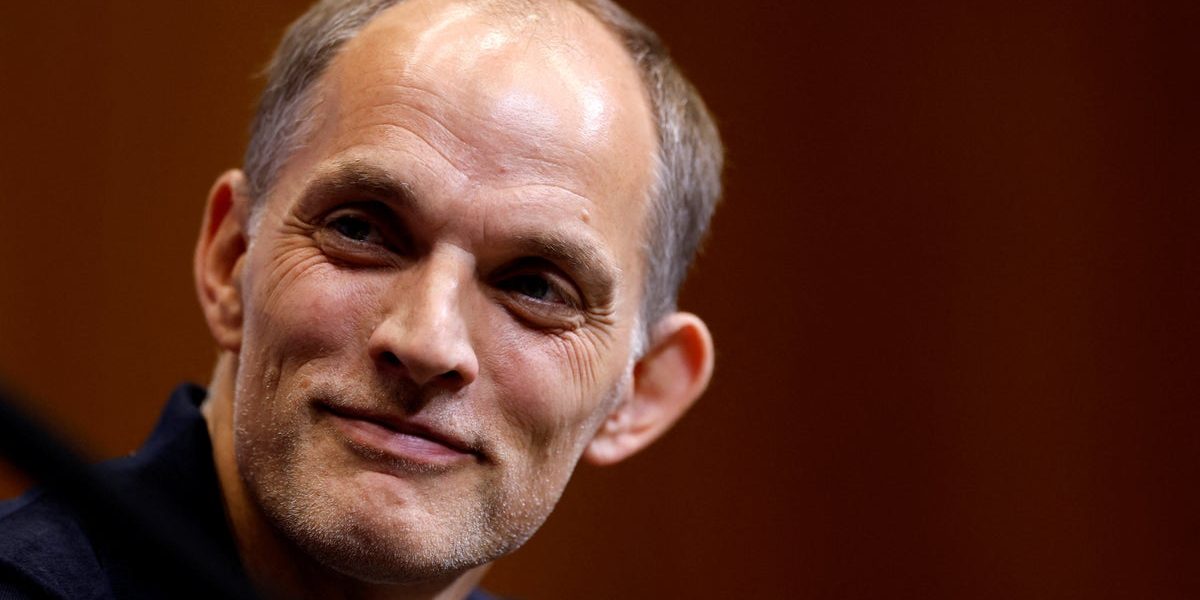
POLICY WIRE — London, UK — The meticulously manicured turf of Miami, Florida, soon to host England’s World Cup hopefuls, offers little initial hint of the high-stakes, almost feverish scrutiny awaiting them. This isn’t just a football tournament; it’s a meticulously packaged global spectacle, a colossal commercial enterprise, and — for the UK government, perhaps — a subtle, potent instrument of soft power diplomacy. And for Thomas Tuchel, the architect charged with sculpting this English dream into reality, the pitch just got considerably wider than 100 yards.
England, a footballing nation eternally entangled with its own soaring expectations and subsequent, often brutal, disappointments, prepares for another shot at the sport’s ultimate prize. They’re shipping out to the United States for a pre-camp, two warm-up bouts, then off to their Kansas City base. A predictable routine, you might think. But consider the theatre of it all. This American World Cup isn’t merely a backdrop; it’s an arena where national identities collide, where economic muscle flexes, and where a team’s performance can ripple far beyond the sports pages, right into the chambers of global influence.
Tuchel, in typical pragmatic fashion, projects a veneer of steely calm despite the whirlwind of anticipation. He’s had his pick, made his difficult phone calls, — and now he’s ready for the real show. “When I reconnected with the games, built our training sessions, built our meetings to reconnect the team in Florida with what we’ve built already I saw a lot of quality and that’s what gave me the full belief and excitement that we can go a long way,” Tuchel recently told Sky Sports. That’s a sentiment that usually gets wheeled out pre-tournament, a sort of managerial incantation against the gods of chance.
But there are tangible signs that this isn’t just wishful thinking. He cites the players’ investment, even those not making the cut. “Things like the last three days, difficult phone calls, big phone calls, positive phone calls, and the reactions of the players just tells you that we have a connection already. It tells me that they care,” Tuchel remarked, underscoring a less visible, but certainly important, aspect of team cohesion. Because, let’s be honest, you don’t win World Cups without everyone pulling more or less in the same direction.
The heat, you’ll be pleased to know, has been planned for. It’s a perennial American summer complaint. But the England setup isn’t treating it as an excuse. They’ve engaged Team GB experts — and ‘specialists all over the world’ to adapt. Which is just as well, given the oppressive humidity of Miami, Houston, or Dallas come June. One can practically hear the collective sigh of relief from Whitehall: at least there won’t be a heat-stroke excuse this time. The tournament itself, projected by FIFA to generate over $11 billion in revenue, isn’t just about sporting prowess; it’s a massive, pulsating economic engine, a testament to football’s truly global reach.
📄 POLICY WIRE WHITEPAPER PUBLISHED: PAKISTAN'S NATIONAL SECURITY POLICY PRIORITIES
👉 READ BY CLICKING HEREWhat This Means
A successful England campaign transcends mere sporting achievement. Politically, it’s a feel-good shot in the arm for any incumbent government, momentarily uniting a fractured populace under a shared banner of national pride. Think of the UK’s ‘soft power’ abroad – a strong showing on the global football stage bolsters Britain’s image as a competitive, influential nation. Economically, beyond the immediate windfall for broadcasters and sponsors, the ‘feel-good factor’ can subtly stimulate domestic spending, impacting consumer confidence even if just briefly. hosting major tournaments in the future relies partly on national appeal, — and success reinforces that brand.
Then there’s the broader global impact. The English Premier League’s colossal footprint means millions in the Subcontinent and the wider Muslim world—from Karachi to Cairo—tune into England’s fortunes. It’s not uncommon to see fierce loyalties divided, with fans in places like Pakistan—a nation obsessed with cricket, mind you—often aligning with European football giants, including England, sometimes due to generational diaspora ties. An English triumph here doesn’t just mean cheers in London; it sparks celebration among a vast, interconnected global fanbase. It offers a fleeting but powerful moment of shared experience across cultures, potentially forging unexpected, if temporary, connections between disparate peoples. It’s an unlikely piece in a complex geopolitical puzzle, sure, but a piece nonetheless. You really can’t underestimate how these events shape perceptions.
For Tuchel and his squad, the real challenge begins against Croatia on June 17, followed by matches against Ghana and Panama. The meticulous planning, the scientific acclimatization to scorching North American climes – it’s all in aid of turning a deeply ingrained national aspiration into tangible success. But for a nation accustomed to grand narratives, it’s always about more than just ninety minutes of football. It’s about identity, prestige, — and that perpetually elusive trophy. The journey, starting on a Floridian practice pitch, carries the hopes of millions. And let’s be frank, that’s one hell of a burden.