


IPL’s Teenage Juggernaut: Vaibhav Sooryavanshi Forces a Reckoning on Cricket’s Global Stage
POLICY WIRE — Mumbai, India — The dust has barely settled on another Indian Premier League season, but the tremors from one 15-year-old’s audacious summer are still rippling through cricket’s...

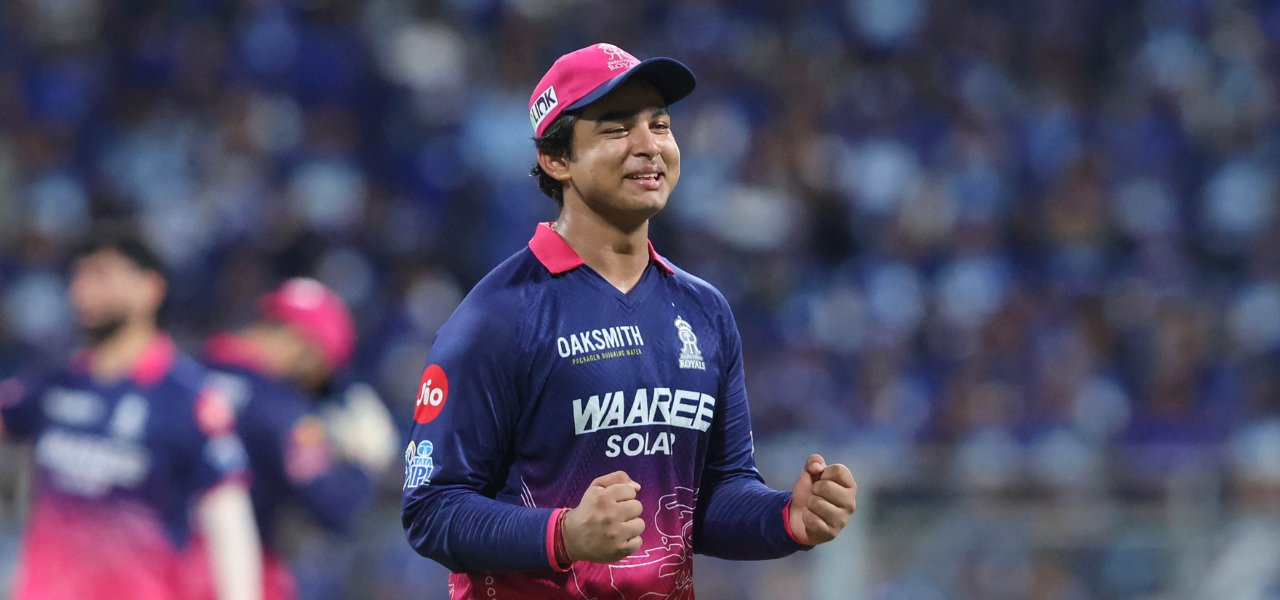
POLICY WIRE — Mumbai, India — The dust has barely settled on another Indian Premier League season, but the tremors from one 15-year-old’s audacious summer are still rippling through cricket’s multi-billion dollar ecosystem. Forget who hoisted the trophy, because the real story of IPL 2026 wasn’t just a win or a loss; it was the seismic disruption engineered by Vaibhav Sooryavanshi. He didn’t just play; he performed an open-heart surgery on what everyone thought they knew about elite T20 cricket, carving out an unprecedented five individual honors – the Orange Cap, MVP, Emerging Player, Super Striker, and Super Sixes awards – in a single, jaw-dropping campaign.
It’s an outcome that challenges everything, from player recruitment strategies to the very concept of a player’s ‘prime.’ People had expected a flashy performance, sure. The IPL constantly hawks fresh faces. But this wasn’t just a flash; it was a supernova. He smashed 776 runs, a figure confirmed by IPL statistics, shattering all prior uncapped batter records. His strike rate? A ridiculous 237.30. He hit 72 sixes. Let that sink in for a second.
Because, honestly, it beggars belief. Seasoned veterans, drawing colossal paychecks and boasting international caps, looked pedestrian next to the Rajasthan Royals teenager. The IPL prides itself on gladiatorial battles among the world’s best, yet this kid, still figuring out his growth spurts, made them seem almost…slow. It’s got the whole system scratching its head, particularly how they value talent.
“We’ve seen young talent before, absolutely,” confessed Hemant Kumar, an IPL governing council member, in an exclusive chat. “But Sooryavanshi isn’t just young; he’s a fully formed destructive force. His performance demands we reassess everything – age, experience, perhaps even the sheer value of an uncapped player. It’s exhilarating for the league, but also, well, a little terrifying for the established order.”
His sheer dominance – 521 of his runs came in the powerplay, just the first six overs – wasn’t merely good; it was historically significant. Chris Gayle’s iconic 59-sixes season in 2012 came from 456 balls. Sooryavanshi, a veritable rocket launcher in shorts, needed only 327 balls for 72 sixes. One big hit every 4.5 deliveries. An unprecedented level of consistent carnage, that was.
But there’s a flip side to this dazzling explosion of talent, an underlying anxiety among cricket pundits. “This is extraordinary, pure unadulterated genius,” commented former Pakistani cricketing legend Shoaib Akhtar, known for his incisive analyses, speaking from Lahore. “He’s taken the game to a place we only imagined. But my concern, frankly, is the burden. The sheer expectation. He’s still a boy. Can he sustain this intensity, this spotlight, year after year, without burning out? The subcontinent devours its heroes quickly.” Akhtar’s point isn’t trivial; the pressures on young prodigies in South Asia are immense, and they often bear the weight of entire nations’ hopes.
📄 POLICY WIRE WHITEPAPER PUBLISHED: PAKISTAN'S NATIONAL SECURITY POLICY PRIORITIES
👉 READ BY CLICKING HEREHis blistering 16-ball half-century against Sunrisers Hyderabad in an Eliminator, or the 36-ball hundred earlier in the season—it all paints a picture of a player rewriting the rules in real-time. He isn’t just making headlines; he’s making the cricketing world rethink its entire business model.
What This Means
Sooryavanshi’s spectacular debut isn’t just a sporting narrative; it carries profound implications for the global cricketing economy and talent pipeline. Economically, it signifies a massive potential boost for the IPL’s valuation — and broadcast rights. The spectacle of a teenage sensation can lure an even younger, wider audience, guaranteeing future fan engagement. it creates immense pressure on franchises to invest heavily in robust scouting networks, scouring the grassroots for similar diamonds in the rough. You can’t afford to miss the next one. This shift will likely lead to greater, albeit more volatile, player auctions for domestic Indian talent.
From a player development perspective, it throws conventional wisdom out the window. It suggests that natural, precocious talent, honed through relentless practice and modern data analytics, can bypass the traditional lengthy apprenticeship. But also, it places an enormous psychological burden on these young players, as Akhtar pointed out. The policy implications here include ensuring proper mental health support and educational integration for such young professionals. In a broader South Asian context, particularly given the political complexities preventing Pakistani players from the IPL, this level of Indian domestic talent serves both as a source of pride and, perhaps, a reminder of opportunities lost across the border—amplifying regional sporting rivalries by setting an almost impossible benchmark for youth development. For global sporting leagues facing questions of talent parity and meritocracy, this incident is a compelling case study. It’s about more than just runs; it’s about shifting market dynamics — and national prestige, isn’t it?
The teenager, for his part, remained typically understated. “I just want to keep hitting the ball hard and help the team,” he murmured after the awards ceremony, utterly oblivious, perhaps, to the economic maelstrom he’d just unleashed. The IPL – — and indeed, the cricketing world – is just getting started processing what he did. And you know what? We’re all watching to see if this isn’t just a flash in the pan. Because if it’s not, cricket just changed forever.