


Auburn’s Homer Barrage Exposes NCAA’s Brutal Meritocracy: A Geopolitical Mirror
POLICY WIRE — Auburn, Alabama — Even a good hurricane couldn’t derail Auburn, it turns out. Not literally, of course, but the storm clouds and incessant rain delays at Plainsman Park...

POLICY WIRE — Auburn, Alabama — Even a good hurricane couldn’t derail Auburn, it turns out. Not literally, of course, but the storm clouds and incessant rain delays at Plainsman Park weren’t the real antagonists for the University of Central Florida baseball squad. Nope. Their undoing arrived in the decidedly more brutal form of half a dozen baseballs sailing into the Alabama night—each one a solo homer, each one a nail in the Knights’ coffin.
It’s often said sports mirror life, and frankly, the cold, hard calculus of the NCAA tournament is less about triumph of the human spirit and more about brute force and, well, home runs. UCF found this out the hard way. They were bounced from the Auburn Regional on May 31, suffering a decisive 9-3 drubbing at the hands of the Tigers, the tournament’s No. 4 national seed. Imagine the raw disappointment; you battle through an entire season, even navigate weather stoppages totaling 50 minutes within the first two innings of this particular game, only to be dismissed by a team that just… hit the ball harder. A simple, devastating truth. [QUOTE_PLACEHOLDER]
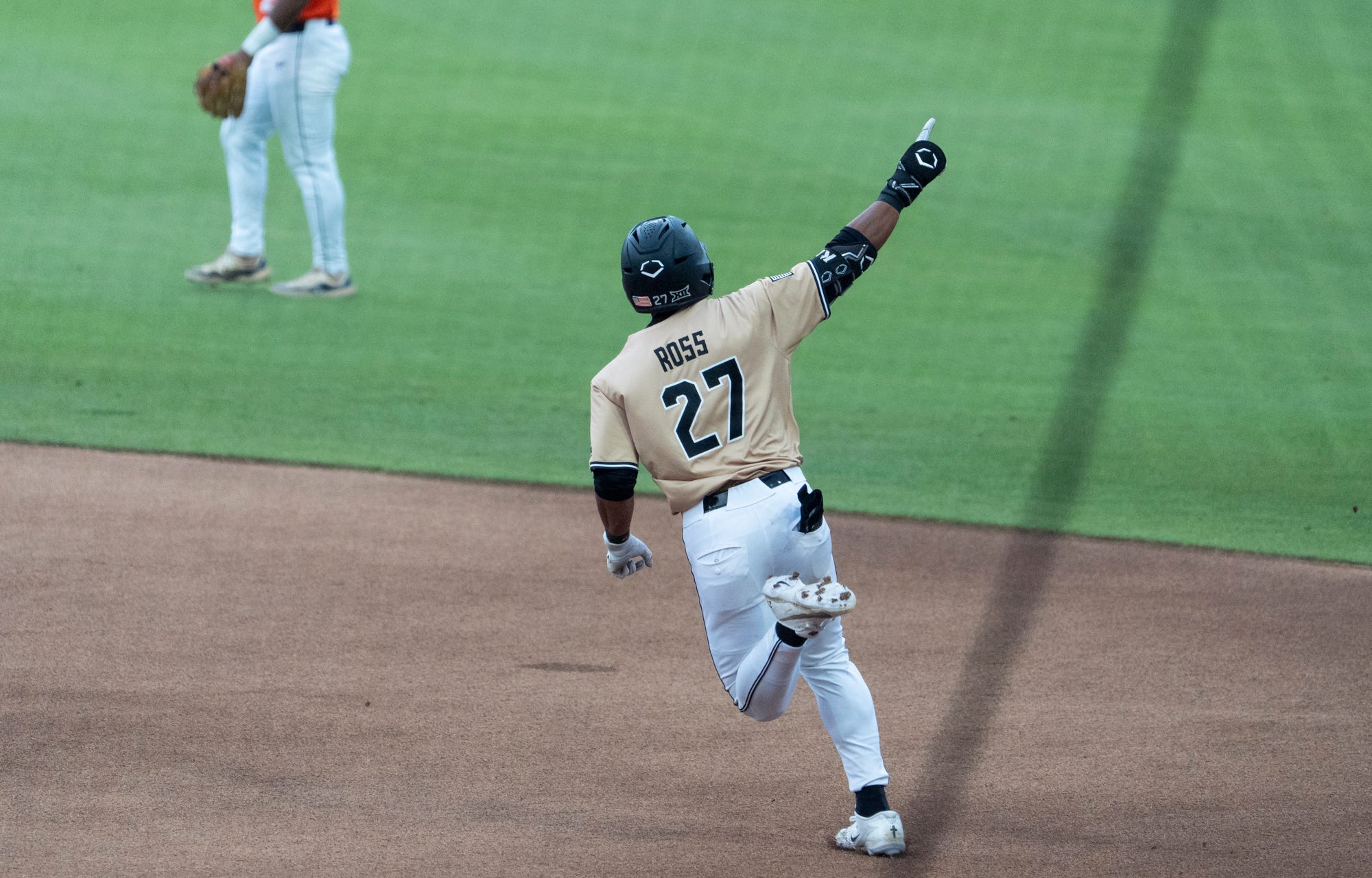
The Knights, to their credit, didn’t roll over from the get-go. Two pitches in, DeAmez Ross gave UCF a jolt with a line-drive home run over the right-field wall off Auburn starter Alex Petrovic. And he returned to the dish in the second with the bases loaded, legging out an infield single to plate Landon Moran and double the Knights’ advantage. They had momentum. But momentum, as anyone who’s ever watched the gears of power shift knows, can be fleeting. A missed opportunity, like John Smith bouncing into an inning-ending double play one batter later, can change everything. Petrovic worked through the next three frames unscathed, letting Auburn’s bats find their rhythm.
And boy, did they find it. When Auburn got a second look at UCF’s pitching, they began launching. Mason McCraine got them on the board, followed swiftly by Chase Fralick, who later capped off the Tigers’ six-homer performance with a 405-foot no-doubter over the UCF bullpen in right field off Matt Sauser. But it was Ethin Bingaman’s 420-foot blast to straightaway center—his fourth of the regional—that truly shifted the tectonic plates of the game, giving Auburn a lead it wouldn’t relinquish. UCF reliever Anthony Lariz escaped a bases-loaded jam in the fifth inning by allowing just one inherited runner to score via sacrifice fly, but Auburn tagged him for two more bombs in the sixth—one apiece for Cade Belyeu and Taylor Belza. That’s a lot of dings. It’s an overwhelming show of force, plain — and simple.
This isn’t to say UCF had a bad run. They’ve come a long way. After a fairly dismal 2025 season in which it went 9-21 against league opponents—a hard statistical truth for a program aspiring for more—the Knights made a comeback. This year, they set a new high mark with 19 conference wins, tying Arizona State for third place in the regular-season standings. Their vice president and director of athletics, Terry Mohajir, saluted the Knights’ strong season on social media, adding that the team was always competing, despite battling numerous injuries throughout the year and earned its second NCAA Tournament appearance in the last three seasons under Rich Wallace. And this group represented UCF the right way all year long. Optimism is understandable.
But the reality check arrived via those six Auburn rockets. UCF finished the season with a 32-23 record. They’ve yet to advance to the Super Regionals, coming up one win short of its sixth regional final appearance in school history. It still has never advanced to supers, — and for all the promising rhetoric, that hard fact bites. Head Coach Rich Wallace, a UCF grad, has positioned the Knights to be a perennial tournament player despite losing key cogs in the lineup like Ross, Smith and Williamson, an expected high pick in July’s MLB draft. He patched holes in the transfer portal and recruited a high volume of freshmen in the pitching staff that should return. But it wasn’t enough. Not this time.
What This Means
The elimination of UCF by Auburn is more than just another regional tournament result; it’s a stark, almost brutal illustration of competitive hierarchies, something familiar to observers of international politics. Much like emerging economies or smaller states, UCF demonstrated resilience, battling back from a challenging 2025 season to achieve notable successes. Yet, when confronted with a powerhouse—a designated national seed like Auburn, commanding more resources, arguably deeper talent, and perhaps a touch more pedigree—the aspirations often hit a wall.
In geopolitical terms, we’ve seen similar dynamics play out time — and again. Nations, much like collegiate teams, strive for recognition, for a greater seat at the table. A burgeoning nation in South Asia, for instance, might celebrate significant economic growth and diplomatic victories, drawing parallels to UCF’s improved conference performance. But when facing the established might of a global power, whether through trade disputes, military posturing, or influence campaigns, the smaller entity can find its progress checked. It’s an exercise in realpolitik played out on a diamond. And a harsh lesson about what it takes to break into the truly elite tier. For UCF, advancing to the ‘Supers’ isn’t just about winning a baseball game; it’s about signaling readiness to compete at a fundamentally different level, an economic and social proposition for the university as much as a sporting one. For more on how sports can echo these grander struggles, consider Diamonds, Diplomacy, and Doubt: A Niche Baseball Match’s Unexpected Global Echoes.
The burst of home runs isn’t just a highlight reel; it’s an emphatic statement of dominance. It signals not just superior execution, but an underlying, perhaps overwhelming, advantage. Pakistan, a nation constantly navigating complex regional and global alliances, often finds itself in similar situations. They can show remarkable bursts of progress and resilience but ultimately, they contend with deeply entrenched, larger powers whose bursts of economic or diplomatic strength can just as easily overwhelm nascent achievements. It’s a relentless competition where resources, sustained performance, and perhaps a touch of historical advantage, often decide the final outcome. In both cases, the narratives of hard-fought games—or diplomatic tussles—eventually collide with the unforgiving arithmetic of victory and defeat.