


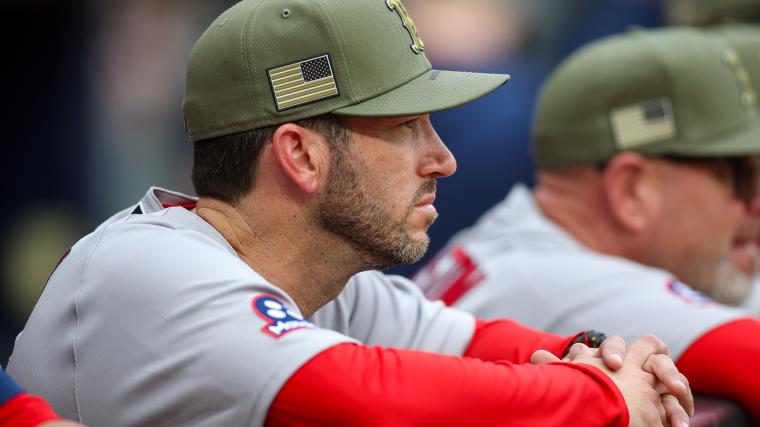
The Phantom Trait: Boston’s Red Sox, Regional Fandom, and the Scramble for Stability
POLICY WIRE — Boston, Massachusetts — The hunt for something indefinable, yet absolutely critical, haunts human endeavors. From the quiet desperation of a struggling startup to the...

POLICY WIRE — Boston, Massachusetts — The hunt for something indefinable, yet absolutely critical, haunts human endeavors. From the quiet desperation of a struggling startup to the complex machinations of geopolitical strategy, everyone’s searching for that elusive, singular trait. That magical element, once grasped, promises an enduring stretch of wins — and smooth sailing. It seems Boston’s venerated Red Sox — a franchise woven deep into the fabric of American sports lore — are now locked in just such a Sisyphean quest, and frankly, they’re coming up empty-handed.
It’s more than just baseball; it’s about momentum, expectation, and the brutal reality of sustained underperformance. Their current situation feels eerily like last year’s — only worse, much worse. A year ago, the team limped into June trailing four games below .500. Not exactly a strong start, was it? That period, often dubbed a “critical month,” prompted significant, sometimes drastic, changes: the club called up Roman Anthony and shipped Rafael Devers to the San Francisco Giants. Fast forward twelve months, — and Boston stares down June in an even bigger hole. They’re now sitting eight games below .500 — and cemented firmly in last place in the competitive AL East. [QUOTE_PLACEHOLDER]
The Red Sox are still searching for consistency. Honestly, it’s been like chasing a mirage all season. You look, you squint, you think you see it, then ȁmdash; poof ȁmdash; gone. Their longest winning streak? Just three games. They’ve managed to win back-to-back series only once this year, and that feels like a lifetime ago, way back in early April. It’s hard to watch. This team hasn’t just struggled on the road; they’ve turned their iconic home turf into something of an opponent’s playground. They’ve gone a dismal 9-19 at Fenway Park this year, according to figures reported originally on NESN. That’s not just bad, that’s a stark admission that something fundamental isn’t clicking where it matters most.
Because that’s gotta change. And it needs to happen fast this June if the Red Sox hold any hope of building momentum and, you know, playing more consistent baseball. The calendar shows that 15 of their 27 June games are at home, including nine of the first 15. Boston needs to maximize its home-field advantage against some tough opponents. Sixteen of those June contests are against divisional rivals, meaning they’ll face all four of their AL East opponents — including the formidable New York Yankees twice. Luckily, ten of those games are right there at Fenway, a fact that surely must offer a shred of hope, right?
But the psychological impact of such prolonged underperformance is, frankly, devastating. Think about it: entire regions, often national identities, become entwined with the success or failure of their athletic representatives. In Pakistan, for example, the performance of the national cricket team can sway the public mood almost as dramatically as parliamentary decisions. When the team struggles for consistency — for that “elusive key trait” that allows it to dominate — the passion and pride of millions can curdle into cynicism. Fans don’t just root for a squad; they invest emotion, hope, — and even a part of their collective self-image. For teams like the Red Sox or Pakistan’s XI, consistently failing to meet expectations erodes that trust. It creates an almost palpable sense of searching for a lost identity, an absent winning formula that, like an unseen shadow, constantly hangs over every pitch or over every election cycle, making every victory feel like a reprieve, every loss a reinforcement of dread.
📄 POLICY WIRE WHITEPAPER PUBLISHED: PAKISTAN'S NATIONAL SECURITY POLICY PRIORITIES
👉 READ BY CLICKING HEREJust like a policy platform that promises much but delivers little, the persistent lack of tangible wins leaves an opening for deep public discontent. It begs questions about strategy, about investment in talent, — and — most importantly — about leadership. When a franchise with the history and resources of the Red Sox can’t seem to find its footing, what message does that send? It suggests a deeper malaise, a systemic issue that isn’t going to be fixed by just wishing for better luck.
What This Means
A sports team’s floundering pursuit of consistency offers a surprisingly direct metaphor for challenges in public policy and economic stability. The Red Sox’s current predicament reflects a leadership struggle: can management — much like a government — effectively deploy its resources (players, budget) to achieve stated goals (wins, economic growth)? When the return on investment is low — as shown by their dismal home record — it highlights potential miscalculations in strategy, whether that’s team composition or legislative priorities. An administration facing declining public confidence might recognize parallels in the Fenway faithful’s disquiet. Their repeated failures to build sustained momentum speaks to the difficulty of implementing effective, long-term policy without constant course correction, and often, without public buy-in. It’s about more than just “getting wins”; it’s about demonstrating a clear vision, strategic agility, and an ability to respond to changing conditions — traits essential for both a contending baseball team and a resilient national economy. For anyone navigating the complex world of statecraft or economics, watching a storied institution struggle for a simple commodity like “consistency” is a stark reminder that even the mightiest can fall prey to the elusive nature of competitive advantage and the relentless pressures of performance.