

Soccer Diplomacy: USA, Senegal Scrimmage Reveals More Than Just Goal Scores
POLICY WIRE — Atlanta, Georgia — In a world fixated on rising geopolitical temperatures, the quiet thud of a soccer ball can, at times, echo louder than expected. You’d think a run-of-the-mill...

POLICY WIRE — Atlanta, Georgia — In a world fixated on rising geopolitical temperatures, the quiet thud of a soccer ball can, at times, echo louder than expected. You’d think a run-of-the-mill international friendly — say, the United States Men’s National Team locking horns with Senegal on an otherwise unremarkable Sunday afternoon in Atlanta — might escape the discerning eye of policymakers. But you’d be wrong. Even exhibitions carry freight, offering glimpses into national aspirations, economic heft, and the ever-shifting landscape of global soft power. Sometimes, it’s not just about the goals scored; it’s about the silent signals.
Take the narrative spun around Christian Pulisic, for instance. His celebrated breakthrough, after a period where he [QUOTE_PLACEHOLDER] and had [QUOTE_PLACEHOLDER] wasn’t merely a sporting redemption. It’s the kind of story American soccer fans – and perhaps, by extension, American policy-makers keen on projecting national success – eat up. A quick surge from a two-goal lead, driven by Pulisic’s initial assist and then his own clinical finish from a tight angle in the 20th minute, felt, for a fleeting moment, like a statement. A declaration of intent for the upcoming World Cup, yes. But also, a neat, digestible anecdote of American resilience, tailor-made for broader consumption.
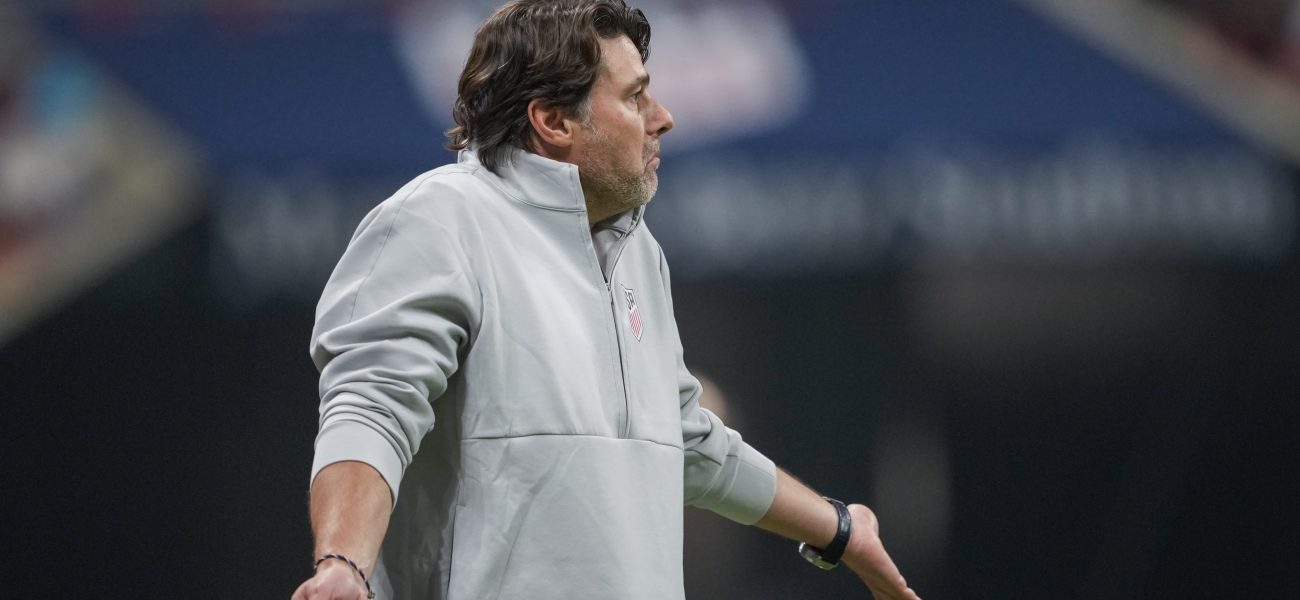
But we’re getting ahead of ourselves, there were a few surprises in the starting lineup, with presumed starters like Weston McKennie, Folarin Balogun, and [QUOTE_PLACEHOLDER] Matt Freese sidelined. Chris Richards [QUOTE_PLACEHOLDER] Yet, the makeshift squad clicked early. Ricardo Pepi, stepping into the void, was [QUOTE_PLACEHOLDER] Sergino Dest, [QUOTE_PLACEHOLDER] casually [QUOTE_PLACEHOLDER] It painted a picture of depth, sure, but also hinted at an internal competitive spirit, a dog-eat-dog struggle for spots that any seasoned political observer knows too well from parliamentary backrooms.
Then, Sadio Mane entered the chat—twice. The Senegalese superstar managed to [QUOTE_PLACEHOLDER] And then, following a mass substitution for the Americans, a [QUOTE_PLACEHOLDER] Mane went right back to work, managing to [QUOTE_PLACEHOLDER] It was a potent reminder, wasn’t it, that developing nations, even those whose footballing success stories are still fairly fresh, wield significant individual talent that can disrupt any established order. And that’s a lesson for more than just sports strategists.
The US eventually managed to [QUOTE_PLACEHOLDER] It provided a win, narrowly, but it did expose vulnerabilities. They say [QUOTE_PLACEHOLDER] Well, yeah. Because evaluating performance, whether on the pitch or the global stage, requires sustained observation, not just snapshot judgments.
📄 POLICY WIRE WHITEPAPER PUBLISHED: PAKISTAN'S NATIONAL SECURITY POLICY PRIORITIES
👉 READ BY CLICKING HEREFor South Asia and the broader Muslim world, matches featuring powerhouse African nations like Senegal are not mere entertainment. They’re a projection of what’s possible. They’re an inspiration. Senegal, a nation with a Muslim-majority population, its players often emanating from deeply religious backgrounds, provides a tangible example of how talent and determination from what’s sometimes termed the ‘Global South’ can ascend. It offers a counter-narrative to older, more staid sporting hierarchies. For countries like Pakistan, where cricket has traditionally overshadowed football, the ascendance of Muslim African stars on the world stage presents a compelling vision for youth, potentially redirecting aspirations and government investment toward a sport with universal appeal. The economic multiplier effect of such visibility, even from a friendly, shouldn’t be underestimated.
And FIFA’s recent reports confirm this growing trend: global viewership for matches involving African national teams increased by 15% in the last five years alone, signaling a palpable shift in audience interest and, consequently, commercial potential. This isn’t just about athletic prowess; it’s about shifting cultural gravitational centers.
What This Means
This match, a seemingly minor fixture, wasn’t just a shakedown for World Cup tactics; it was a mini-seminar in international relations. America, a global hegemon, tests its strength against a rising star from Africa. Senegal, a nation asserting itself not just politically but culturally through its sporting achievements, proves it’s not merely a sparring partner. They’re a legitimate contender. For the US, it’s about maintaining athletic credibility on a global stage where perceptions translate into influence. For Senegal, it’s a masterclass in soft power projection. When Mane—or any Senegalese player, really—scores, it’s not just a goal for the team; it’s a symbolic victory for a continent yearning for recognition beyond development aid. It showcases the vitality, the dynamism, and frankly, the unyielding talent that’s brewing in regions too often overlooked by Western media narratives. Expect to see more such high-stakes friendlies. They’re never just ‘friendly.’ They’re probes, messages, and subtle displays of competitive national character, echoing far beyond the stadium—into living rooms from Lahore to Lagos, whispering about what constitutes true power in the 21st century.