


Cricket’s Child Prodigy Admits Public Agitation Amidst IPL Millions: A Glimpse Behind the Glare
NEW DELHI, India — In a league renowned for its stratospheric sums and often manufactured heroics, it wasn’t the searing sixes or the audacious run chases that truly snagged the headlines this...

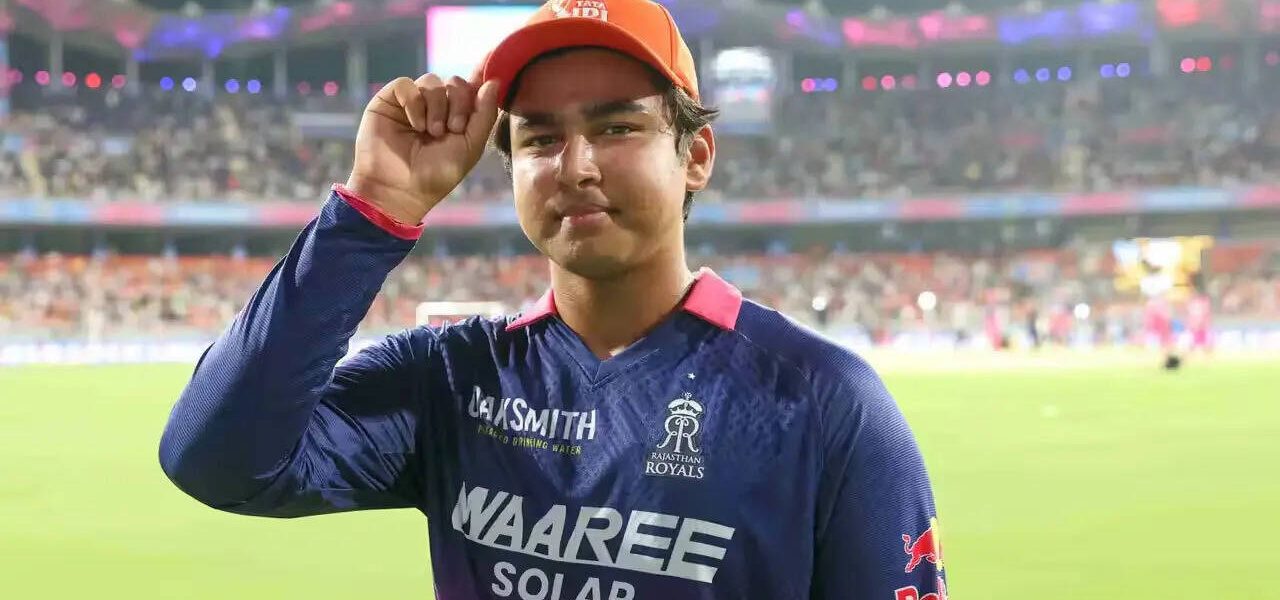
NEW DELHI, India — In a league renowned for its stratospheric sums and often manufactured heroics, it wasn’t the searing sixes or the audacious run chases that truly snagged the headlines this past week. No, it was a 15-year-old—a mere child, really—muttering a confession, a simple admission of nerves, that cut through the calculated spectacle of the Indian Premier League. The sport’s newest darling, Vaibhav Sooryavanshi, despite tearing apart opposition bowlers, found himself adrift when faced with a microphone. He stood there, an anomaly of unvarnished humanity amidst cricket’s glittering, billion-dollar machine.
It’s a peculiar irony, isn’t it? The sheer financial firepower of the IPL, an economic engine that churns out global stars and monumental broadcast deals, culminating not in a boardroom pronouncement but in a teenager’s candid public disclosure. As Royal Challengers Bengaluru lifted the trophy in Ahmedabad, marking another successful defense of their title, young Sooryavanshi—whose Rajasthan Royals team couldn’t quite make the final—was busy cornering the post-match awards. The cameras, the flashing lights, the roar of the crowd, all seemed to shrink before him. He was the Most Valuable Player of IPL 2026, a tag usually worn with a certain swagger, yet he admitted: “It feels good but I feel a bit under pressure having to give the interview,” drawing smiles from the audience. A refreshing crack in the facade, you could say.
And what a season it had been for the prodigious opener. He stacked up 776 runs over 16 innings, batting with a fearlessness usually reserved for much older, battle-hardened professionals. His average strike rate clocked in at a staggering 237.30, a figure documented by the IPL’s official records. That’s a batter essentially scoring two-and-a-half runs for every ball faced, consistently, through an entire tournament. He also bagged the Orange Cap as the highest run-scorer, eclipsing seasoned titans like Shubman Gill — and Sai Sudharsan.
Because he was knocking out boundaries with such relentless impunity—72 sixes across the competition—his name became the tournament’s whispered marvel. You’d think such a performance, in such a high-stakes environment, would create an unshakeable confidence, a kind of youthful hubris. But here we’re, facing the raw, almost uncomfortable, truth. For all his statistical domination, the presentation ceremony remained a gauntlet. It truly makes you wonder, doesn’t it, about the pressures these kids shoulder, the endless media circus even when the game is done.
His maturity, surprisingly, shone through in other moments. While reflecting on his meteoric rise, he articulated a clear, almost professorial understanding of the grind. [QUOTE_PLACEHOLDER] It’s a pragmatic outlook, one not often found in athletes decades older. But then, the machine of modern cricket extracts such wisdom early.
His haul of accolades wasn’t limited to the MVP nod. No, he swept up Emerging Player of the Season, Super Striker of the Season, — and Super Sixes of the Season. He really did dominate the conversation. Despite his team’s exit before the final, his solo virtuosity kept Rajasthan Royals in the thick of it almost till the very end. But still, the quote about being “under pressure” resonated, perhaps more deeply than any century or spectacular catch could. It showed the unadulterated vulnerability of a child performing on a global stage, proving that even amidst extraordinary talent, the simple act of public speaking can feel like facing a hostile fast bowler.
📄 POLICY WIRE WHITEPAPER PUBLISHED: PAKISTAN'S NATIONAL SECURITY POLICY PRIORITIES
👉 READ BY CLICKING HEREIt’s this duality, the incredible performance coupled with the ordinary apprehension, that speaks volumes. Because what we see here is not just the making of a cricketing superstar, but also a stark reminder of the sheer, often overwhelming, weight of expectation placed on incredibly young shoulders in an era of hyper-commercialized sports. He’s not just playing cricket; he’s a brand, a story, a financial commodity in the making. But beneath it all, he’s still figuring out how to answer the questions.
What This Means
This episode, seemingly minor, carries broader implications for sports economies and talent management across South Asia. The IPL is no longer just a domestic tournament; it’s an economic leviathan that commands global attention and dictates much of the cricketing world’s commercial rhythm. The emergence of a player like Sooryavanshi, developed within this ecosystem, underscores India’s unparalleled ability to discover, hone, and — critically — monetize raw cricketing talent.
For nations like Pakistan, where political tensions restrict their top-tier players from participating in this lucrative league, the spectacle presents a bittersweet dilemma. While Pakistani domestic leagues like the PSL offer platforms for development, they simply can’t compete with the IPL’s scale, financial rewards, or global visibility. Sooryavanshi’s journey becomes an aspirational, yet also perhaps frustrating, blueprint for young players in neighboring countries, highlighting a disparity in access to the game’s wealthiest pathways. And it points to a regional imbalance in sporting economic power, where one nation’s immense wealth-generating sports entity inadvertently casts a long shadow across its neighbors, intensifying debates over fair play, economic opportunity, and geopolitical realities.
The incident also hints at the evolving responsibilities for franchises — and sports governing bodies. It’s not just about player performance; it’s about mental well-being, media training, and protecting the developing personalities thrust into the unforgiving glare of fame and capital. This isn’t merely a game; it’s a colossal industry where human beings, especially young ones, become central products. And it reminds us that while the IPL rakes in immense sums, detailed Cricket’s New Old Money: The IPL’s Colossal Cash Payouts and Regional Ripples, the human element—fragile and authentic—is its true heart. Ignoring it means risking a lot more than just a bad interview.