

Shadow Accounts: What Soldiers Say, Amidst Gaza’s Unquiet Ceasefire
POLICY WIRE — Tel Aviv, Israel — Sometimes, the raw truth doesn’t trickle down through official channels or carefully worded press releases. It bursts forth, often unbidden, from the most...

POLICY WIRE — Tel Aviv, Israel — Sometimes, the raw truth doesn’t trickle down through official channels or carefully worded press releases. It bursts forth, often unbidden, from the most unlikely sources: those who were there, living through the very thing officials deny or minimize. We’re talking about soldiers. Their voices, once constrained by the iron grip of military protocols, seem to be finding cracks in the facade, offering glimpses into a Gaza conflict that refuses to settle, even under the supposed quiet of a truce.
It’s not just a rumour mill; it’s specific stories, a grim recounting of events from the front lines, suggesting that the fighting—and the killing—didn’t simply hit pause when the world thought it had. Think of it like this: a high-stakes chess match is declared over, but someone’s still moving pawns in the dark. That’s the vibe we’re getting from these rare, unsettling accounts surfacing from within the Israeli military ranks.
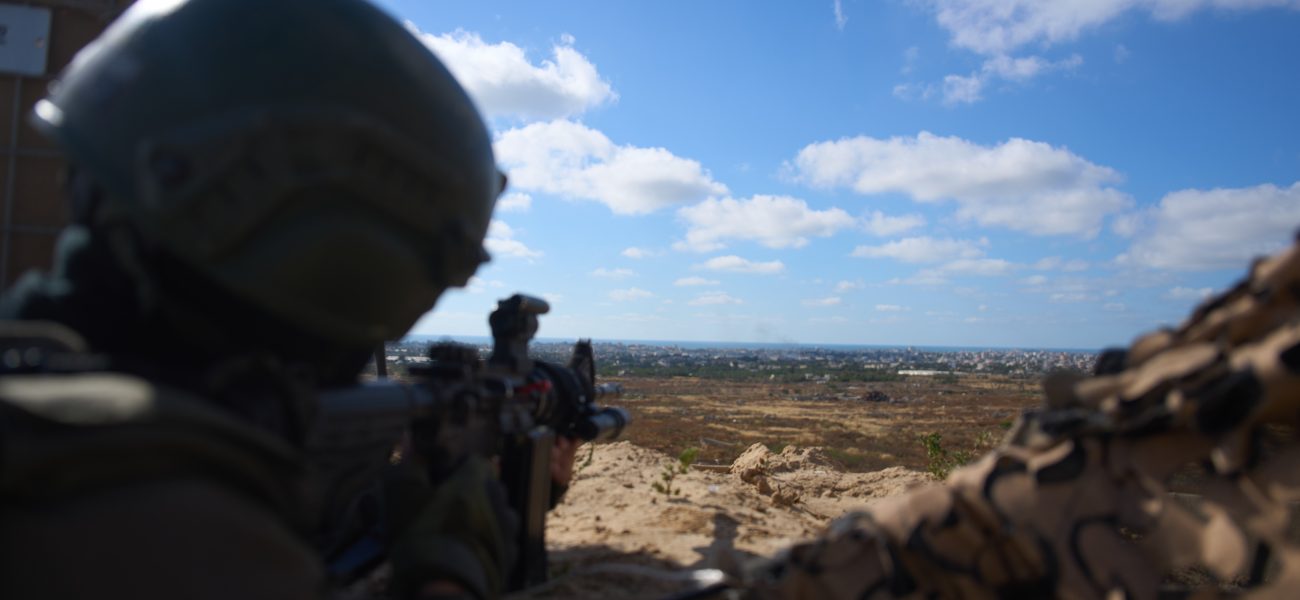
These soldiers, back from the Gaza Strip, they’re not holding press conferences, naturally. They’re reportedly sharing experiences amongst themselves, in quieter moments, painting a picture that sits uncomfortably beside any official ceasefire declaration. They speak of actions that simply continued, sometimes against targets of opportunity, sometimes under unclear pretexts. We hear mentions of [QUOTE_PLACEHOLDER] —a stark admission—and of specific moments where they believed [QUOTE_PLACEHOLDER], despite directives that should have dictated otherwise.
And it’s a hell of a thing to grapple with. On one hand, you’ve got the strategic necessity of operational silence. On the other, the deeply human urge to articulate what one has seen. But let’s be blunt: these are more than just stories told around a campfire. They’re bits — and pieces that, when stitched together, paint a very different canvas. One soldier reportedly spoke of [QUOTE_PLACEHOLDER] in residential areas. Another indicated that [QUOTE_PLACEHOLDER] didn’t always conform to the rules everyone else was being told.
Such narratives, whether fully corroborated or not, stir a certain kind of anxiety, don’t they? They poke holes in the carefully constructed global perceptions, forcing a reappraisal of what ‘ceasefire’ even means in a theater as fractured as Gaza. The human cost of this prolonged agony is staggering, after all. According to UN OCHA, over 37,000 Palestinians have reportedly been killed since October 7, 2023, the vast majority being civilians, including women and children. This isn’t just numbers on a page; it’s a catastrophe. And these emerging soldier accounts, they hint at ongoing additions to that grim tally.
📄 POLICY WIRE WHITEPAPER PUBLISHED: PAKISTAN'S NATIONAL SECURITY POLICY PRIORITIES
👉 READ BY CLICKING HEREThe geopolitical reverberations aren’t confined to the immediate vicinity, either. From the bustling streets of Karachi to the diplomatic halls of Islamabad, these allegations —even whispers of them—stoke an already fervent public discourse. Muslim-majority nations, already vocal about the immense human suffering, view such revelations through a lens of deepening mistrust. It’s not just about a cease-fire; it’s about perceived violations of international law, the moral calculus of war, and the credibility of those claiming to uphold it. Pakistan, for instance, has been a consistent and loud voice on the humanitarian crisis, reflecting widespread public anger over civilian deaths and displacement. Such stories from soldiers simply add fuel to an already raging fire of global condemnation and empathy, making diplomatic efforts an uphill battle.
But how does any institution manage the release of such sensitive, internally conflicting information? It’s a tightrope walk. You’ve got the narrative you project, the reality on the ground, and then the subjective, often harrowing, individual experiences. The gulf between these three can swallow reputations whole. It’s an internal pressure cooker, I’d say.
What This Means
These burgeoning accounts, anecdotal though they currently may be, aren’t just minor blemishes on a peace attempt. They’re a fundamental challenge to the veracity of official statements and the integrity of international efforts to de-escalate. Politically, if a pattern emerges, it shreds any lingering trust from external observers and potential mediators, particularly from nations that are already deeply skeptical. It empowers dissenting voices within domestic political spheres, those arguing against any negotiated settlement that isn’t seen as fully transparent or ethically sound. Economically, prolonged instability — fueled by a sense of deception or ongoing conflict — scares off investment, impedes humanitarian aid distribution, and stifles any hope for reconstruction. The humanitarian catastrophe intensifies, and the potential for a regional flare-up — drawing in non-state actors and rival powers — dramatically increases. It creates a vacuum of moral authority that no government, however strong, can afford in the long run. When soldiers return with these stories, you know, the truth isn’t just about official reports anymore. It’s personal, it’s visceral, — and it inevitably becomes political.