


The War’s Grinding Wheel: Kyiv Claims Upper Hand, Moscow Adjusts to a New Geo-Chessboard
POLICY WIRE — Kyiv, Ukraine — Forget the battlefield’s clamor for a moment. Ignore the drone strikes and artillery duels—the actual *noise* of war. The real fight right now? It’s about...

POLICY WIRE — Kyiv, Ukraine — Forget the battlefield’s clamor for a moment. Ignore the drone strikes and artillery duels—the actual *noise* of war. The real fight right now? It’s about narrative. It’s about perception, about who’s got the psychological edge when armies are bogged down, slogging through the muck. The whole idea of ‘initiative’ in modern conflict? It’s often as fluid as the mud beneath a conscript’s boot, shifting with every bomb — and every slick press statement.
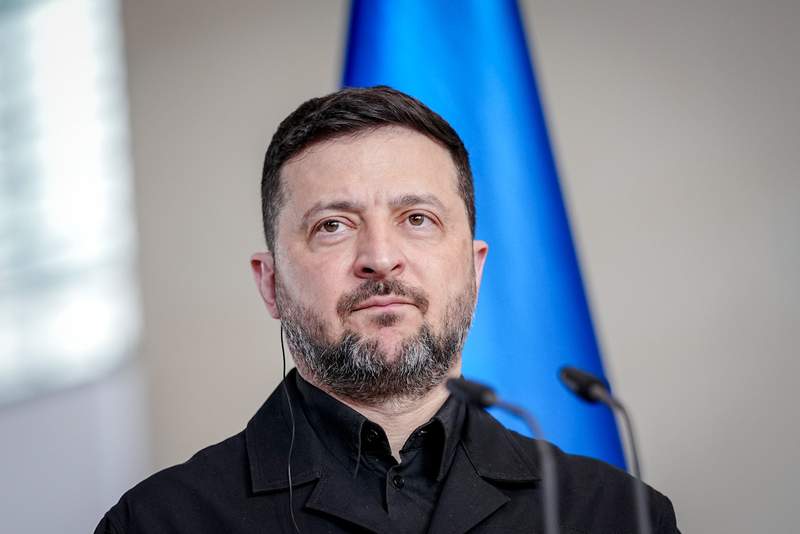
It’s within this shadowy, grinding contest that President Volodymyr Zelensky, ever the orator, let fly with a rather blunt assessment. Moscow’s big plays? “They’re getting predictable, worn out,” he reportedly quipped, his words slicing through the usual diplomatic niceties, suggesting Ukraine wasn’t just holding its own but actually reclaiming the battlefield’s tactical flow and, critically, the war’s psychological rhythm. A bold claim, perhaps. But after months of static lines, any sniff of progress becomes a headline.
The truth on the ground is, of course, far more messy than a politician’s soundbite. Russian forces, for all their Kremlin bluster, haven’t exactly been setting the world alight with grand offensives lately. Their attempts to push further often falter, incurring heavy losses, confirming what many military watchers have suspected for ages: Russia’s strategic depth isn’t what it once was. But initiative isn’t a permanent condition; it’s bought with blood, logistics, and sometimes—a good bluff.
“Initiative in war isn’t a fixed commodity; it’s purchased through relentless grinding, shrewd logistics, and frankly, a willingness to sustain appalling casualties for what often looks like minimal gain,” offered Dr. Anya Sharma, a seasoned geopolitical strategist at the European Council on Foreign Relations, commenting on the brutal, seesaw nature of modern front-line dynamics. It’s a point worth chewing on, especially as both sides dig in for a protracted, grueling fight. Nobody’s exactly sprinting across open fields here.
Because while Kyiv might feel a flicker of momentum, the Kremlin isn’t sitting idle. They’re not just throwing bodies into the meat grinder. No, Moscow is playing a far longer game, one stretching beyond Ukraine’s borders, into the labyrinthine world of global energy markets and shifting alliances. It’s an adjustment, really—a silent acknowledgment that the West isn’t folding. They’re making new friends, or rather, deepening old relationships, especially across Asia — and the Muslim world. Pakistan, for instance, a nation long tethered to Washington’s aid spigot, has quietly explored increased oil imports from Russia, part of a calculated hedge against its own energy woes. It’s a clear signal: for all the West’s solidarity, many nations aren’t signing up for economic self-harm to punish Russia.
This war, remember, isn’t happening in a vacuum. Russia’s military budget, already hypertrophied, reportedly swelled by over 70% in 2023, reaching an estimated $109 billion according to SIPRI data, gobbling up more than a third of state expenditure. That’s a staggering allocation, showcasing Moscow’s intent to out-spend and out-wait its adversaries, while simultaneously pivoting its diplomatic and economic might eastward. And it’s why even an erosion of battlefield initiative doesn’t translate directly to Russia packing up — and going home. Not yet, anyway.
📄 POLICY WIRE WHITEPAPER PUBLISHED: PAKISTAN'S NATIONAL SECURITY POLICY PRIORITIES
👉 READ BY CLICKING HEREThe international community, bless its heart, issues statements, imposes sanctions—all valid, necessary stuff. But the sheer logistical challenge of sustaining a large-scale war, the immense consumption of materiel, the constant pressure on supply lines? It’s relentless. Europe, meanwhile, continues to hold its breath over any uptick in hostilities around places like Zaporizhzhia. It’s an anxious kind of balance, an uneasy calm.
What This Means
Zelensky’s pronouncement isn’t just about morale, nor is it purely tactical. It’s a message, a carefully calibrated signal to Western partners that their continued aid is yielding results, that Ukraine isn’t just absorbing punches, but punching back. Economically, a perceived loss of initiative by Russia makes Western sanctions seem more potent, strengthening the resolve of capitals wary of a protracted, expensive conflict. It gives political cover to leaders still funneling billions into Kyiv’s coffers.
But there’s a flip side: the grinding nature of this conflict, the slow war of attrition, pushes Russia to consolidate its new geopolitical posture. As its economic ties with Europe fray, Moscow actively seeks deeper relationships with nations less aligned with Western democracies—think India, Iran, even parts of Latin America. This doesn’t just create new markets for Russian oil and gas; it establishes a parallel sphere of influence, fracturing the global order into increasingly distinct blocs. For countries like Pakistan, balancing between old Western allies and new Eastern opportunities becomes a more complicated, yet economically sensible, dance. It means that even if Russia loses tactical ground, it might still win the broader game of reordering the world’s power dynamics. And that’s a prospect few in Washington or Brussels have truly grappled with yet. It really isn’t about one battlefield. It’s about a whole new game.