

Gaza’s Uneasy Quiet: Soldier Accounts Undercut Official Calm Amidst Regional Alarm
POLICY WIRE — Tel Aviv/Gaza — The delicate façade of an agreed ‘pause’ or ‘ceasefire’ in Gaza has always been more porous than pundits often concede, a notion brutally...

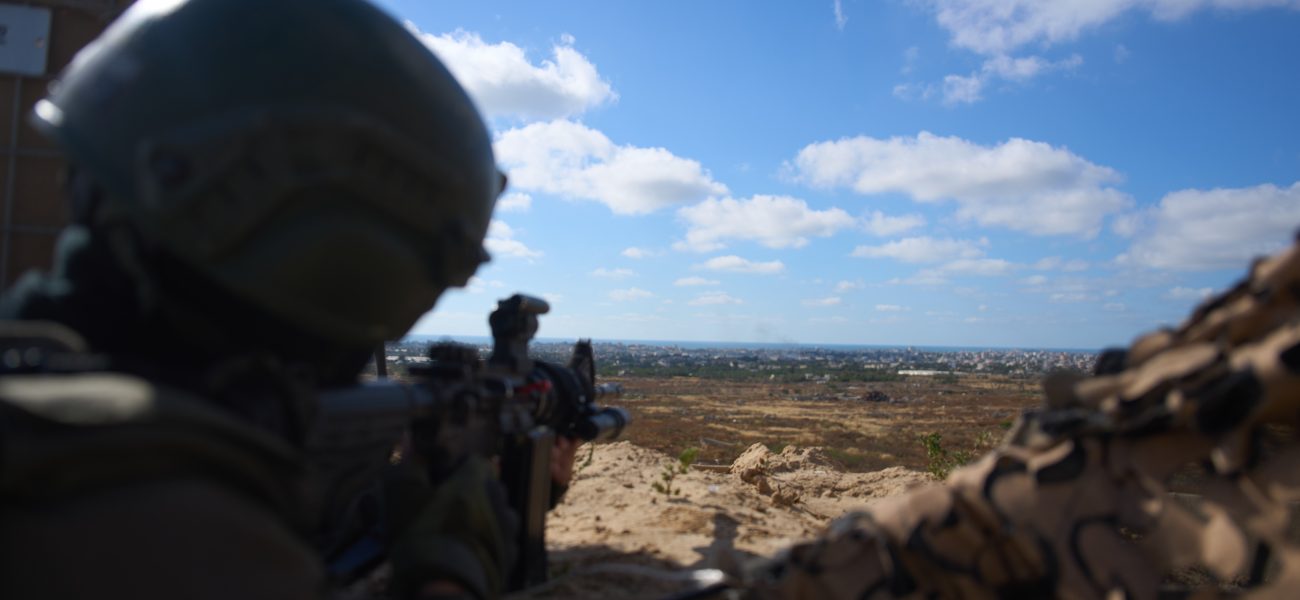
POLICY WIRE — Tel Aviv/Gaza — The delicate façade of an agreed ‘pause’ or ‘ceasefire’ in Gaza has always been more porous than pundits often concede, a notion brutally underscored by a trickle of frank admissions from Israeli soldiers fresh from the Strip. It wasn’t the roar of rockets or the rattle of machine-gun fire that first pierced the official calm; rather, it was the quiet, sometimes troubled, confessions from those on the ground that laid bare a starker, far messier picture of a conflict purportedly winding down. The war, it seems, just morphs, it doesn’t always stop. And sometimes, it just keeps on taking.
These aren’t the choreographed debriefs from a military spokesperson; no, these are raw, often off-the-record snippets – shared amongst comrades, recounted to weary family, or muttered into recorders by independent journalists – describing operations that don’t quite fit the neat parameters of a cessation of hostilities. Think mop-up patrols morphing into full-scale engagements, ‘self-defense’ exchanges that sound suspiciously like offensive thrusts, or even the unsettling discovery of enemy combatants (or suspected ones) long after official channels declared quiet. But, let’s be real, even during a technical ceasefire, an armed force is rarely entirely inert, especially in contested territory.
“Operational pauses are never truly absolute,” stated an Israeli Defense Forces (IDF) spokesperson, Major Oren Katz, in an uncharacteristically candid moment during a recent press briefing. “Our forces respond dynamically to residual threats, safeguarding personnel — and perimeter integrity. That’s just the nature of this fight; it’s a living thing.” His words, while not explicitly confirming continued ‘killings,’ certainly lend a tacit admission to ongoing friction points well beyond what the world might call peace. They aren’t pulling out the parade hats just yet.
The disclosures aren’t entirely surprising for those who’ve tracked similar conflicts where lines blur between active combat and peacekeeping. For the Israeli military, managing security threats, real or perceived, within and around Gaza remains a perpetual, thankless task. The accounts paint a picture of highly stressed young men grappling with immediate, visceral dangers, not always waiting for official decrees to distinguish hostile from non-hostile—a particularly brutal dilemma in a dense urban environment.
Because, frankly, these testimonies throw a spanner in the works of international diplomacy. The calls for de-escalation ring hollow when troops report maintaining an active, even aggressive, posture. This is a tough pill for the international community to swallow, especially those pushing for humanitarian aid access and sustainable peace. According to UNICEF, as of early June, over 30,000 children in Gaza have been diagnosed with severe malnutrition – a stark illustration of the civilian catastrophe that continues to unfold, peace agreement or not. (Source: UNICEF Gaza Situation Report, June 2024)
📄 POLICY WIRE WHITEPAPER PUBLISHED: PAKISTAN'S NATIONAL SECURITY POLICY PRIORITIES
👉 READ BY CLICKING HEREThese revelations reverberate far beyond the Levant, hitting hard in places like Islamabad. The constant barrage of reports—verified or not—detailing the grim realities of Gaza fuels outrage across Pakistan and the broader Muslim world. “The international community’s selective outrage, or worse, its utter paralysis, emboldens those who commit what can only be described as war crimes,” declared Pakistan’s Ambassador to the UN, Munir Akram, addressing a closed-door session last week. He didn’t mince words, painting a picture of escalating regional instability driven by what many perceive as unchecked Israeli aggression. The geopolitical scales feel permanently skewed to some in these nations; there’s a seething resentment brewing, and it doesn’t bode well for calm any time soon.
It’s not just the humanitarian tragedy, but the perceived impunity that chafes. Diplomatic efforts to secure a lasting cessation often falter precisely because the ground reality contradicts the rhetoric, making negotiations feel like a cynical dance. And that dance, folks, usually has severe consequences for civilians.
What This Means
This steady drip of soldier testimony, while not officially sanctioned, corrodes the trust required for any meaningful peace. Politically, it complicates efforts by allies like the United States to advocate for a ‘two-state solution’ or even secure consistent humanitarian corridors, making Washington look impotent, if not complicit, in the eyes of many. For Israel, it feeds into an image of a military apparatus operating without effective external oversight, inviting greater scrutiny from international bodies – though whether that scrutiny ever translates to concrete action remains a subject of weary debate. Economically, prolonged instability means greater allocation of resources to defense, diverting from other pressing national needs, while also deterring crucial foreign investment across the entire region, not just the conflict zones. Investors are not fond of unpredictability, nor should they be. And let’s not forget the enduring, deep-seated anger cultivated in the wider Islamic world—a sentiment that could potentially destabilize fragile alliances and empower extremist narratives. You can’t put a price tag on that kind of long-term strategic fallout. It creates a climate where every move is met with suspicion, every word weighed against unspoken realities. It’s an ugly cycle, — and there’s no sign of the churn slowing down.