


Diamonds & Dollars: LA Dodgers’ Multi-Million Dollar Pitching Conundrum Tests Global Game
POLICY WIRE — Los Angeles, United States — It isn’t always the grand slam that makes headlines, but the nagging strain, the pitching form momentarily lost to the cruel whims of a season, or the...

POLICY WIRE — Los Angeles, United States — It isn’t always the grand slam that makes headlines, but the nagging strain, the pitching form momentarily lost to the cruel whims of a season, or the multi-million-dollar arm that just won’t quite — you know — ‘get over the hump.’ Big-league baseball, particularly at the dizzying heights of the Los Angeles Dodgers’ payroll, operates on an entirely different ledger than your local community league. It’s an economy of raw talent, colossal investment, and excruciatingly thin margins, especially when those prized global assets suddenly look human.
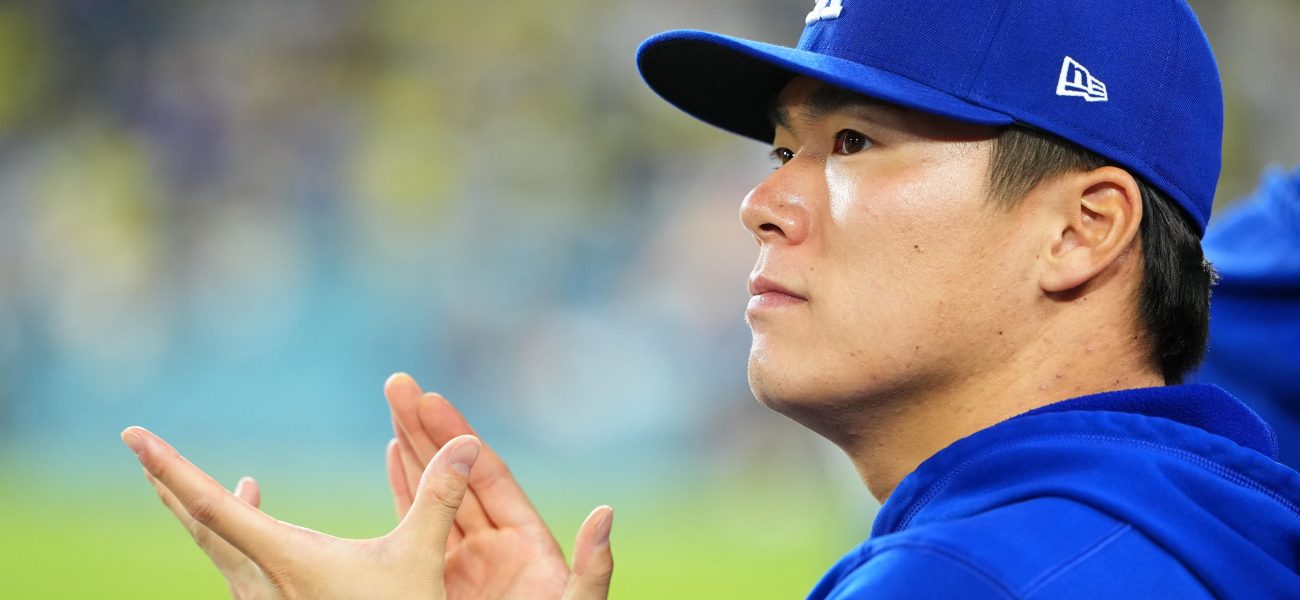
As the dust settles from their set against the Phillies, the Dodgers’ high-stakes pitching rotation feels less like a well-oiled machine and more like a speculative stock portfolio under intense scrutiny. Yoshinobu Yamamoto, a name that reverberates from Osaka to Oklahoma, finds himself staring down the barrel of consistency. After an initial four-start stumble earlier this season, marked by a 1-2 record and an uncomfortable 5.18 ERA from April 21 through May 12, the celebrated Japanese import had seemed to find his footing. He tossed seven innings, allowing runs against both the San Diego Padres and Milwaukee Brewers, indicating a return to what many considered his All-Star form.
But the true test comes not in recapturing past glories, but in conquering immediate threats. He’s up against a Phillies lineup that has, despite combining for six runs in the series, hammered three home runs. His kryptonite? The long ball. And the first inning. The numbers don’t lie, do they? Seven of the 22 earned runs he’s surrendered have come in that nerve-wracking opening frame. This isn’t just a minor statistical anomaly; it’s a strategic weakness for a team built to win it all, an Achilles heel potentially costing millions in postseason revenue.
And then there’s Kyle Schwarber, the Major League leader with a daunting 22 home runs, ready to pounce. Schwarber, memorably, took Yamamoto deep for a Statcast-projected 455-foot shot in the NLDS that was commemorated with a plaque. That’s not just a home run; it’s a physical, permanent reminder of a vulnerability etched into the landscape of a player’s narrative. Sonja Chen of MLB.com pointed out that limiting the long ball, especially early, will be Yamamoto’s biggest challenge.
Meanwhile, another Dodger arm, Tyler Glasnow, remains sidelined, stuck in a maddening holding pattern. Since being placed on the IL back on May 7, Glasnow hasn’t shown the recovery progress anyone’s itching to see. He can play catch, which, good for him. But per Fabian Ardaya of The Athletic, Dave Roberts, the Dodgers’ manager, confirmed that Glasnow just “hasn’t gotten over the hump” to ramp up his throwing progression beyond playing catch. It isn’t his back, apparently, but his arm isn’t letting him ‘let it rip.’
And while two pitchers navigate varying shades of concern, another Japanese sensation, Roki Sasaki, provided a flicker of hope. He, too, began the season on shaky ground but is showing gradual improvements. Despite an ill-fated eighth inning robbing him of a third straight win, he performed commendably against that dynamic Phillies offense, allowing only three hits, one run, and one walk while striking out seven across 5 1/3 innings. He even retired 13 hitters in a row after giving up a second-inning homer to Alec Bohm. Speaking with Kirsten Watson of SportsNet LA, Sasaki highlighted his evolving approach, saying, “My usage really depends on different hitters, but overall it’s going pretty well and the usage is pretty good. My fastball was really good. The velocity was there and I was able to execute the catcher’s calls.” This strategic adaptability—expanding one’s arsenal—is precisely what elite-level players must continually master to thrive.
📄 POLICY WIRE WHITEPAPER PUBLISHED: PAKISTAN'S NATIONAL SECURITY POLICY PRIORITIES
👉 READ BY CLICKING HEREWhat This Means
The Dodgers’ ongoing pitching saga isn’t merely about wins and losses; it’s a stark microcosm of the global sporting economy, where astronomical investments hinge on human fragility. The hundreds of millions poured into acquiring and retaining international talent like Yamamoto aren’t just player salaries; they’re strategic national assets in a cultural arms race, shaping narratives far beyond the ballpark. Japan’s consistently strong presence in MLB, especially with star pitchers, reinforces its soft power and showcases a robust talent development pipeline, providing an enviable template for other nations.
But the setbacks facing these prized acquisitions also illuminate a harsher truth: even the best-laid plans can crumble under the unpredictable weight of injury or form dips. This carries implications for nascent baseball programs in regions like Pakistan and other parts of South Asia or the Muslim world. While the dream of a Pakistani or Bangladeshi pitcher gracing an MLB mound remains largely a distant aspiration—cricket’s dominance there’s absolute, of course—the economic and cultural precedent set by East Asian stars provides a roadmap, however challenging, for any nation aiming to globalize its sporting output. Such aspirations demand not only natural talent but decades of infrastructure, coaching expertise, and sustained financial backing that often eclipses what these nations can currently muster.
The volatility we’re seeing in Los Angeles serves as a vivid reminder that success isn’t guaranteed, even with boundless resources. It forces executives to ponder risk management for athletic careers. Because when multi-million dollar arms start misfiring or land on the injured list, it’s not just a sporting loss. It’s an economic hit, a dent in national pride for the player’s home country, and a very public recalibration of expectations for an entire franchise.
These global currents—the chase for international talent, the delicate balance of investment and risk—are defining modern sports. For more on the complex interplay of sports and policy, see Policy Wire’s recent piece on Bengaluru’s Billion-Dollar Contenders, which explores similar themes in cricket’s rise. But this Dodgers drama? It’s not just a game; it’s a high-stakes, multinational economic experiment playing out on a baseball diamond, every single pitch holding financial weight and cultural expectation that transcends the score.