


IPL’s Throne: Shubman Gill’s Final Frontier Against an Unyielding Bengaluru Machine
POLICY WIRE — Ahmedabad, India — Forget the confetti and the glittering trophy for a moment. This isn’t merely about who hoists a cup; it’s a bare-knuckle brawl for narrative control, for...

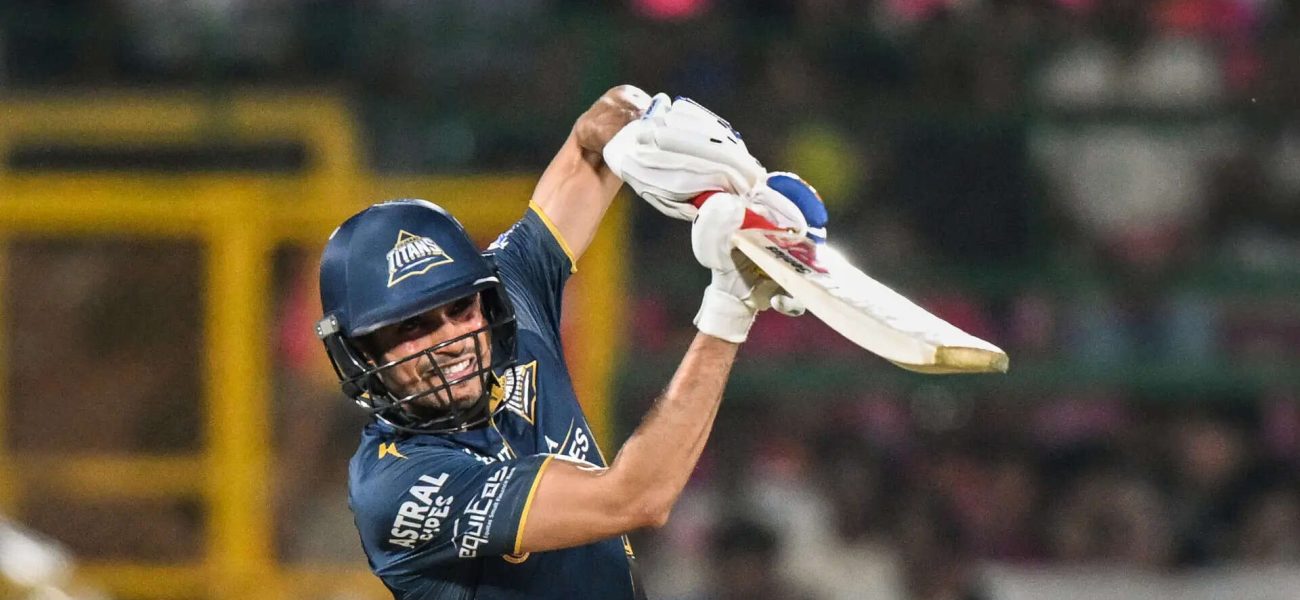
POLICY WIRE — Ahmedabad, India — Forget the confetti and the glittering trophy for a moment. This isn’t merely about who hoists a cup; it’s a bare-knuckle brawl for narrative control, for market share in the subcontinent’s emotional economy, and for one young man’s soul. Shubman Gill, Gujarat Titans’ prodigiously talented captain, finds himself at the nexus of all this, perched on the precipice of IPL glory, yet facing down an adversary that has, frankly, been a burr under his saddle for years: Royal Challengers Bengaluru.
It’s a strange kind of karma, isn’t it? The same team Gill sent packing in 2023 with a monstrous hundred now stands between him and outright sporting immortality. For all his swashbuckling heroics, his sheer run-accumulating swagger this season (more on that in a bit), RCB has been Gill’s particular cryptonite. You’d think a man who leads the Orange Cap chase (almost, anyway) would stroll onto any field like he owns the joint, but this specific match-up—well, it’s different. It’s a psychological chess match, played out in front of millions.
But make no mistake: the stakes here are immense, far beyond just runs — and wickets. “The IPL isn’t just sport; it’s an economic engine that generates billions and an emotional lifeline for millions across the subcontinent,” remarked Mr. Jay Shah, Secretary of the Board of Control for Cricket in India (BCCI), known for his pragmatic views on cricket’s commercial arm. “Leaders like Gill bear that collective hope, that aspiration for sporting supremacy that reverberates from Mumbai to Multan.” He’s not wrong. Every dot ball, every boundary, every dismissal translates into immediate spikes or troughs in viewership, advertising revenue, and public mood.
Because, you see, the IPL’s gravitational pull isn’t confined to India’s borders. Even without formal cricketing ties, the drama of this league commands eyeballs across Pakistan and the broader Muslim world, a testament to cricket’s cultural omnipresence. We’re talking shared screens in Lahore cafes, whispered score updates in Dhaka markets. Indian players become household names even when political currents run cold. Wasim Akram, the former Pakistani cricketing legend and now a widely respected commentator, doesn’t pull any punches either. “Every captain faces their personal demons. Gill’s got the talent, sure, but beating RCB in a final? That’s about conquering history, not just bowlers,” Akram quipped, his words cutting through the usual fanfare.
And history, unfortunately for Gill, hasn’t been a kind mistress when it comes to Bengaluru. Across 17 innings against them—including his early days with Kolkata Knight Riders—he’s averaged a rather pedestrian 28.21, a number starkly out of sync with his typical league-dominating statistics. His solitary half-century against them came, as mentioned, in that famous knockout game of ’23, a lone beacon in an otherwise murky sea of middling scores. His recent run against RCB? Not exactly confidence-boosting. This season alone, he’s faced them thrice, hitting 32, then 43 (a rapid knock in a GT win), and then a dismal 2 in Qualifier 1. Not a stretch to say RCB knows how to put the brakes on him.
Yet, context is everything. BCCI figures for the current season, which clock Gujarat Titans captain Shubman Gill’s batting at a formidable 722 runs in just 15 innings, paint a picture of relentless consistency, placing him second only to the phenom Vaibhav Sooryavanshi in the Orange Cap race. And the bloke’s got moxie, you’ve gotta give him that. After that two-run stumble in Qualifier 1, he walked into the pressure cooker of Qualifier 2 against Rajasthan Royals and absolutely exploded, smashing a breathtaking 104 off just 53 balls. That was the fastest century in IPL playoff history. Hell-for-leather stuff, really. It was a statement. He can do it under pressure.
📄 POLICY WIRE WHITEPAPER PUBLISHED: PAKISTAN'S NATIONAL SECURITY POLICY PRIORITIES
👉 READ BY CLICKING HERESo now, he stands again, at the threshold. Against a Bengaluru machine that, despite immense financial backing and a rabid fan base, has never clutched that elusive IPL trophy themselves. But what Gill has to conquer isn’t just their bowlers; it’s the ghost of his own past performances against them, the whispered doubts, the historical narrative that only this final performance can silence.
What This Means
The impending IPL 2026 final is a grandstand spectacle, yes, but it’s also a powerful geopolitical instrument. The success of a player like Shubman Gill isn’t merely a sporting triumph; it’s a potent symbol of India’s ascendancy in the global sports economy. Cricket, here, functions as a form of soft power, reinforcing cultural dominance and aspirational values across South Asia and beyond. For governments, it’s an undeniable distraction from more pressing policy woes, providing a unified national (or even regional) focus. Economically, this single game will generate staggering sums—from broadcast rights and digital viewership records to unprecedented sponsorship deals. Consider the youth; they’re not just watching; they’re consuming, influencing fashion, technology, — and brand loyalties. Politically, a successful season, crowned by a thrilling final, cements India’s role as cricket’s economic engine, attracting foreign investment into sports infrastructure and media, and perhaps even laying groundwork for more complex regional collaborations, however informal. This final isn’t just about bat and ball; it’s about a nation’s pulse, a continent’s passion, and a captain’s moment of truth.
This match is poised to be an emotional rollercoaster for fans — and a definitive chapter in Gill’s career. Can he shatter the lingering jinx? Can he silence the doubters — and carve his name onto the IPL trophy, forever changing his legacy against Bengaluru? Or will the RCB hoodoo claim one more victim? The cricketing world—and frankly, a fair chunk of the broader subcontinent—waits, utterly rapt.