


Berlin’s Cold Comfort: Iris-T Deployment Echoes Geopolitical Realignment, Far Beyond Kyiv
POLICY WIRE — Berlin, Germany — You gotta wonder, sometimes, if the ghost of Bismarck doesn’t chortle a little. Germany, long defined by its postwar aversion to anything resembling militarism—a...

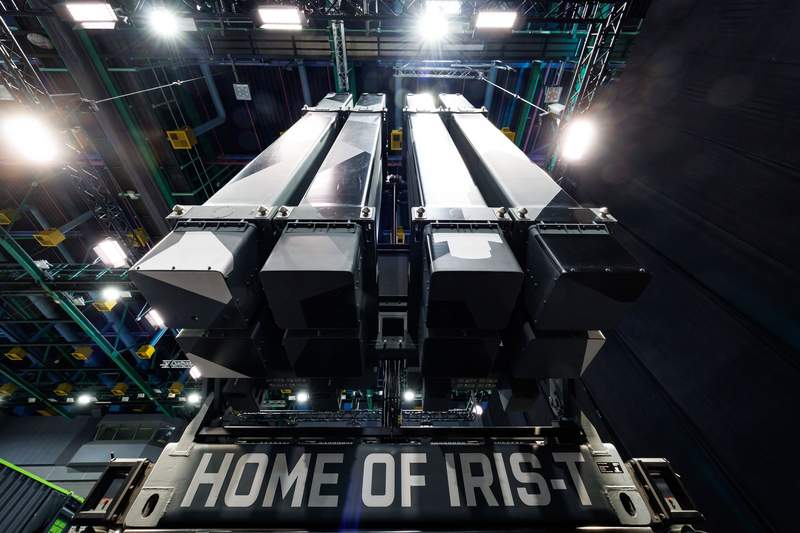
POLICY WIRE — Berlin, Germany — You gotta wonder, sometimes, if the ghost of Bismarck doesn’t chortle a little. Germany, long defined by its postwar aversion to anything resembling militarism—a national narrative meticulously crafted and rigorously maintained—is now becoming a prime purveyor of advanced weaponry to a hot conflict on its doorstep. The recent nod of appreciation from Ukrainian President Volodymyr Zelensky for another Iris-T air defence system launch pad, while ostensibly about defending skies over Kyiv, actually speaks volumes about Berlin’s sharp, if sometimes agonizing, lurch towards a more assertive global stance. It’s less about gratitude, more about geopolitical necessity, and the subtle, often unseen, ripple effects it creates across continents.
It wasn’t long ago that German policy, particularly regarding arms exports to conflict zones, was shrouded in a complex web of ethical deliberations and historical penance. But then tanks rolled into Ukraine, — and old certainties got blown to smithereens. Now, Berlin’s commitment to Ukraine’s defense has shifted gears. The Iris-T system isn’t some token gesture; it’s a piece of seriously sophisticated kit, designed to shoot hostile aircraft and cruise missiles right out of the sky. Its deployment isn’t just shielding Ukrainian civilians; it’s also a live-fire demonstration, an implicit marketing pitch, showcasing what Western tech can do when pushed to the limit. That’s a calculation Germany probably never wanted to make. [QUOTE_PLACEHOLDER]
And Zelensky? He’s playing the role of wartime leader with a producer’s knack for timing, extracting promises and hardware with remarkable persistence. His public acknowledgments aren’t just polite diplomatic niceties. They’re deliberate statements, strategically affirming Germany’s newfound, albeit often uncomfortable, position on the international stage. But it’s not all sunshine and gratitude. This escalation in aid—even these essential defensive assets—has spurred considerable debate within Germany. The economic pinch, the question of just how far intervention should go, these aren’t abstract worries; they’re daily fodder for op-eds and parliamentary squabbles. Yet, the consensus seems to hold, fueled by a visceral response to the conflict and a cold calculation that standing aside might, paradoxically, be far more costly in the long run.
These systems, these launch pads, they aren’t just sent — and forgotten. They require supply chains, maintenance, training, a constant feedback loop that deepens the military-industrial ties between nations. And every successful interception by an Iris-T system isn’t just a win for Kyiv; it’s also data, information that military planners and defense ministries around the globe, including those in capitals navigating their own regional tensions, are scrutinizing intently. Take Islamabad, for example, or Dhaka. These nations, always balancing their security needs against economic constraints and regional power plays—think China’s increasing regional assertion and India’s growing military might—are keenly watching how modern Western air defense performs. It affects procurement decisions, alliance considerations, and even the future direction of indigenous defense capabilities. Pakistan, for one, already fields a mix of Chinese, Western, — and some aging American air defense assets. The effectiveness of systems like Iris-T against current threats could very well influence their long-term strategic investments, pushing them towards newer, integrated Western platforms, or compelling their existing partners to step up their game.
Because the strategic chess board is never static. What happens in Ukraine, especially with advanced hardware deployments, sends signals everywhere. These signals are parsed, debated, and ultimately factor into the decisions made in chancelleries from Islamabad to Jakarta. It’s a harsh truth: conflict on one side of the globe often provides the ultimate testbed for defense tech that might someday protect entirely different populations, far away. This isn’t charity; it’s hard power projecting, refining its edge in a real-world scenario. The European Union, which collectively committed to over €85 billion in aid to Ukraine by February 2024, per figures released by the Kiel Institute for the World Economy, isn’t just showing solidarity; it’s demonstrating a renewed capacity for collective action and military deterrence that was unimaginable even just a few years ago. It’s a profound shift.
What This Means
This latest round of German military aid isn’t merely transactional; it signifies a deeper integration of Germany into a collective security architecture that’s hardening against perceived threats. Politically, it grants Berlin more leverage within NATO and the EU, repositioning it from a fiscally conservative but militarily reticent power to a key player in European defense. But this also means increasing domestic pressure on defense spending and procurement, which will inevitably ripple through Germany’s own industrial sectors. Economically, the Iris-T, manufactured by Diehl Defence, is a win for the German defense industry. Orders surge, research — and development gets funding, and the market for proven systems expands. This isn’t simply selling hardware; it’s solidifying Germany’s place in the global arms export hierarchy. Geopolitically, it serves as a robust message to Russia that Europe’s unity is not just rhetorical but backed by substantial military hardware, drawing clear lines. it accelerates the reassessment of military strategies in South Asia. Nations there are observing these dynamics, assessing the viability of Western military aid versus alternative sources. It could lead to a divergence in procurement choices—either closer alignment with Western defense standards and capabilities, or a stronger emphasis on self-reliance or different strategic partners—creating a fresh set of geopolitical complications in an already intricate region. It’s not just Ukraine getting air defense; it’s the entire international order recalibrating.